(ENG) Beyond the Bullet Train: 5 Hidden Stories That Reveal Nagoya's True Soul
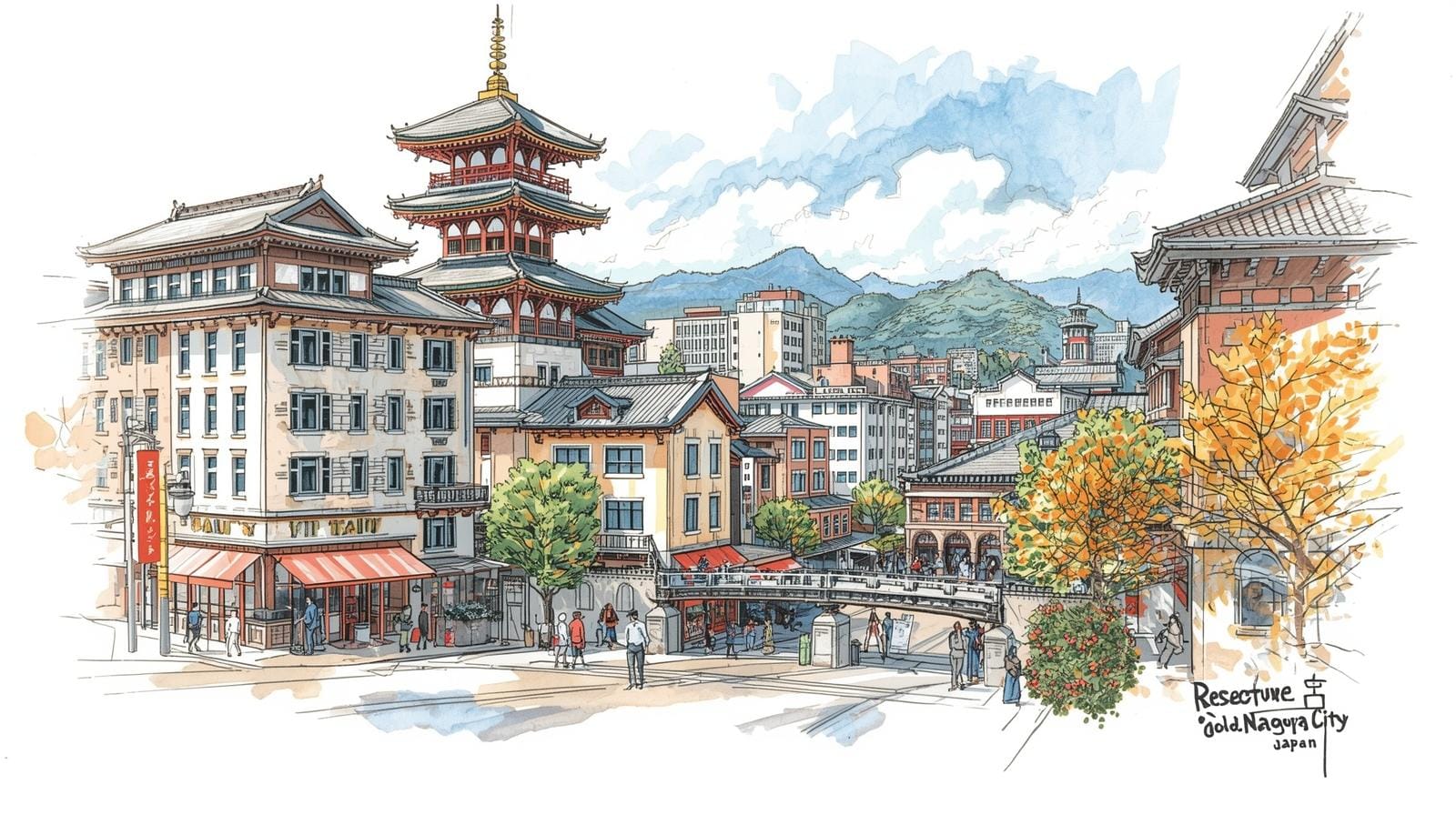
Nagoya. For many travelers, the name evokes the smooth efficiency of a Shinkansen platform—a functional, necessary stop on the way to the historic charms of Kyoto or the alpine beauty of Takayama. It is Japan's great "transit city," a place to pass through, not to explore.

Listen attentively to the fascinating stories of tourism history
The City in the Shadow
Nagoya. For many travelers, the name evokes the smooth efficiency of a Shinkansen platform—a functional, necessary stop on the way to the historic charms of Kyoto or the alpine beauty of Takayama. It is Japan's great "transit city," a place to pass through, not to explore.
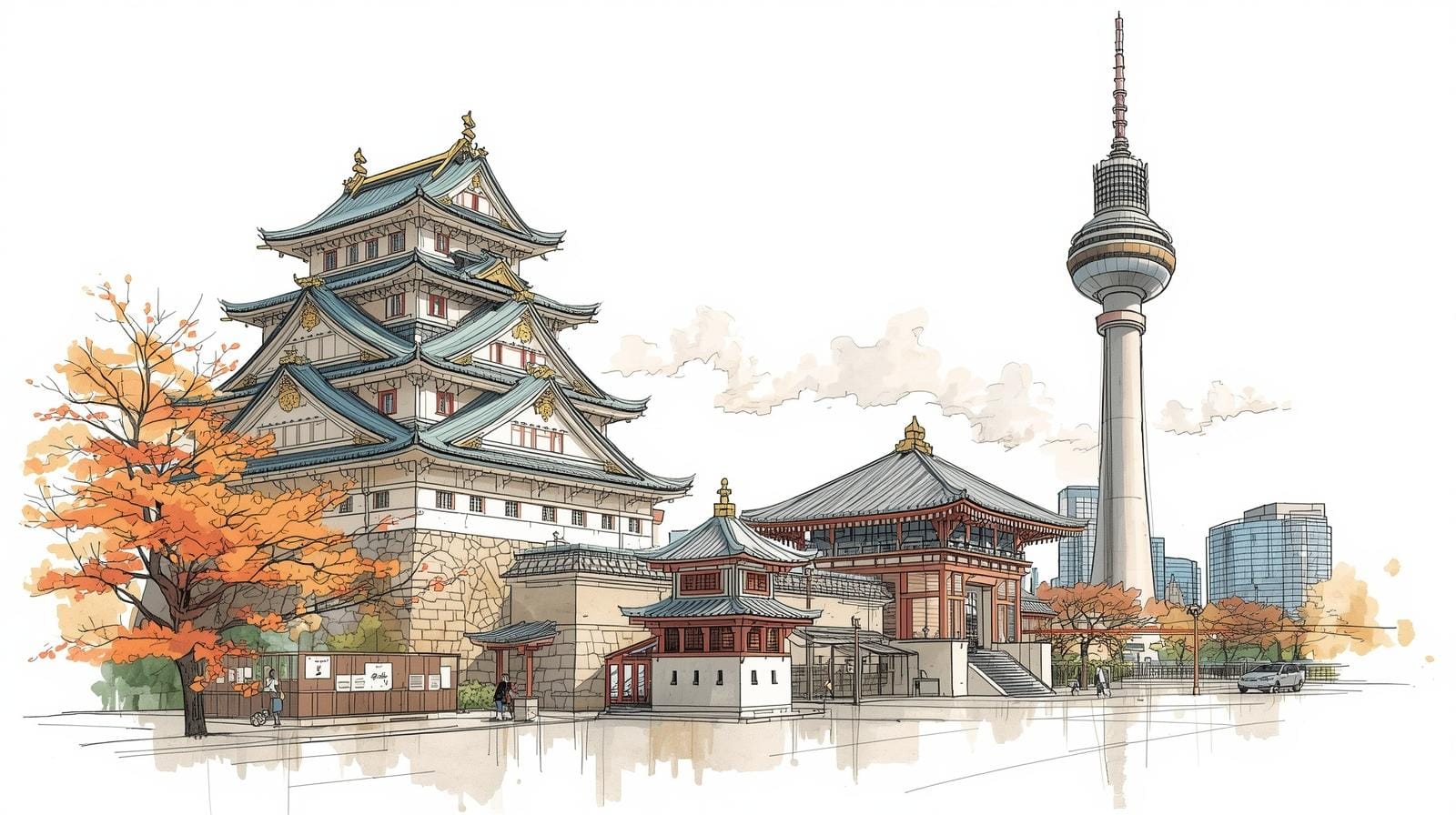
But to accept this label is to miss the whispers in the workshops of Arimatsu, the glint of lacquer in a shogun's dowry, and the ancient silence of the forest that guards a god's sword—all hidden just beneath the hum of the JR Central Towers. This article is your guide to five of these hidden stories, each one a key to unlocking the city’s true soul and redefining your perception of the city in the shadow.
The Artisan's Thread: Arimatsu’s 400-Year-Old Indigo Soul
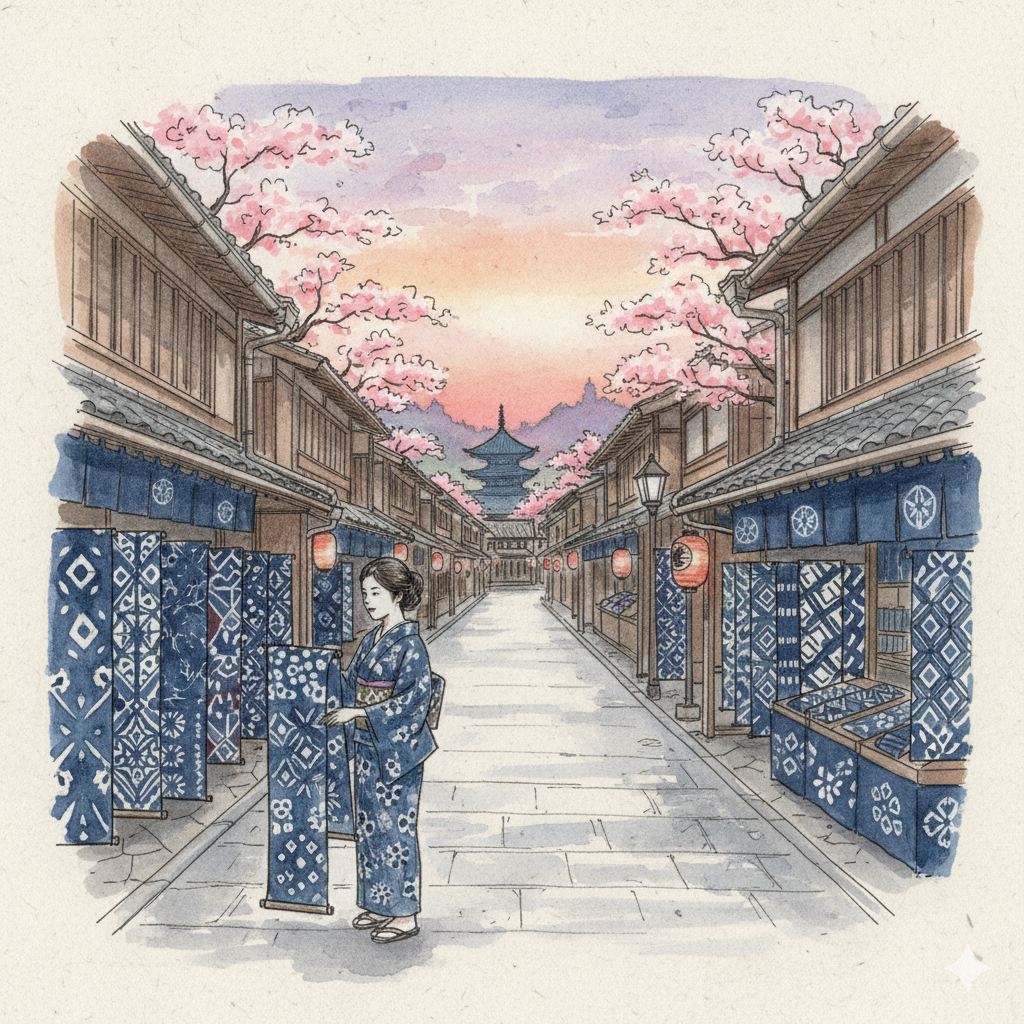
Step off the main thoroughfare and into Arimatsu, and you step into a pocket of time preserved from the Edo period. This historic district was once a bustling stop on the ancient Tōkaidō highway, the vital artery that connected the shogun's capital in Edo (Tokyo) with the emperor's court in Kyoto. Here, a singular craft took root thanks to the vision of a single entrepreneur, Shokuro Takeda. Recognizing the potential of combining the region's high-quality cotton with intricate dyeing techniques, he began producing beautiful tie-dyed hand towels (tenugui) for travelers, and a 400-year-old tradition was born.
This tradition, "Arimatsu Shibori," is not merely one technique, but an entire universe of artistry. It encompasses over one hundred unique and complex methods of binding, stitching, and folding cloth before dyeing, making it one of the most diverse and sophisticated tie-dyeing traditions in the world. The town itself tells a story of resilience; rebuilt after a devastating fire in 1784 with distinctive fire-proof plaster walls and tiled roofs, its streets are a living museum. In a world of mass production, Arimatsu is an embodiment of slow living and the enduring spirit of the artisan—a stark and beautiful contrast to the speed of modern life.
For a truly immersive experience, visit the Arimatsu Narumi Shibori Kaikan (Tie-Dyeing Museum) and then participate in a hands-on workshop. Here, you can feel the pulse of a 400-year-old tradition and create your own unique piece, a souvenir that carries the weight of history.
The Shogun's Dowry: A Princess's Trousseau That Became a National Treasure
History remembers the shoguns and their samurai, but the most compelling story at the Tokugawa Art Museum belongs not to a warrior, but to a princess and her dowry. When the young Chiyohime, daughter of the third Tokugawa shogun, was married into Nagoya's ruling Owari Tokugawa clan in the 17th century, she brought with her the National Treasure Hatsune wedding furniture.
A breathtaking masterpiece of lacquer and gold leaf, the trousseau is far more than a set of beautiful objects. It is a tangible symbol of a strategic political alliance between two of the country's most dominant clans. More importantly, in a history overwhelmingly dominated by the stories of male warriors, this artifact offers a rare and intimate glimpse into the immense wealth and private world of an elite woman in feudal Japan. This masterpiece of lacquer art shares its hallowed space with another National Treasure, the 12th-century Tale of Genji Scroll, cementing the museum as a sanctuary for Japan's most precious artistic heritage.
To fully step into this world of aristocratic elegance, combine your museum visit with a trip to the adjacent Shirotori Garden. Here, you can partake in a traditional tea ceremony in a serene setting, completing a journey from viewing the art of the elite to experiencing their refined pastimes.
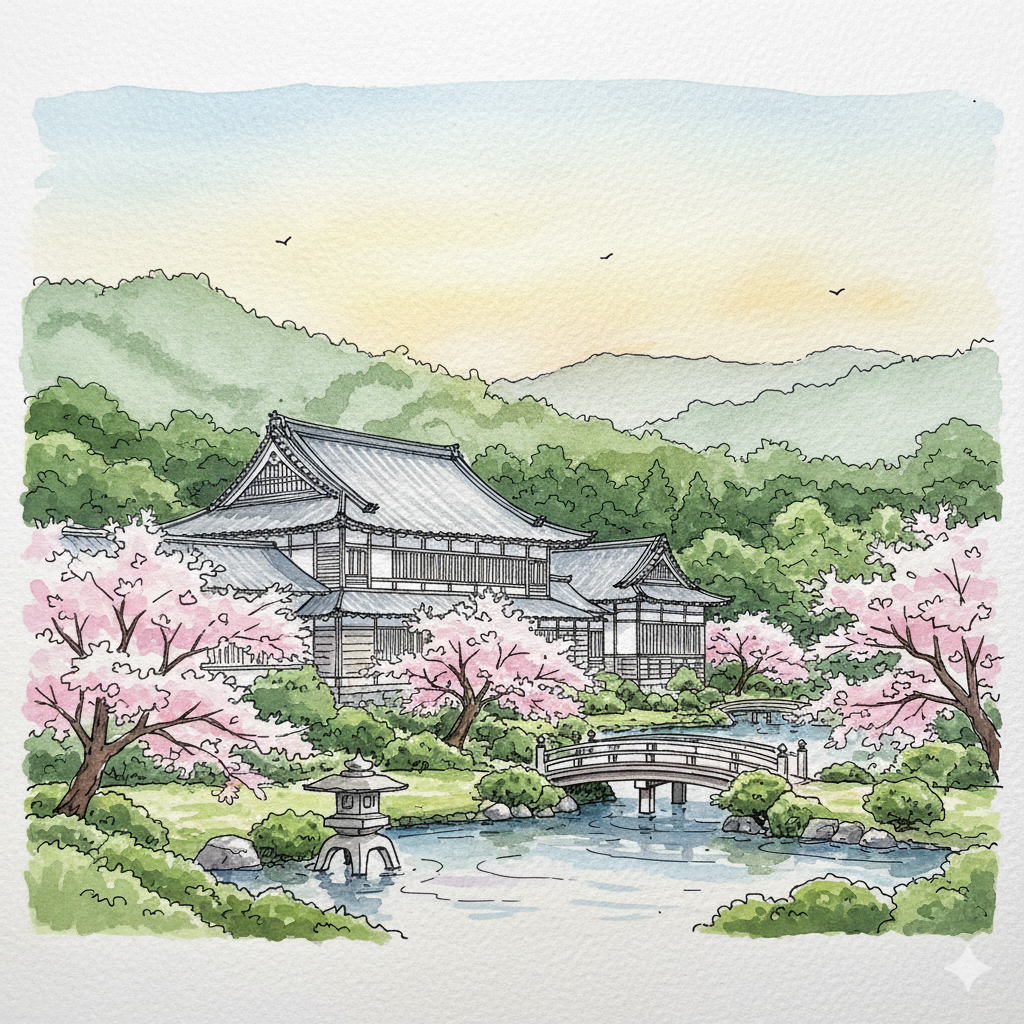
The Sacred Forest: How an Ancient Myth Forged a Modern Sanctuary
In the heart of Nagoya’s urban bustle lies Atsuta Shrine, a vast and tranquil "urban forest bath." Covering 200,000 square meters, this sanctuary of towering, ancient trees offers a profound escape, a place where the sounds of the city are replaced by the rustling of leaves and the quiet reverence of history.
But this sprawling forest exists to form a natural sanctuary worthy of a divine object. The shrine was originally built nearly two millennia ago to house one of Japan's three Imperial Regalia—the sacred and legendary sword, Kusanagi no Tsurugi. As the eternal guardian of an object central to the nation's founding mythology, Atsuta Shrine holds immense spiritual significance. The connection between its myth and its reality is what makes it truly remarkable.
"The most remarkable story of Atsuta is not just the legend it holds, but the forest it created. To protect a sacred, unseen sword, a sprawling primeval forest was allowed to thrive untouched for centuries, becoming one of Nagoya's most vital green lungs. Here, ancient belief has become a modern ecological miracle."
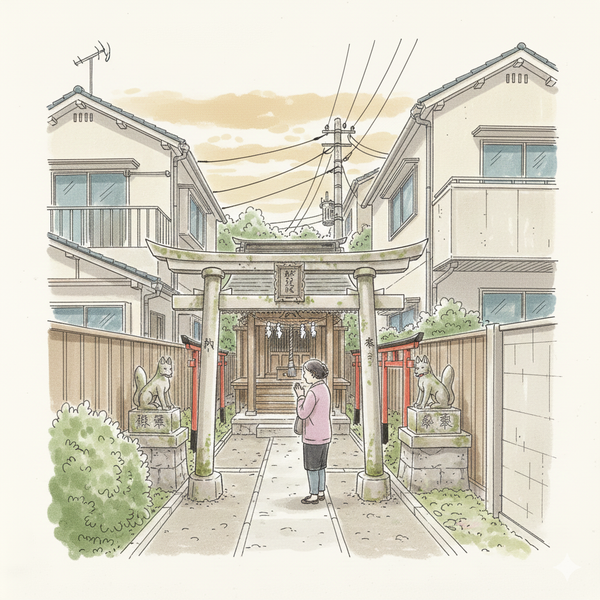
Go beyond the main shrine building. Take the time to wander the quieter, lesser-known paths that wind through the forest. You will discover dozens of smaller, hidden shrines, each with its own tranquil atmosphere, allowing you to find a personal 'power spot' away from the crowds.
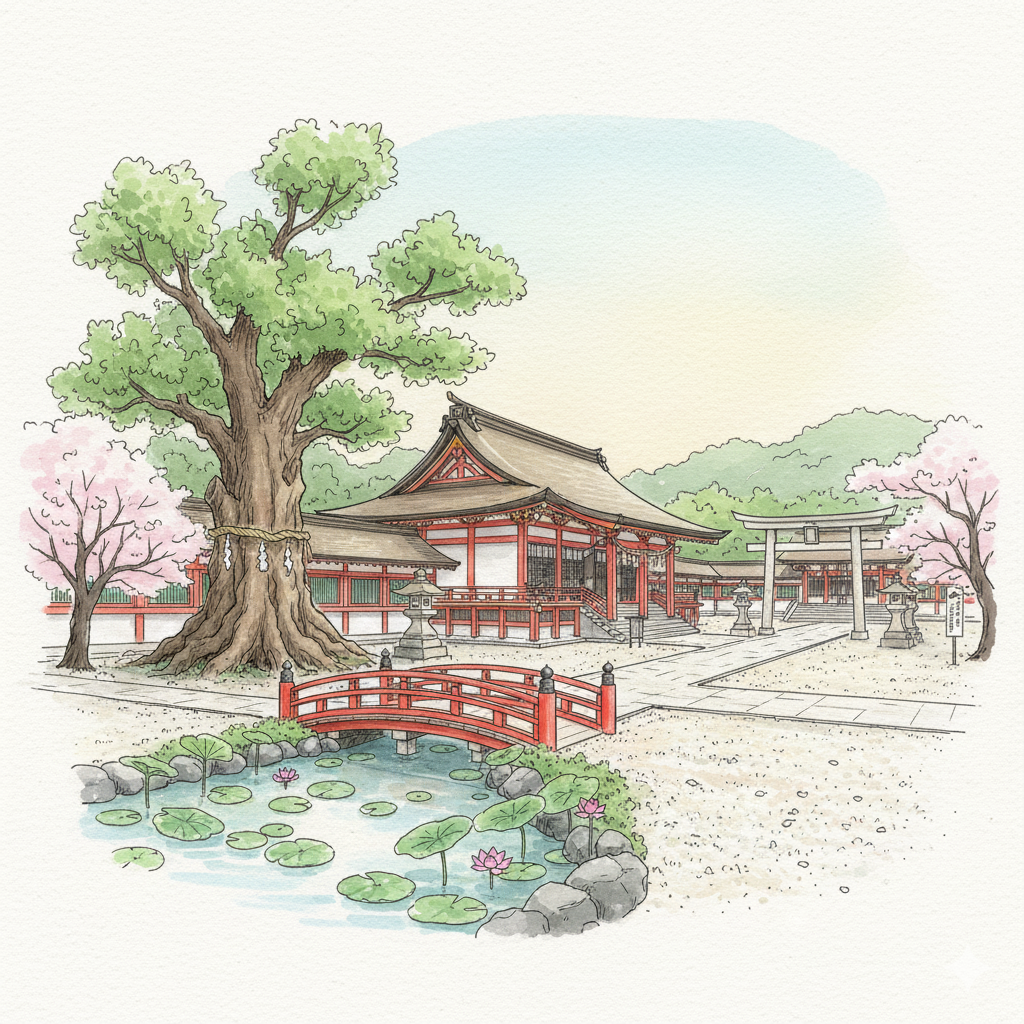
The Porcelain Dream: How Nagoya Reinvented the World's Dinner Table
Noritake Garden tells a quintessentially modern Japanese story: one of ambitious craftsmanship, relentless innovation, and global vision. It began in 1904 with the bold dream of its founder, Morimura Ichizaemon, to create porcelain in Japan that could rival—and even surpass—the finest china produced in Europe. After years of tireless research and experimentation in the company’s new red-brick factories, they achieved a breakthrough. In 1914, they produced Japan's very first Western-style dinner set.
Marketed to the world as "Noritake China," the brand was an immediate success, becoming a celebrated global symbol of quality that fused Eastern craftsmanship with Western aesthetics. This story perfectly captures Japan's "Monozukuri" (masterful manufacturing) spirit and chronicles the nation's journey from a technical imitator to a world leader in design and industry. Today, Noritake Garden is a beautiful cultural park where the original factory buildings stand as monuments to this industrial heritage, their pathways becoming especially romantic when illuminated at night.
To fully appreciate the Noritake journey, watch the master artisans demonstrate their craft, from molding to hand-painting. Then, join a workshop to paint your own piece before dining at the elegant on-site French restaurant, where your meal is served on exquisite Noritake tableware, beautifully completing the 'production-to-consumption' story.
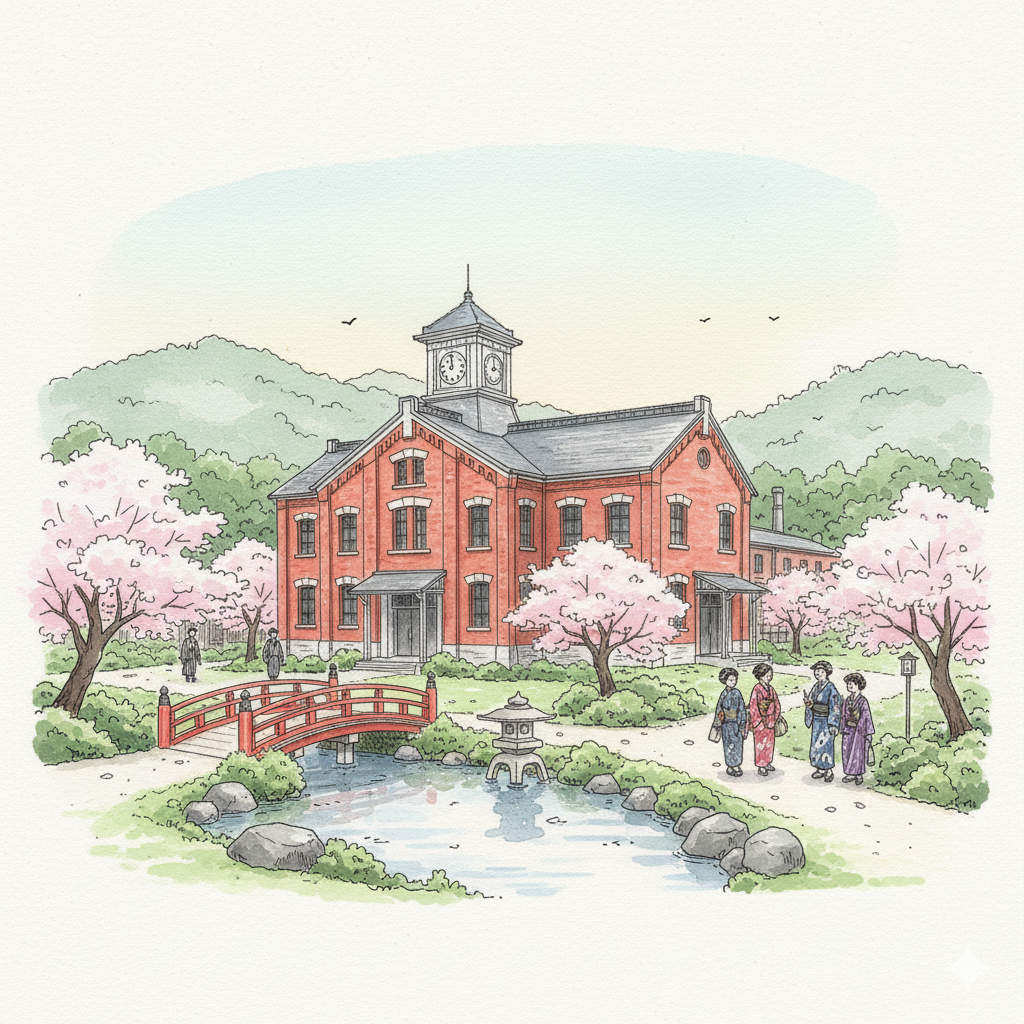
The Flavor Feud: The Delicious Controversy Behind Nagoya’s Soul Food
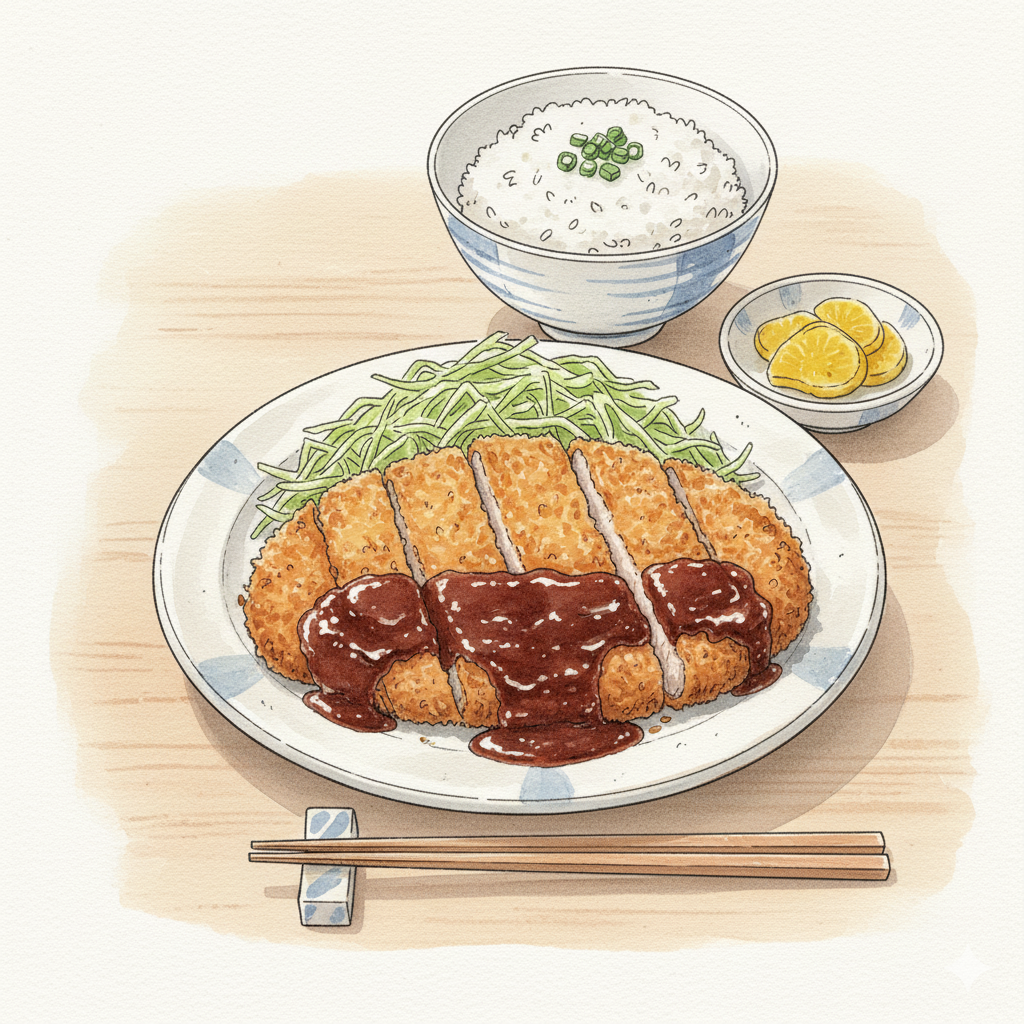
Every city has a signature dish, but few are defended with as much passion as Nagoya's Miso Katsu. This is the city's ultimate comfort food: a perfectly crispy fried pork cutlet, drenched in a rich, dark red miso sauce. The pairing is a kind of chemical inevitability. The local red mame miso is less sweet and more robust than its lighter cousins; it withstands heat better and has properties that enhance the umami of fats, making it the perfect partner for fried pork.
But the story of Miso Katsu is not a simple recipe; it’s a delicious controversy. To understand this culinary mystery, one must examine the evidence presented by three rival camps:
- The Post-War Stall Theory: The dish evolved organically in the food stalls of post-war Nagoya, where diners started dipping fried skewers into pots of red miso stew. Famous modern shops like Yabaton are seen as inheritors of this humble, street-food tradition.
- The Regional Evolution Theory: Some argue that the pairing is so perfect that chefs all across the Tōkai region likely invented it independently, making it a product of regional terroir, not a single shop.
- The Surprise Challenger Theory: A long-standing restaurant in the neighboring city of Tsu throws a wrench in the works, publicly claiming that they invented the dish first.
This friendly feud isn't a sign of confusion, but of love. It proves just how deeply people care about this dish and its place in their culture.
Don't just eat Miso Katsu—investigate it. Embark on a 'culinary pilgrimage' to compare the versions at different famous shops. Start with a classic Nagoya spot and, if you're truly adventurous, travel to the claimant in Tsu. Decide for yourself which origin story—and which flavor—is the most convincing.
Finding the Story in the Stones
Nagoya teaches a vital lesson: the soul of a city is rarely found in the spotlight, but in the stories that flourish in its shadows. Once you learn to see them, the city in the shadow is a city of shadows no more. What profound tales, then, are waiting in the next place we’ve been told to simply pass through?
Work cited:
《名古屋自由行》名古屋一日遊必去22大景點,近郊秘境輕鬆玩, accessed October 6, 2025
Hidden gems in Nagoya : r/JapanTravelTips - Reddit, accessed October 6, 2025
Nagoya: Japan's Best Kept Secret?, accessed October 6, 2025
美術館「德川美術館展覽:尾張德川家族的寶藏」先生/女士| VISIT ..., accessed October 6, 2025
Noritake Garden | MONOZUKURI Story | Welcome to the SHORYUDO, accessed October 6, 2025
Fun Things That Prove Nagoya is NOT Boring! - This Way to Japan, accessed October 6, 2025
Explore Arimatsu : The Home of Traditional Shibori Tie-Dyeing ..., accessed October 6, 2025
【名古屋めし】絶品「味噌カツ」の歴史は?金シャチ横丁限定の豪華メニューも紹介!, accessed October 6, 2025
おもてなし茶席 | 茶室 清羽亭 | 白鳥庭園|名古屋市熱田区, accessed October 6, 2025
名古屋めしの代表格・味噌カツに“三重県津市の店が発祥説” 老舗洋食店のシェフ「自分が作ったメニュー」 | 東海テレビNEWS, accessed October 6, 2025
名古屋めしの代表格・味噌カツに“三重県津市の店が発祥説” 老舗洋食店のシェフ「自分が作ったメニュー」 - YouTube, accessed October 6, 2025
Nagoya secrets? - Reddit, accessed October 6, 2025
Listen attentively to the fascinating stories of tourism history