(ENG) After 70 Years, Hong Kong's Forbidden 'Time Capsule' Is Opening. Here Are Its 5 Most Incredible Secrets.
The five secrets of the borderlands reveal a truth long obscured by Hong Kong's urban narrative: that its identity is as deeply rooted in these quiet, resilient peripheries as it is in its bustling city center. The long isolation of the Frontier Closed Area created a unique historical...

The City's Forgotten Edge
Listen attentively to the historical stories told in detail
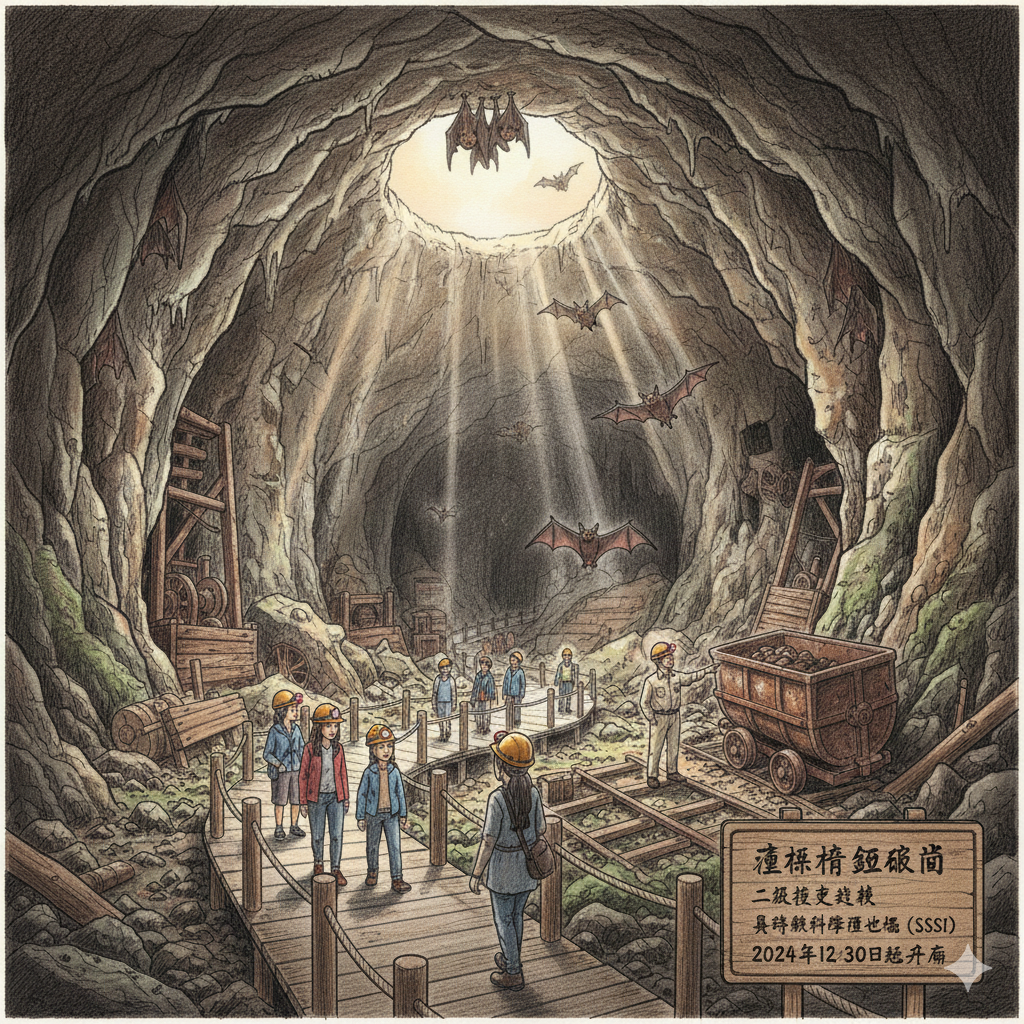
When one thinks of Hong Kong, images of a hyper-modern metropolis—a vertical city of neon-drenched skyscrapers and bustling financial hubs—immediately come to mind. Yet, tucked away on its northernmost frontier, a vast territory has remained sealed off from the world, an accidental "time capsule" created by the geopolitical tensions of a bygone era. For over 70 years, the Frontier Closed Area (FCA) preserved a unique slice of Hong Kong's history, culture, and nature, shielding it from the relentless pace of development.
Now, as this once-forbidden zone gradually reopens, it is beginning to share its long-held secrets. The stories emerging from this forgotten edge are not just historical footnotes; they are profound narratives of conflict, resilience, and transformation. Here are the five most incredible secrets being revealed as the gates to this hidden Hong Kong swing open.
The Watchtower on the Hill: From Cold War Fear to a Hiker's Reward
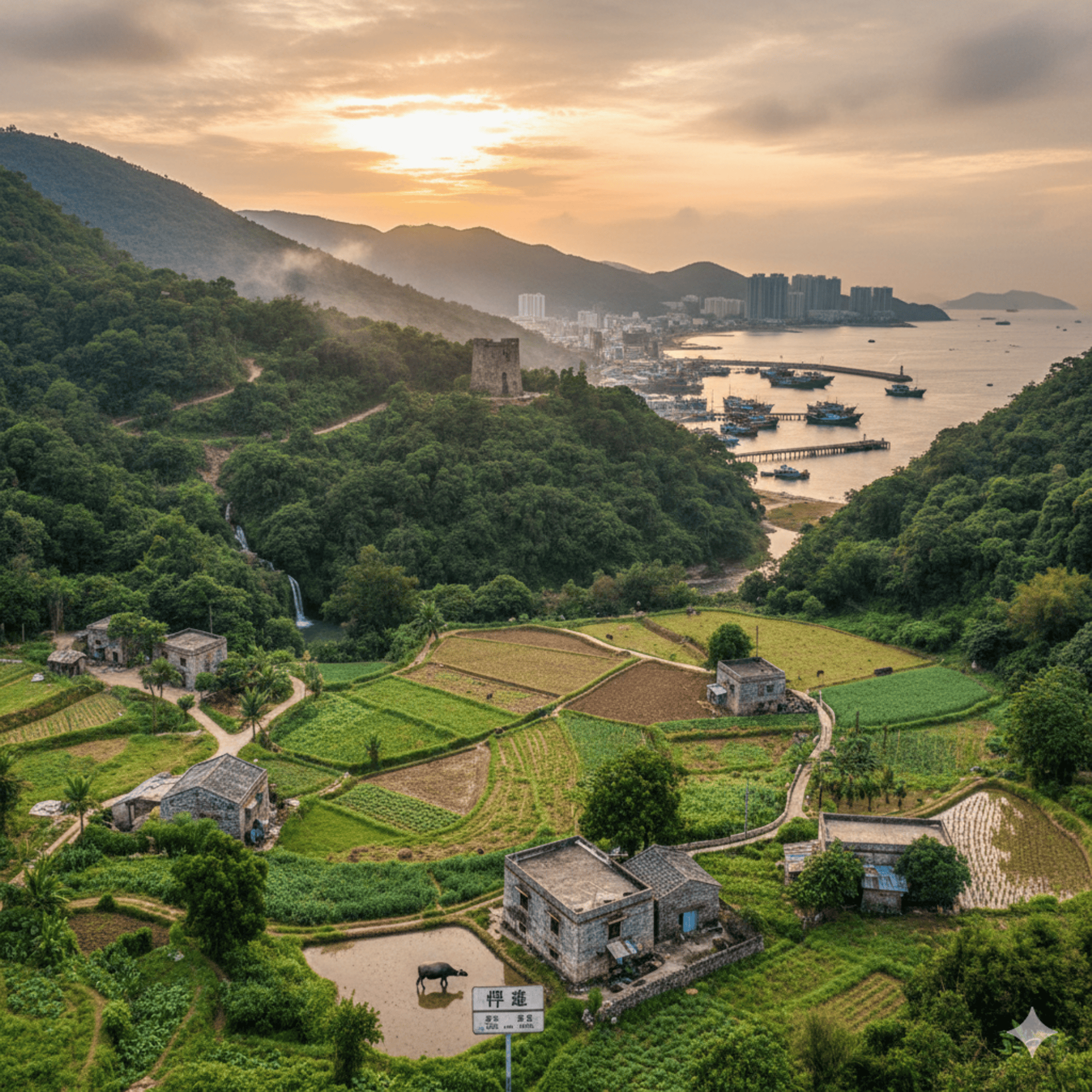
During the Cold War, the border between Hong Kong and mainland China was a line of palpable tension. The conclusion of the Chinese Civil War created an atmosphere of uncertainty, prompting the colonial government to establish a tightly controlled buffer zone. High on the windswept slope of Red Flower Ridge (紅花嶺), the stark, octagonal silhouette of the MacIntosh Fort still stands guard, a stoic relic of this nervous past.
Built in the late 1940s and early 1950s, these forts were more than just defensive posts; they were self-sufficient surveillance outposts designed for long-term observation. The one on Red Flower Ridge, now a Grade II historic building, is a powerful testament to this era. But here lies the story's twist: though the hiking trail now leads you to its doorstep, the fort itself remains a sealed piece of history. Painted green, its main gate locked, it is still guarded by police officers, viewable only from the outside.
The fort's meaning has undergone a profound transformation. This structure, once a symbol of fear and separation, has become a landmark of exploration and historical reflection. The reward isn't entry, but perspective. You can now stand freely where guards once stood watch, gazing across a landscape they were tasked to seal. It is a place where you can feel the softened, yet still present, boundary between past and present, access and prohibition.
A Cold War military fortress, once a symbol of a sealed border, is now the ultimate destination for a historical hike, offering a unique window into Hong Kong's geopolitical past—from the outside looking in.
From this silent military guardian, we descend into the earth to uncover a story of industrial ruin and remarkable redemption.
The Black Gold of Lin Ma Hang: Where War, Bats, and Nature Collide
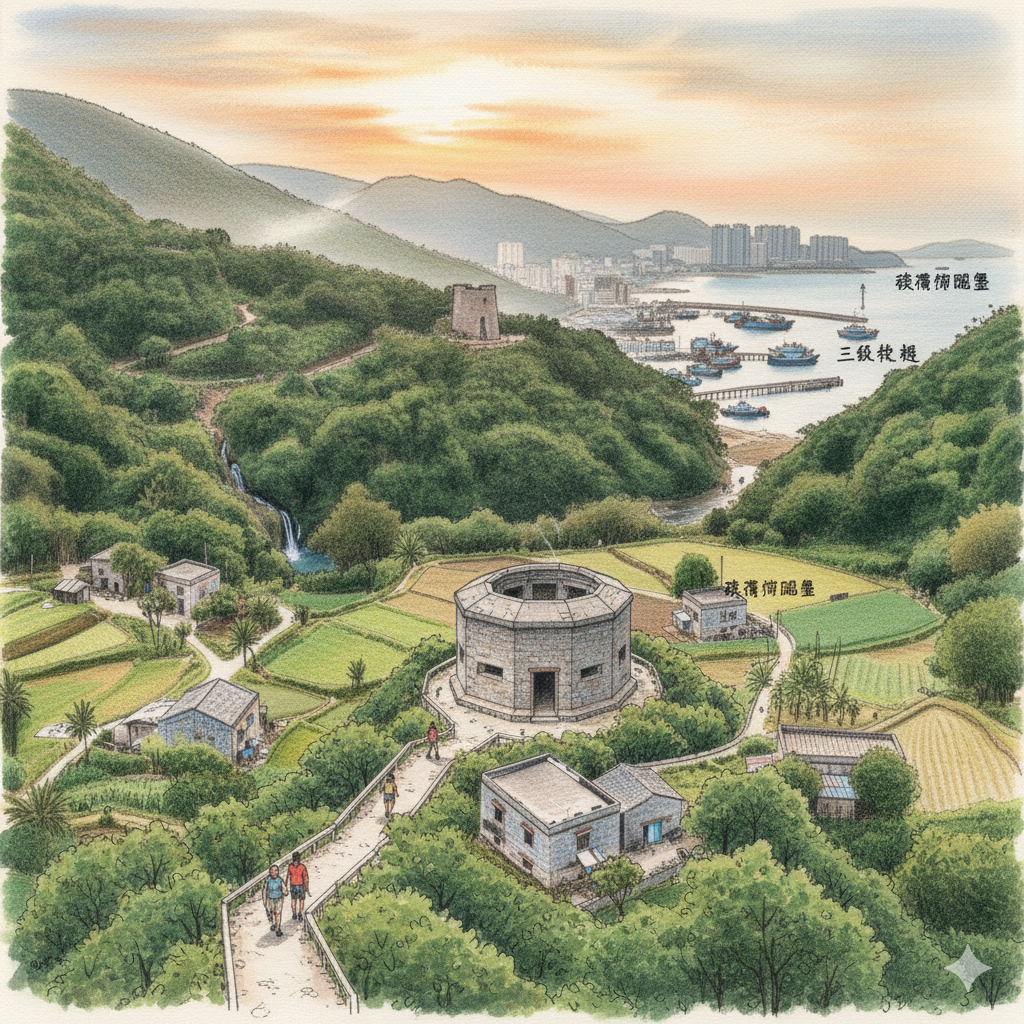
It is a rare place where the clang of industry, the chaos of war, and the quiet triumph of nature converge. The Lin Ma Hang Lead Mine is one such place, a stage for a dramatic three-act play of human conflict, ecological rebirth, and now, conscious stewardship.
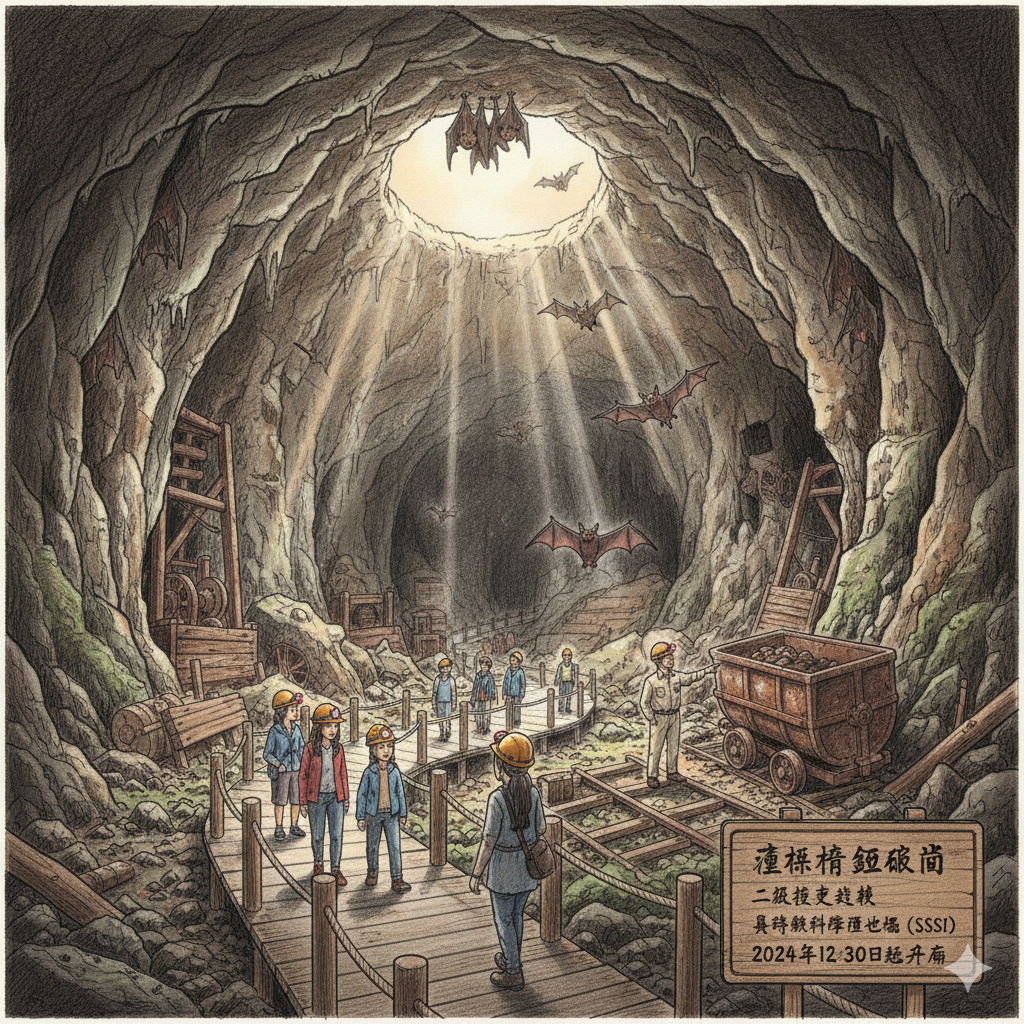
Act one began in the 1930s, when the mine was a bustling industrial site. Its trajectory was violently altered during WWII when it was seized by the Japanese army. In a heroic chapter of local history, villagers and guerrilla fighters recaptured the mine, only for it to be abandoned in the late 1950s, leaving a dark scar upon the land. In act two, nature became the playwright. The dark, silent tunnels became a perfect sanctuary for 10 species of bats, transforming this man-made wound into a "Site of Special Scientific Interest" (SSSI).
Act three is happening now. In a stunning story of redemption, the mine was transformed into an open-style museum and reopened in late 2024. This isn't a simple reclamation; it's a carefully managed partnership between heritage and ecology. Visitors must follow strict rules—no strong lights on the bats, no straying from the path—in a conscious human effort to balance public access with profound respect for the mine's wild inhabitants.
An abandoned mine, once exploited for war, has been redeemed as one of Hong Kong's most important ecological treasures—a living museum where humanity now carefully stewards the nature that triumphed over its industry.
From the subterranean darkness of the mine, our journey moves to the open expanse of the sea, where an astonishing structure tells a story of connection and isolation.
The Endless Pier: A 280-Meter Walk into a Bygone Era
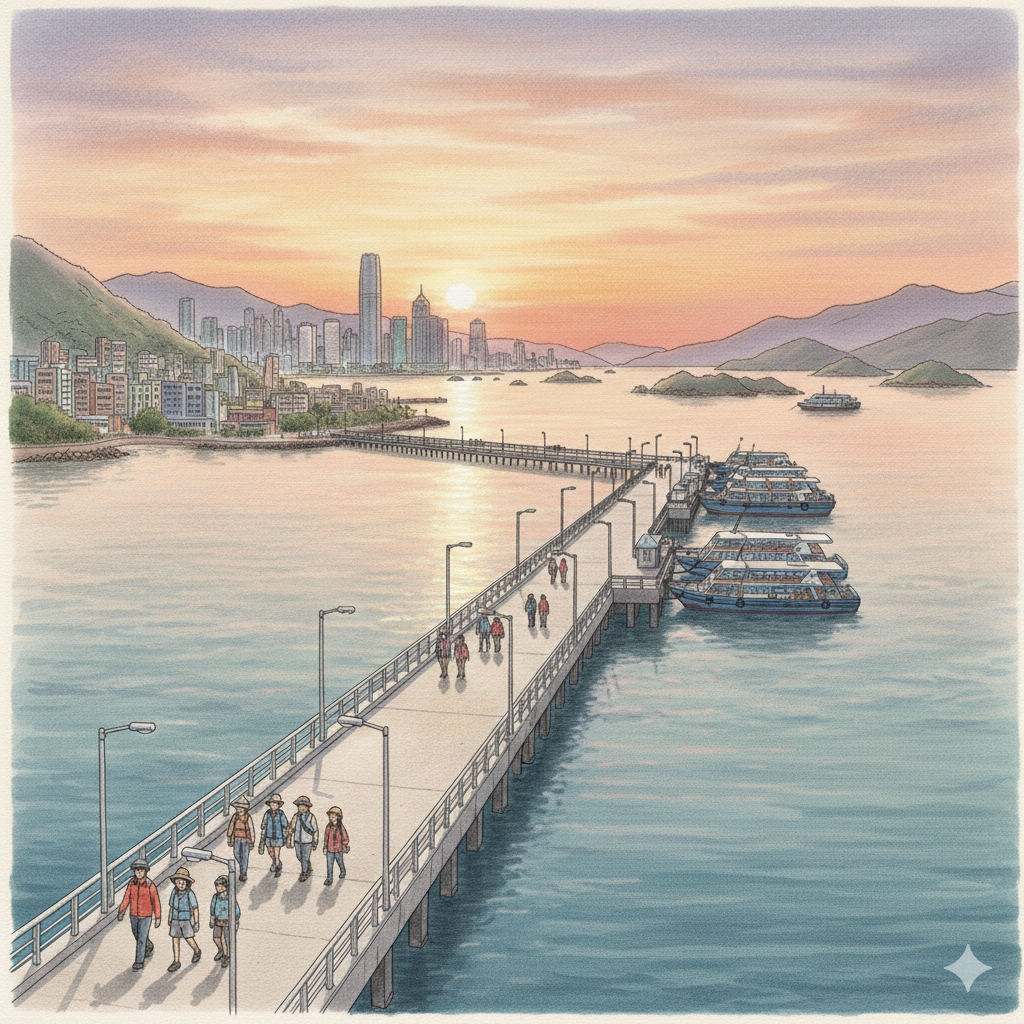
A pier is rarely more than a functional link between land and sea. But in Sha Tau Kok, the local pier is a monument to time itself, symbolizing both a vibrant past and a long, isolated slumber. Before 1951, it was a bustling gateway for cross-border trade. After the area became a forbidden zone, it fell into a deep quiet.
When the pier was rebuilt in 2007, the shallow coastal waters demanded an extraordinary solution: it had to stretch an incredible 280 meters into the sea. This makes it the longest public pier in all of Hong Kong. But its true significance lies not in its length, but in the journey it creates. To walk it is a deliberate, slow transition. With every step, you feel the modern world recede behind you, the sea breeze carrying whispers of the past, as you move along a physical timeline from the familiar into this historic, peripheral world. Today, reborn as a hub for "island-hopping" tours, it once again connects this revived community to the outside world.
Stretching 280 meters into the sea, this is the longest public pier in all of Hong Kong, acting as a physical timeline you can walk along, deliberately leaving the present with every step you take.
While the pier re-establishes a physical link, the area's intangible cultural ties reveal an even deeper story of a bond that was never broken.
The Dance That Leapt a Border: A Festival of Light in the Dark
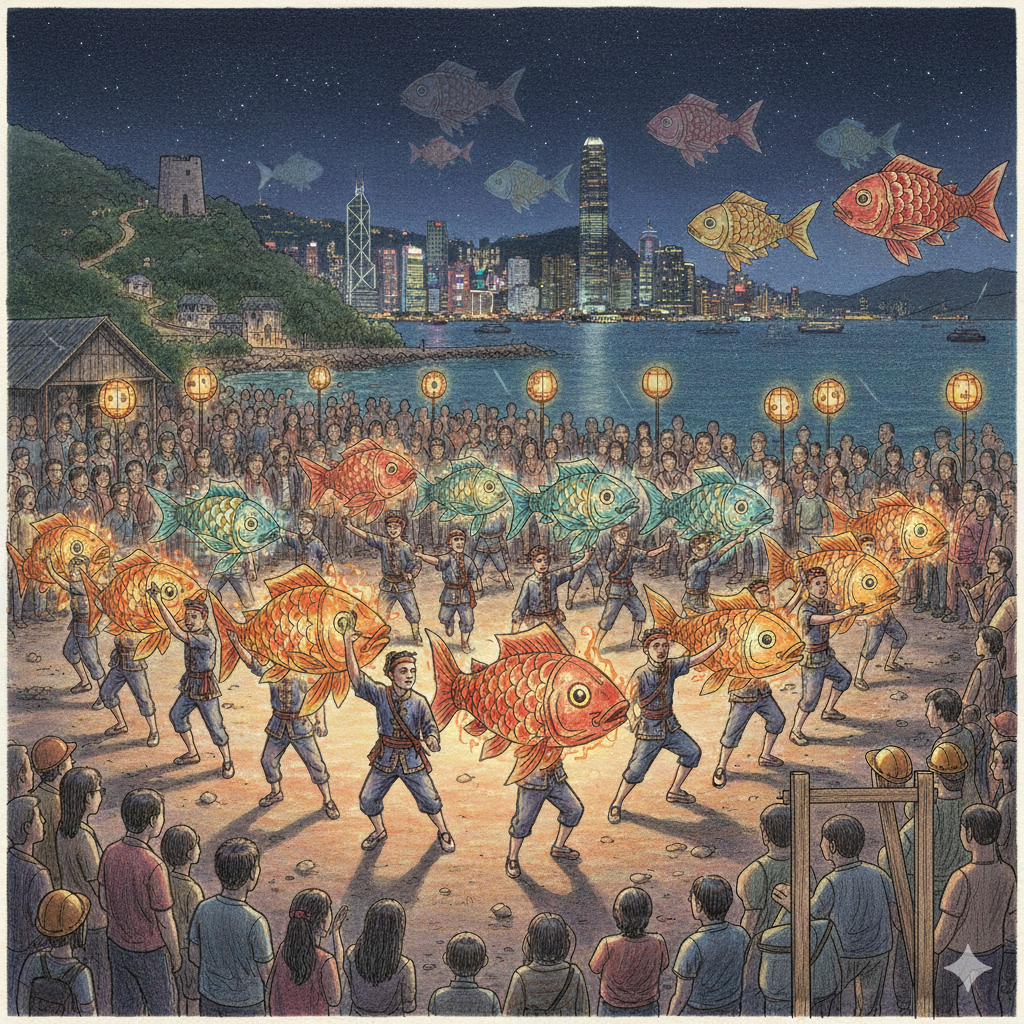
How does a culture survive when a line on a map cuts its community in two? The Sha Tau Kok Fish Lantern Dance offers a breathtaking answer. Originating in the Ming/Qing era, this ritual was a fisherman’s prayer for a bountiful harvest. As darkness falls, the village becomes a stage. Men hoist lanterns shaped like mythical fish, their translucent bodies glowing from within, and begin a silent, bobbing procession that transforms the night into an underwater dream.
The most profound part of this spectacle is its complete disregard for the border. The tradition is actively practiced in villages on both sides of the boundary—in Hong Kong's Sha Tau Kok and across the fence in Shenzhen's. It is living, breathing proof of a unified cultural region that predates the modern boundary, a shared soul that political lines could not sever. It’s a powerful reminder that culture, community, and identity often flow more freely than people, thriving even in the shadow of fences.
This ancient, luminous fish lantern dance is a piece of living heritage that proves culture is stronger than fences, as it's still celebrated on both sides of a border that divided a community for decades.
From a community's shared soul, we turn to the story of a single clan that not only survived its isolation—it prevailed.
The Clan Hall That Waited: A Family's Legacy, Preserved by Isolation
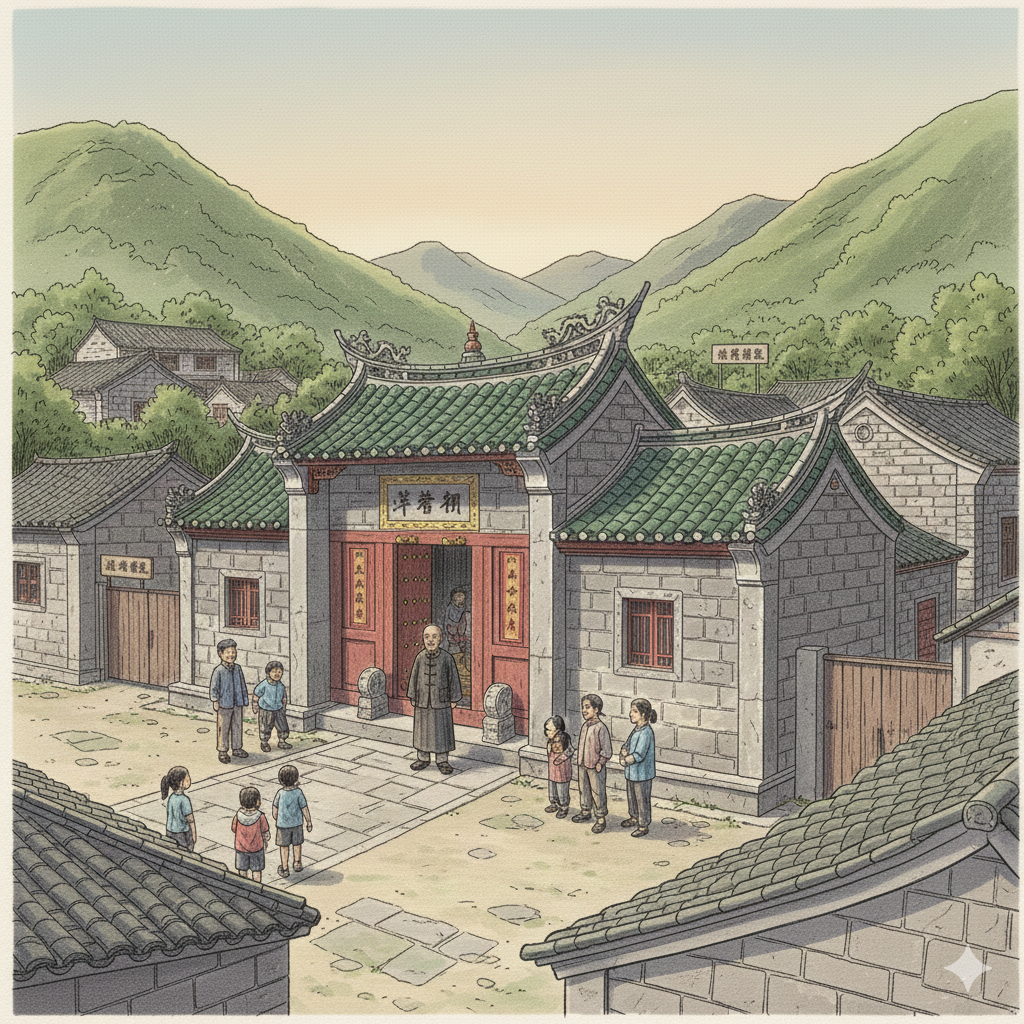
Conventional wisdom holds that isolation leads to decay. But in the village of Lin Ma Hang, being cut off from the world was an act of profound preservation and consolidation. At the heart of this story is the 18th-century Ip Clan Ancestral Hall. While the village was once home to multiple clans, decades of pressure and isolation created a unique crucible. Today, it is the Ip clan that predominantly remains, their ancestral hall the enduring heart of the community.
For centuries, this hall has been the stage for the clan’s most sacred traditions. Even after the village was swallowed by the Frontier Closed Area, the Ip family steadfastly maintained their customs within its walls. The 70-year lockdown had a paradoxical effect: by preventing modern development, it shielded the clan's social structures from the erosive pressures of the modern world. The result is a "living fossil" not just of architecture, but of a family’s remarkable endurance—a story of a legacy that became the dominant, surviving narrative of the village.
A traditional clan's culture and ancestral hall were perfectly preserved not in a museum, but by a 70-year military lockdown that shielded them from the pressures of the modern world and allowed their legacy to endure.
From these relics of the past, a powerful question about the future emerges.
A New Chapter for a Hidden Hong Kong
The five secrets of the borderlands reveal a truth long obscured by Hong Kong's urban narrative: that its identity is as deeply rooted in these quiet, resilient peripheries as it is in its bustling city center. The long isolation of the Frontier Closed Area created a unique historical, cultural, and ecological asset—a landscape where sealed forts, redeemed mines, and ancient traditions were all kept safe from the relentless march of time.
As this land reconnects with the rest of Hong Kong, it presents both an incredible opportunity and a profound challenge. The stories of this land were kept safe for decades by a line on a map; now, they must be protected by careful, conscious stewardship.
As Hong Kong reclaims these borderlands, can it learn to be a curator as patient as nature, and a guardian as steadfast as the clans who never left?
Works Cited
- Sha Tau Kok Day Trip: Must-visit Attractions in the Closed Area | Hong Kong Tourism Board
- Unmissable Sha Tau Kok Experiences | Hong Kong Tourism Board
- Lin Ma Hang Lead Mine Caves - Family Outing
- CB(2)1691/2025(03) - Legislative Council
- Sha Tau Kok FCA Local Tour Opening Plan | Travel Industry Council of Hong Kong
- Wikipedia: Sha Tau Kok Public Pier
- Stories of Sha Tau Kok Recounted | Hong Kong Tourism Board
- Sha Tau Kok Fish Lantern Dance - Shenzhen Government Online
- Revitalising Abandoned Villages in HK – Mui Tsz Lam & Kop Tong | HKU Knowledge Exchange
- The Hong Kong Countryside Foundation