(ENG) Akita's Whispers: Five Secret Stories That Reveal the True Soul of Japan's North
The five stories—of a loyal fox, a healing river god, a silent castle, a ghostly scholar, and a living wetland—collectively paint a portrait of Akita that transcends mainstream tourism. They reveal a city defined by its relationship with nature, its respect for wisdom...

Audio Story for you
The Unseen Heart of Tohoku
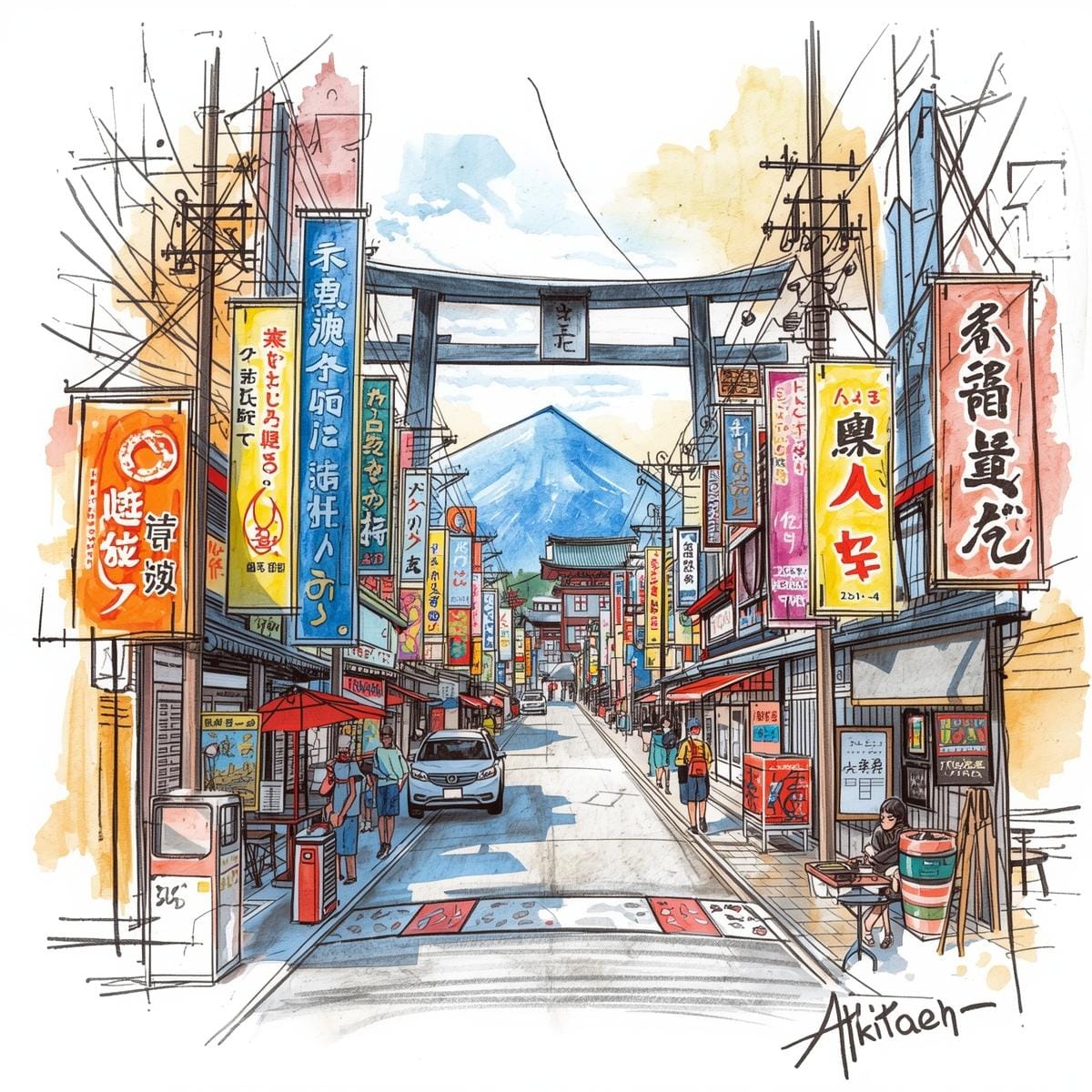
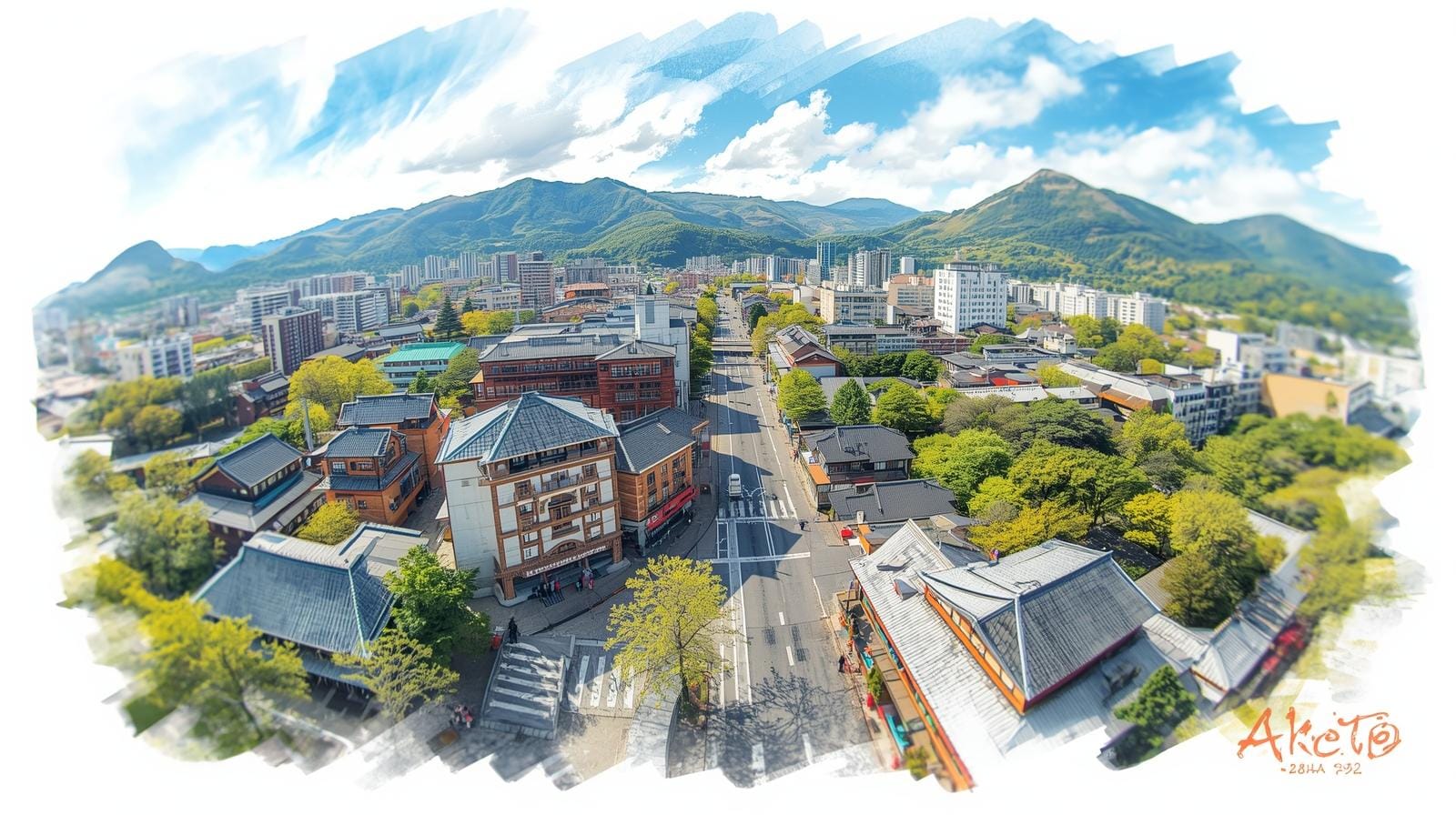
The great northern region of Japan, Tohoku, conjures powerful images in the traveler's mind: the formidable, demon-like "Namage" who storm through winter nights on the Oga Peninsula, or the impeccably preserved samurai manors of Kakunodate. Yet travelers often commit a profound error of geography: they pass through Akita City, the region's historic heart, treating it as a mere waypoint to more bombastic sights. In doing so, they miss the very soul of the north.
But the true essence of Akita is not found in grand monuments that demand your attention. It is discovered in the quiet whispers of its hidden stories. This journey unveils five such legends—tales of loyalty, myth, silence, scholarship, and nature. Together, they offer a more intimate and profound connection to a city whose soul resides not in what is seen, but in what is remembered.
The Fox's Pledge: A Tale of Loyalty and Sacrifice at the City's Core
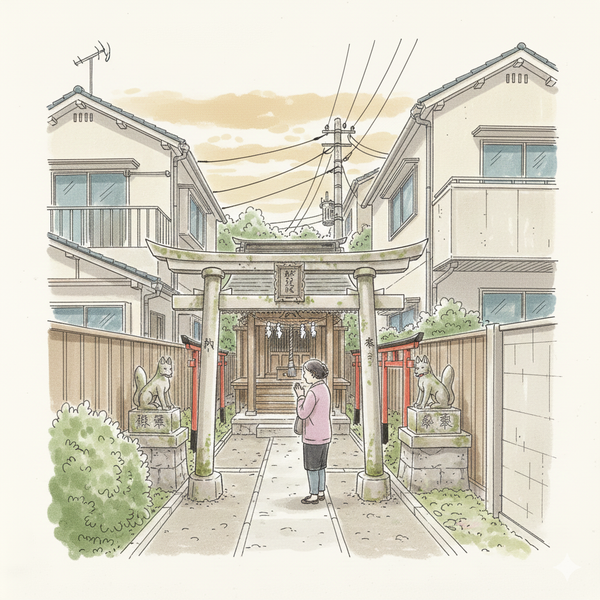
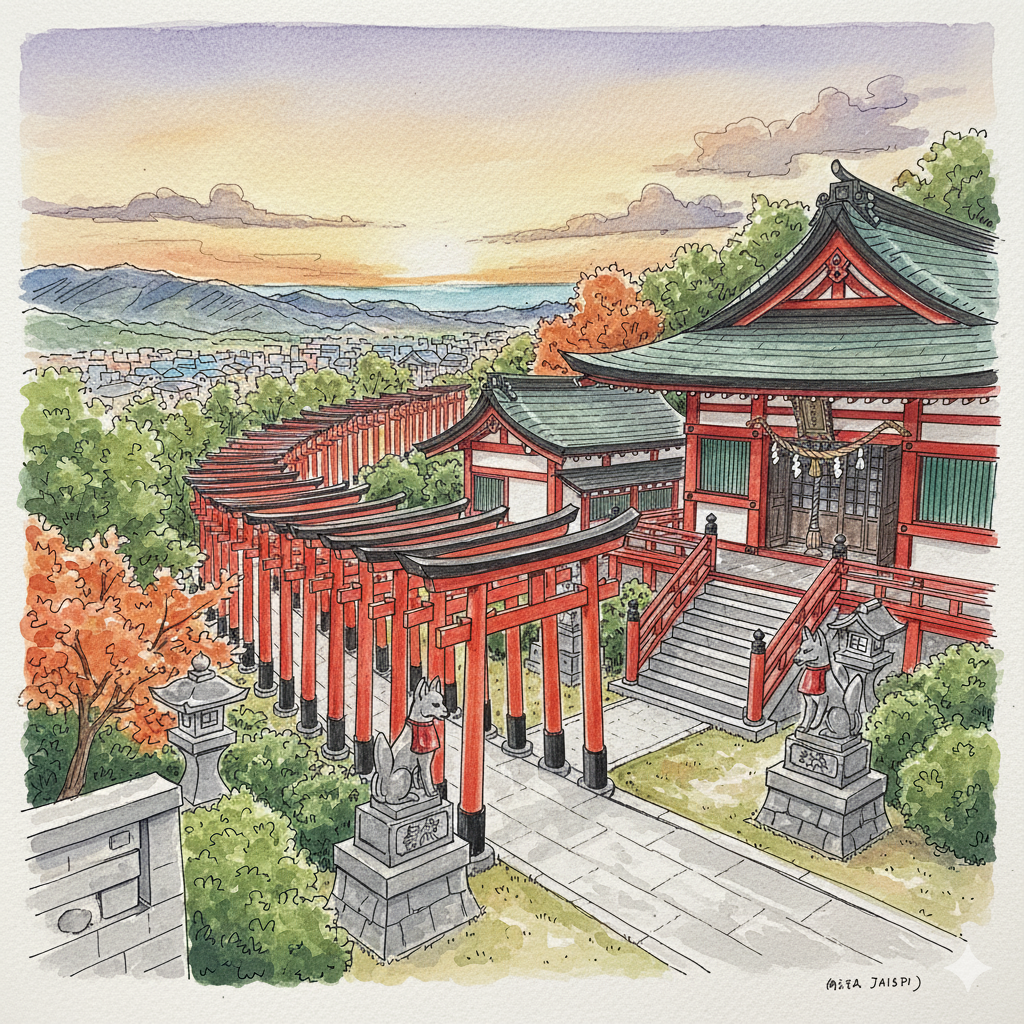
The story of Akita City’s founding is carved into its very landscape. When Lord Satake Yoshinobu began constructing Kubota Castle in the early Edo period, the surrounding hills were cleared, displacing the wild creatures who called them home. Among them was a fox named Yojiro, who approached the lord not with anger, but with a plea. If the lord would grant it sanctuary, Yojiro pledged its loyalty and service.
Moved, Lord Satake granted the fox a home near the castle’s serene tea garden, giving it the name "Yojiro of the Tea Garden." The fox kept its extraordinary promise. Yojiro became a "hikyaku," a high-speed messenger, using its supernatural abilities to run the 750-kilometer round trip between Akita and the shogun's capital in Edo in a mere six days—a journey that took human messengers weeks. But Yojiro’s incredible speed bred jealousy. On a lonely road in a distant province, human rivals set a trap and killed the faithful fox. Heartbroken, Lord Satake built a shrine to honor its spirit.
This legend is an ethical reflection on Akita’s origins, built upon the covenant between humanity and the wild. The shrine is more than a myth; it is a poignant reminder that progress often requires the sacrifice of nature, and that the city’s foundations are consecrated by a promise kept.
The Deep Dive: Seek out the Yojiro Inari Shrine, a small, quiet sanctuary tucked away within the grounds of the modern-day Senshu Park (the former site of Kubota Castle). It is a place to stand on the foundations of the city and contemplate the unseen sacrifices that lie beneath.
"In the heart of Akita City, seek out the promise made between a lord and a fox—a testament to the city's very soul."
The River God's Cure: Where Myth Becomes Medicine
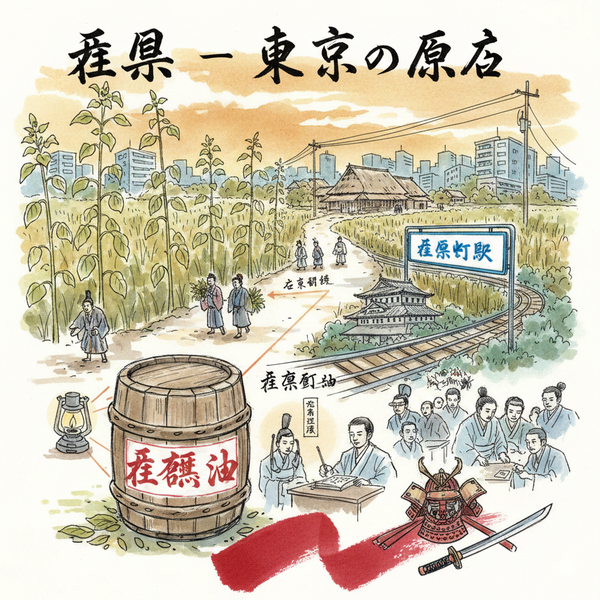
Throughout Japan, the "Kappa" is a mischievous water spirit. In Akita, however, this creature is revered as a master of medicine. Local folklore tells of "Kappa Soden," or "Kappa-transmitted" remedies, powerful bone-setting formulas gifted from the river god to humankind. This unique belief stems from a fascinating piece of folk logic: locals connected the Kappa’s strong vitality and uncanny flexibility in water to a supernatural ability to heal the human body’s own framework.
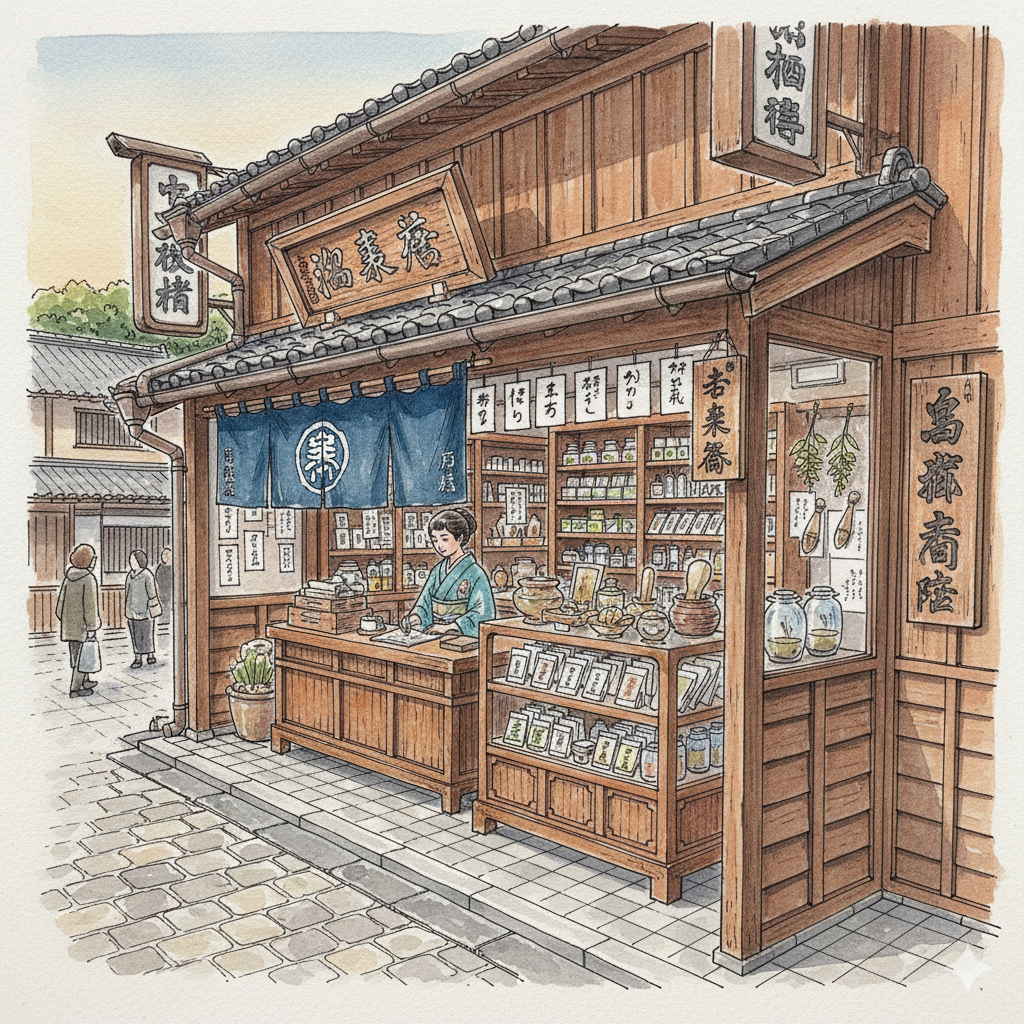
This is no dusty tale. The most famous of these formulas, "Hiryusan," is still produced and sold in Akita City today, transforming a myth into a tangible, purchasable artifact. This "living piece of folklore" has survived not just because it is fantastical, but because it is useful. Its practical, commercial application has protected it, allowing ancient wisdom to perpetuate itself as an integral part of daily life.
The Deep Dive: Embark on an "uncanny medicine tour" by visiting a traditional pharmacy in Akita City, such as the legendary "Mataichi" apothecary, to find this living piece of folklore on the shelf. It is a rare opportunity to see where sympathetic magic and medicine converge.
"In Akita, you can purchase an ancient myth: a secret remedy whispered from a river god to humankind."
The Castle That Breathes in Silence: A Meditation on Time and Nature
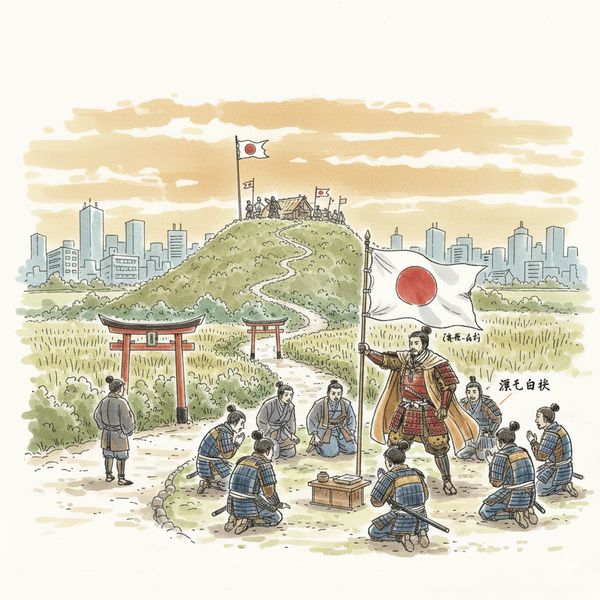
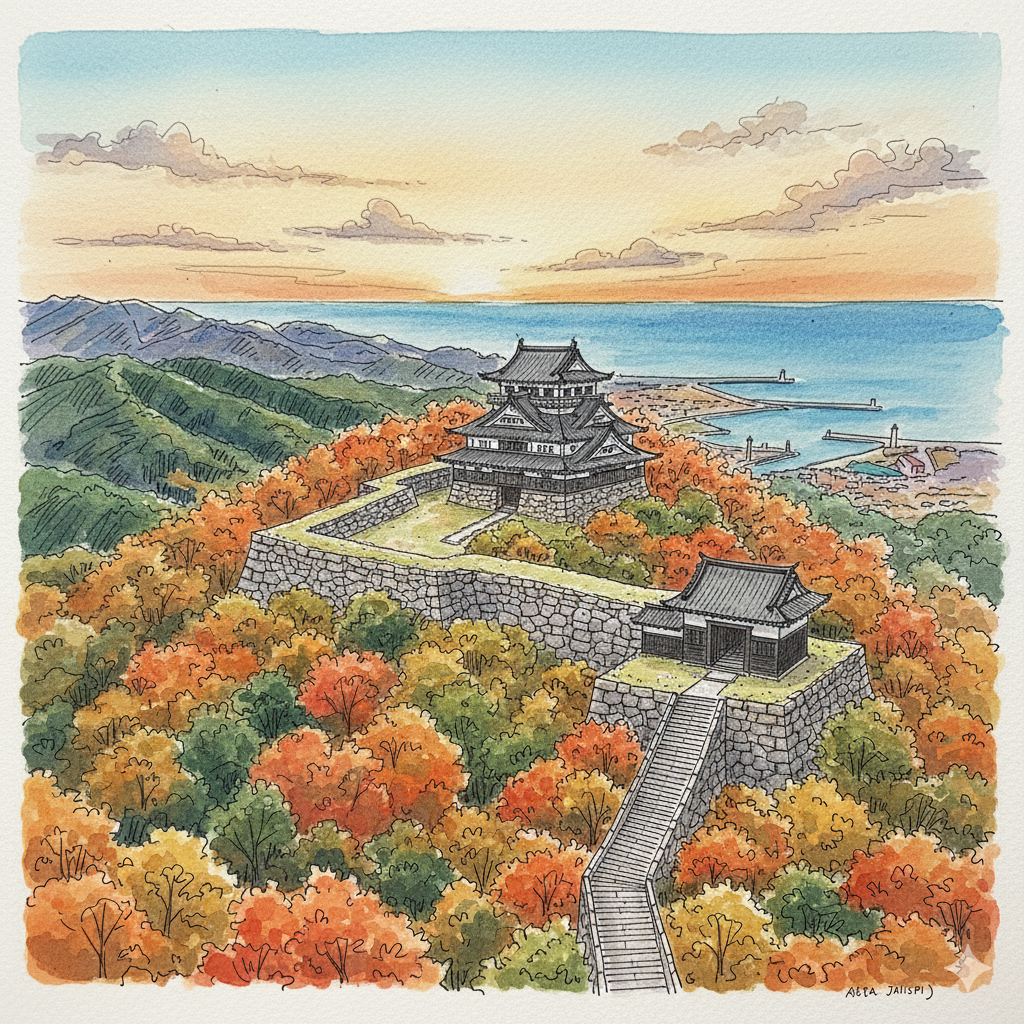
A short, 15-minute walk from Ugo Kameda Station lies the Iwaki Kameda Castle Ruins, an antidote to Japan's crowded tourist sites. Beloved by locals but overlooked by guidebooks, it is a true hidden scenic spot where the main attraction is not architecture, but profound tranquility.
Here, history breathes. Wisps of pale cherry blossoms drift across the silent, weathered ramparts, settling in the cracks of stones that once echoed with the clash of steel. In autumn, the slopes, covered in fiery maple and beech trees, ignite in color. To stand here alone is to understand the Japanese aesthetic of "Wabi-Sabi"—the beauty of imperfection—and "Yugen," a deep, mysterious grace. This is a place for slow travel, where a former center of conflict, now gently reclaimed by nature on its inevitable slope, offers a space for mental healing.
The Deep Dive: Escape the tourist trail and visit during the peak of spring cherry blossoms or autumn foliage to experience the profound luxury of having an entire historic landscape to oneself. This is an ideal retreat for photographers and anyone seeking to hear the quiet passage of time.
"Leave the crowds behind and claim a castle for a day: Akita's private sanctuary of spring cherry blossoms and autumn maples."
Walking with a Ghostly Scholar: Following the Path of Sugae Masumi
To unlock Akita’s deepest secrets, one must follow the footsteps of Sugae Masumi. This Edo-period traveler, scholar, and folklorist meticulously documented the life and legends of northern Japan. More than just a historical figure, he is the scholarly validator of the very stories in this journey; it was his pen that recorded the existence of the Kappa’s bone-setting medicine, lending historical weight to local folklore.
In his honor, the city created the "Path of Sugae Masumi," historical markers that turn the entire city into a "mobile museum." Following this path transforms a simple walk into a dialogue with history. Seemingly ordinary places—a small shrine like Sakae or Suwa—are woven into a coherent, intellectual narrative. This is not a typical tour, but an active pursuit to see Akita through the eyes of a 19th-century scholar.
The Deep Dive: This journey is for the intellectually curious traveler. The hidden gem is the experience itself: using a map of the markers to embark on a historical treasure hunt, allowing the ghost of Sugae Masumi to guide you through the city's forgotten cultural web.
"Follow the footsteps of an Edo-period poet and learn to read the landscape of Akita through a scholar's eyes."

The City's Quiet Heartbeat: Life in a Wetland Sanctuary
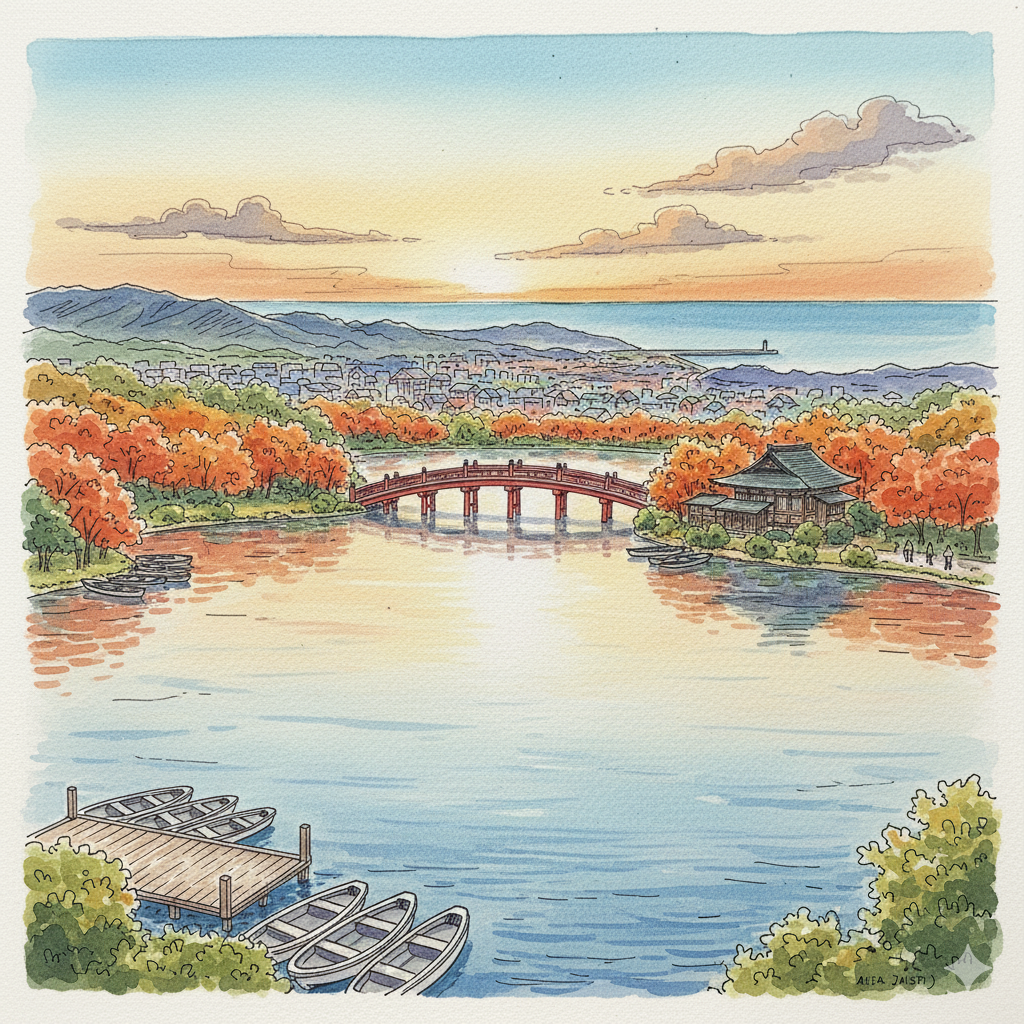
Some places reveal their character not through stories of the past, but through the rhythms of the present. Koizumigata Park is the ecological heart of Akita. This vital wetland ecosystem is the city's soft edge, a necessary buffer between the urban and the wild. It is not a dramatic tourist site, but a sanctuary reflecting a commitment to a balanced, "slow life."
This is not the thunderous beauty of a coastal waterfall, but the quiet poetry of rustling reeds, the silver glint of water at dusk, and the sudden, vibrant flash of a kingfisher. Known as a "treasure trove for wild birds," especially migratory species, the park offers a peaceful yet dynamic natural spectacle. It is the city’s breathing space, a testament to the harmonious coexistence of development and conservation.
The Deep Dive: Experience the park as a local would. The hidden gem is to visit at the quiet times of dawn or dusk. Walk the paths, observe the local residents, and watch the diverse birdlife, feeling the calm, authentic pulse of daily life in Akita.
"In the gentle wetland breeze of Koizumigata, feel the quiet, steady heartbeat of everyday Akita."
Listen for the Stories
The five stories—of a loyal fox, a healing river god, a silent castle, a ghostly scholar, and a living wetland—collectively paint a portrait of Akita that transcends mainstream tourism. They reveal a city defined by its relationship with nature, its respect for wisdom, and its appreciation for the quiet spaces in between.
The deepest travel experiences come not from what we see, but from the stories we learn to hear. They are the invisible architecture of a place, holding its memories, its values, and its soul.
In your next journey, where will you look for the hidden stories that reveal a place's true soul?
Works cited:
Akita - The official tourism website of Tohoku, Japan, accessed on October 5, 2025
あきた不思議発見伝 秋田市の歴史に伝わる不思議な話、謎、謎、謎… 与次郎稲荷の伝説, accessed on October 5, 2025
秋田市の自然景観・絶景ランキングTOP9 - じゃらんnet, accessed on October 5, 2025
白糸の滝 | 男鹿のみどころ - 男鹿なび, accessed on October 5, 2025
柳田國男 山島民譚集 原文・訓読・附オリジナル注「河童駒引」(5) 「河童家傳ノ金創藥」(3) - Blog鬼火~日々の迷走, accessed on October 5, 2025
大屋の史跡 | 秋田のがんばる集落応援サイト あきた元気ムラ, accessed on October 5, 2025
秋田県秋田市の史跡・祭事・来訪神 - マスミログ, accessed on October 5, 2025
秋田の穴場スポット11選!地元民が教える観光名所を完全網羅 - NEWT, accessed on October 5, 2025

Detail version of the story (For subscribers only)