(ENG) Beyond the Dumplings: 5 Hidden Stories That Reveal the True Soul of Utsunomiya
Utsunomiya’s true charm is found when you look past the "Gyoza Capital" label. It reveals itself in the meticulous craftsmanship of a restored stone, the quiet healing of a bamboo forest, the sophisticated culture of a hidden bar, and the living history of a sacred ritual...

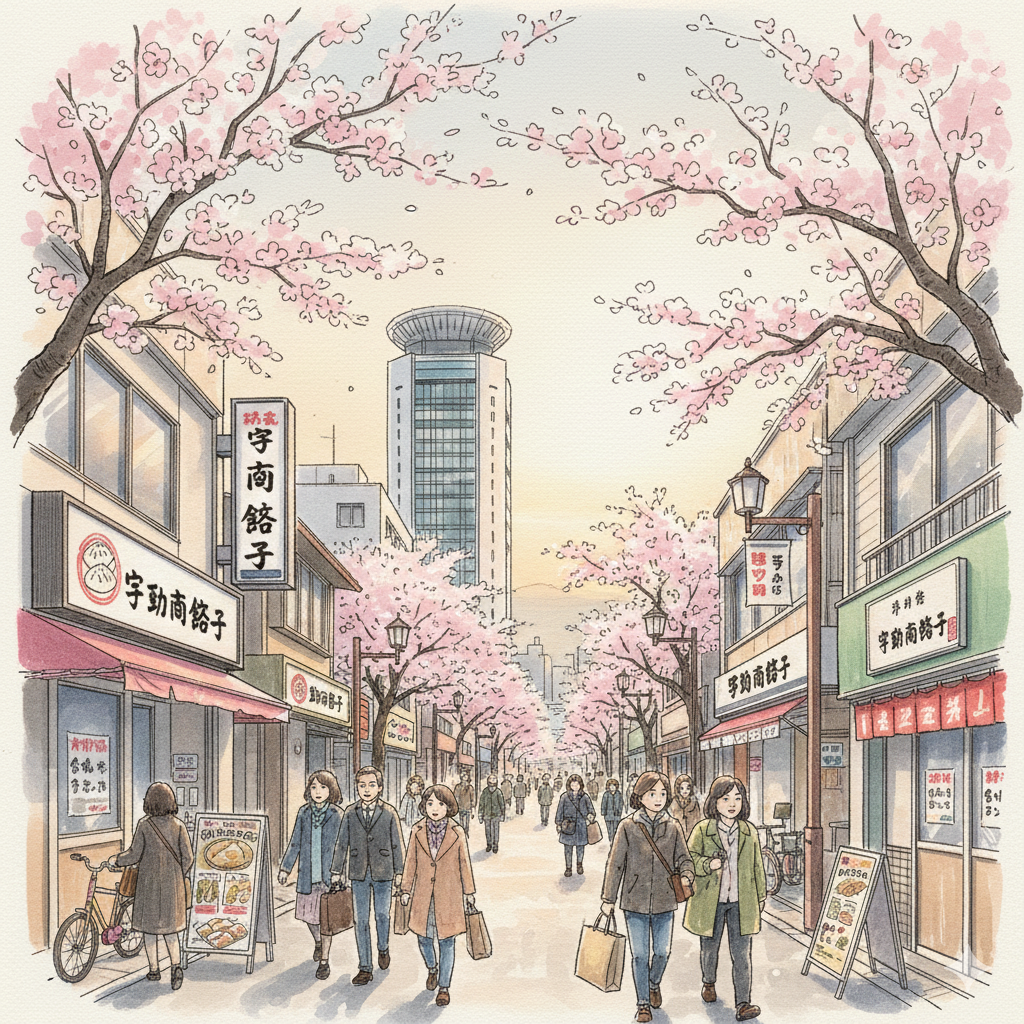
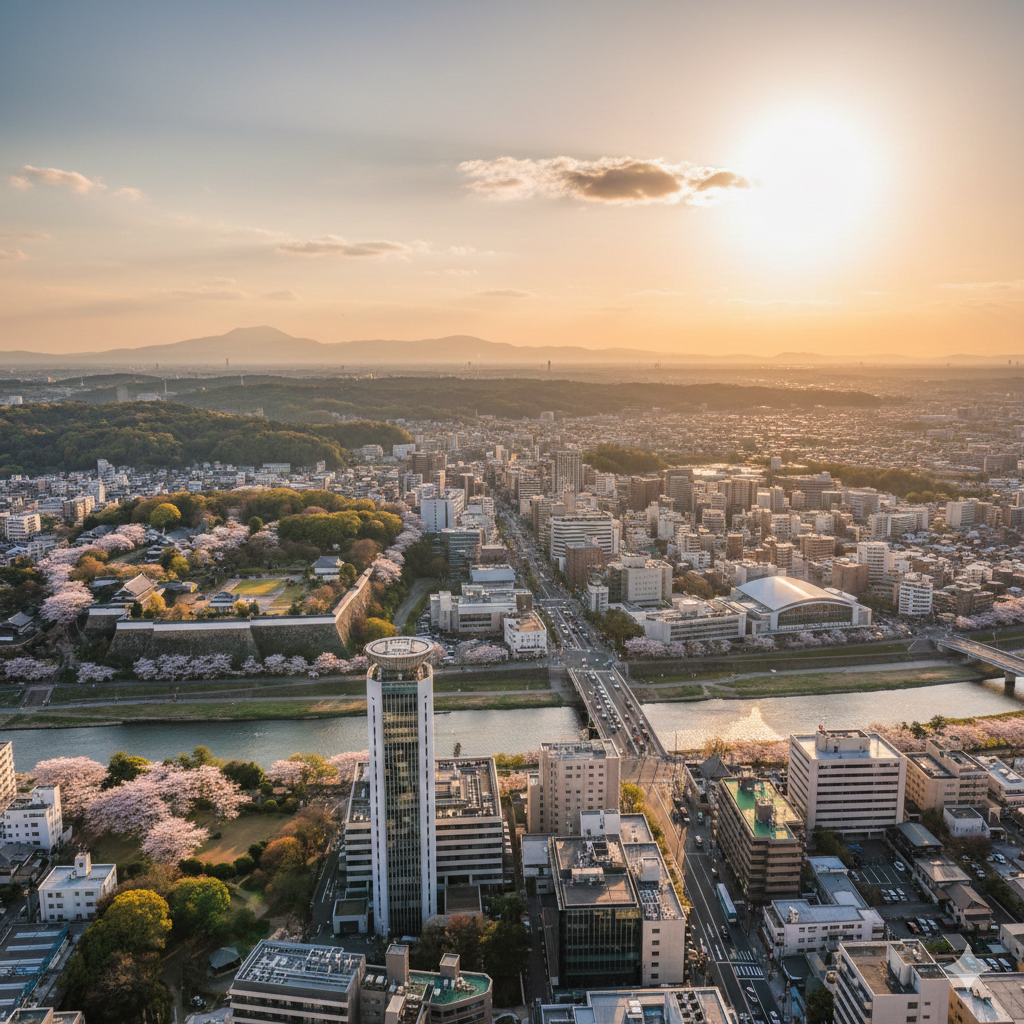
Listen attentively to the historical stories told in detail
More Than a Meal Stop
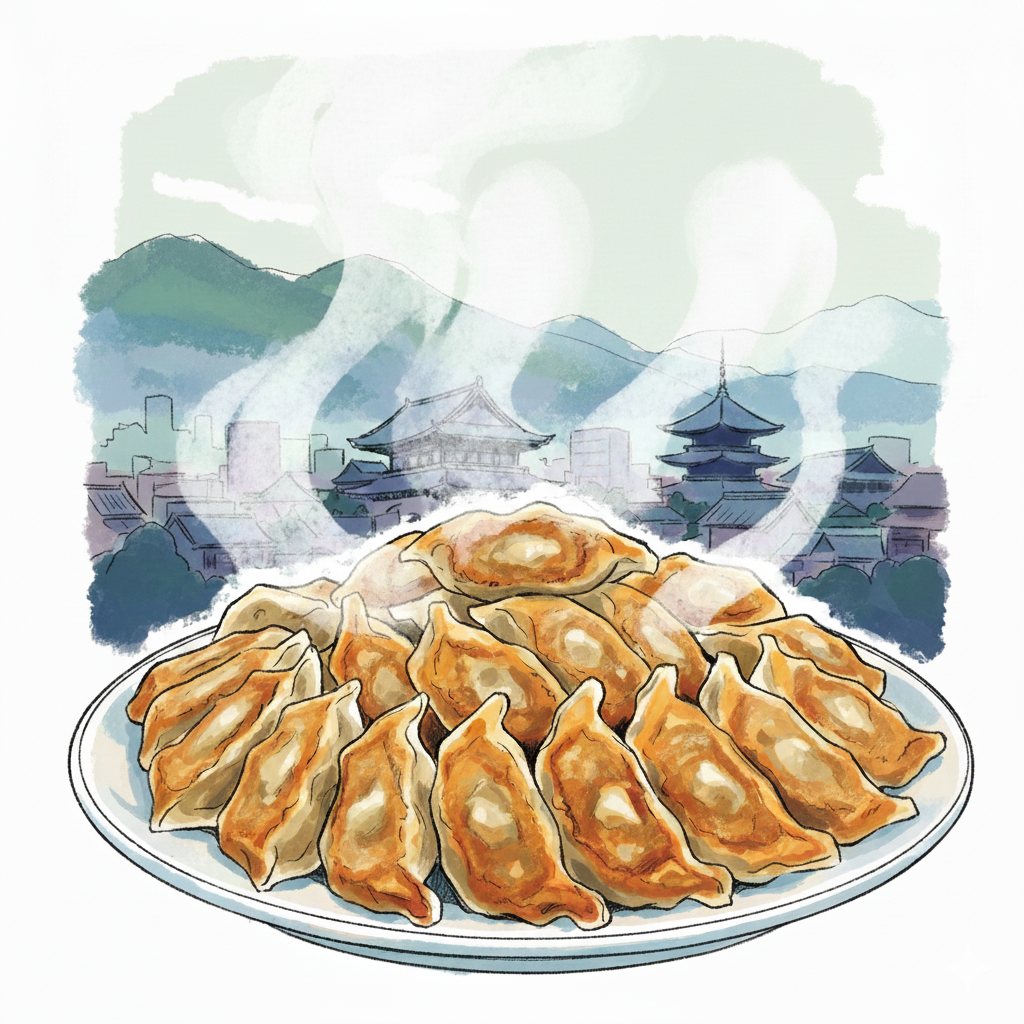
For many travelers, the name Utsunomiya conjures a single, savory image: gyoza. As Japan's undisputed "Gyoza Capital," the city has built a reputation on its perfectly pan-fried dumplings. But to define Utsunomiya by its most famous dish is to miss the point entirely. Beneath this delicious veneer lies a much deeper, richer, and more sophisticated cultural narrative, one that echoes its prosperous past as a "Little Edo," a hub of culture and refinement long before the first gyoza was folded. This journey uncovers five hidden stories that reveal the city's true soul, proving that the most memorable flavors are often found far from the dinner plate.
The Stone That Remembers: How an Industrial Ruin Was Reborn with Perfect Memory
While many cities preserve their industrial heritage, Utsunomiya’s story of Oya Stone is different. It is not a tale of simple preservation but of meticulous, almost obsessive, resurrection. Here, the community didn't just save a building; they restored its memory, stone by stone.
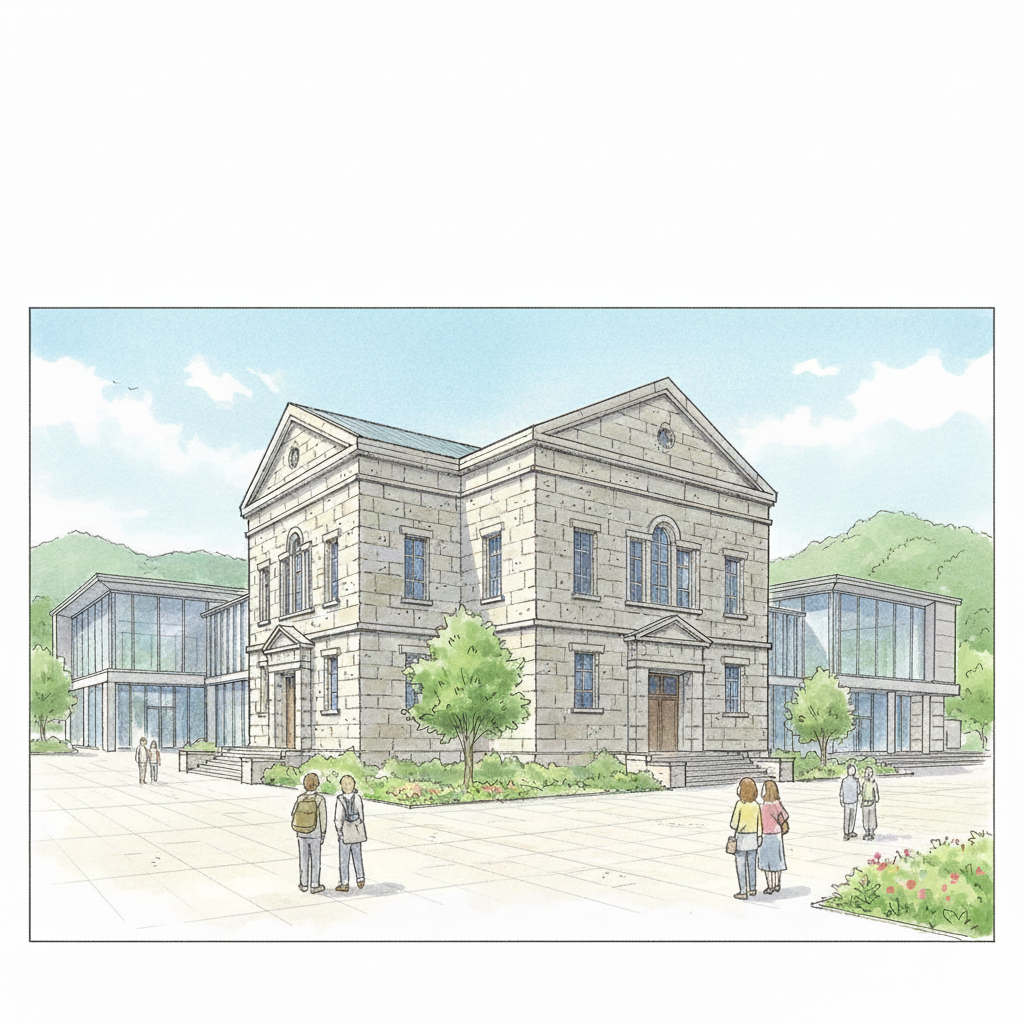
At the heart of this story is the Old Oya Public Hall. Originally built in 1929 in a grand Romanesque Revival style, this architectural gem later fell into neglect. But a recent restoration project, culminating in the 2023 opening of the new "Oya Connect" facility, transformed it from a forgotten ruin into a living cultural monument. In a feat of incredible craftsmanship, the entire building was disassembled. Artisans painstakingly marked each individual block of local Oya Stone, ensuring that over 90% of the original stones were returned to their exact starting positions. Today, visitors can admire its exquisite Corinthian pilasters and look up at the complex King Post Truss roof structure, testament to an extraordinary effort that earned the building the prestigious status of a National Registered Tangible Cultural Property.
This act was more than a repair; it was a profound statement. The community healed its industrial past not by erasing its scars but by elevating the very material of its labor—the soft, volcanic Oya Stone—into a revered symbol of culture, technology, and resilience.
The story of the Public Hall is a moving example of how humanity can refine a cold industrial vein into a delicate and eternal cultural asset, offering a lesson in the synergy between industrial heritage and cultural sustainability.
From the hard-won elegance of restored stone, we turn to the gentle whisper of a living landscape.
The Bamboo Forest That Breathes Cinema: Finding Zen on a Film Set
In an age where travelers increasingly seek "healing" and authenticity, one Utsunomiya farm has brilliantly merged agriculture with art to create an oasis of tranquility. It understands that sometimes, the deepest connection is found in the quiet spaces between things.
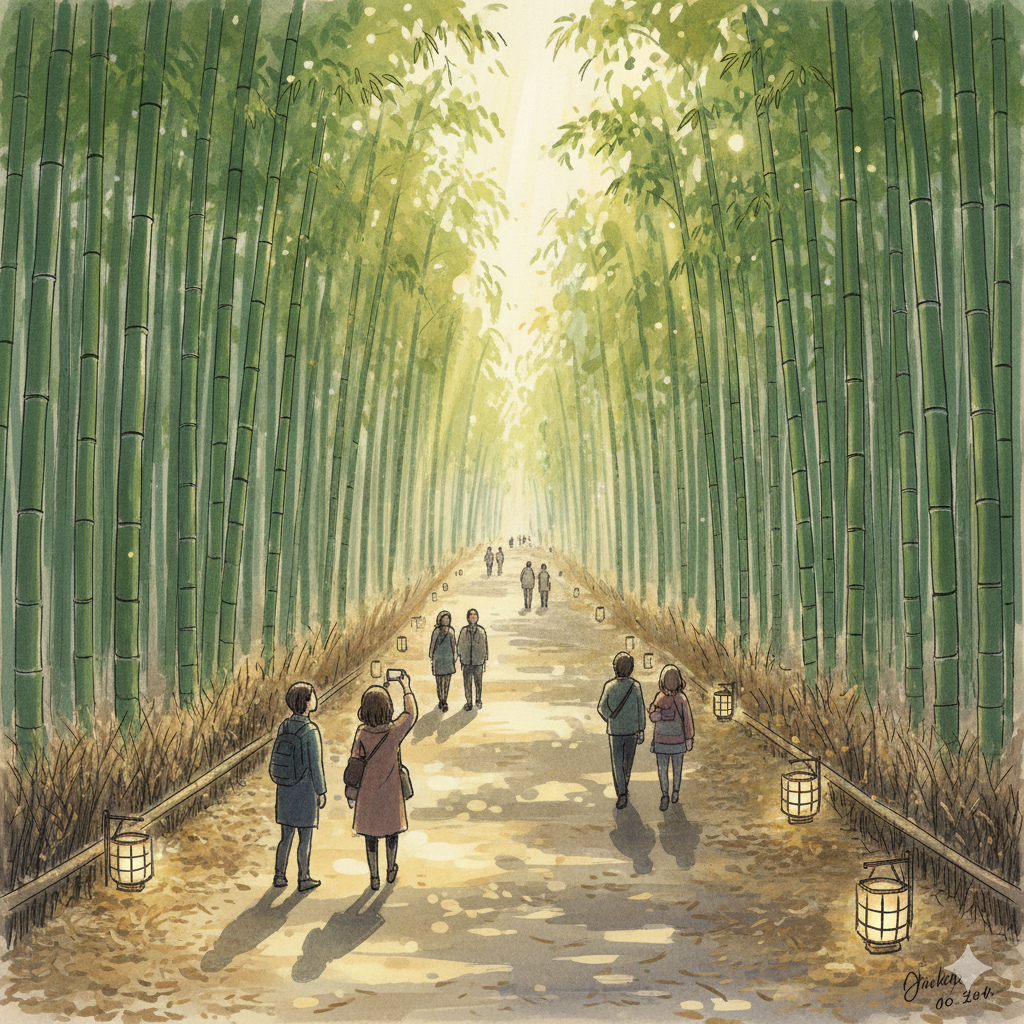
The Wakatake no Mori Wakayama Farm is, on the surface, a working farm producing bamboo shoots and chestnuts. But its true allure lies in its vast, picturesque bamboo groves. The way light filters through the towering stalks, creating mottled shadows on the ground, has made it a sought-after filming location for numerous well-known movies and dramas, lending a layer of romantic, cinematic magic to the visitor experience. The farm actively curates this atmosphere, inviting guests to engage in "bamboo forest bathing," a practice of finding a Zen-like tranquility amidst the rustling leaves, or to witness the groves transformed by special nighttime illuminations.
But this is more than just a beautiful spot. The farm's mission is the revival of Japanese bamboo, a conscious effort to reposition a traditional material as a core component of a modern "healing economy." It transforms a simple walk in the woods into a profound act of cultural and spiritual reconnection, where the shifting light offers a wordless philosophy.
Here, visitors consume a highly cultured form of "silent philosophy." The farm provides a path back to authenticity, allowing weary souls to find balance in a natural landscape.
As the contemplative quiet of the day fades, the city reveals an entirely different, yet equally refined, character.
The City That Sips by Starlight: Utsunomiya's Secret Life After Dark
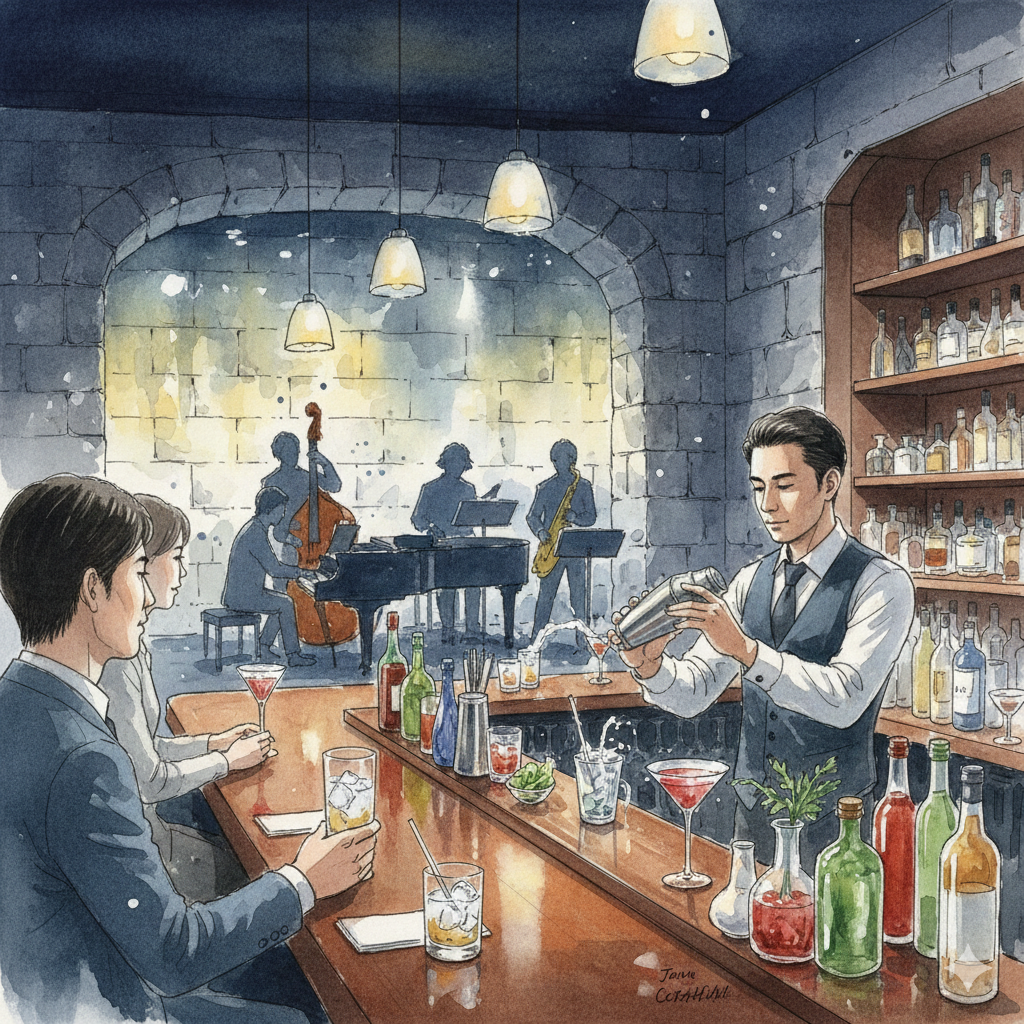
While many smaller Japanese cities grow quiet after dark, Utsunomiya cultivates a mature, internationally-recognized nightlife centered not on noise, but on art and craftsmanship. It’s a side of the city that swaps the sizzle of the gyoza pan for the cool notes of a saxophone and the gentle clink of a cocktail shaker.
Utsunomiya proudly wears a dual identity as a "Jazz Town" and a "Cocktail Town." The city’s love for jazz is not a new trend; its scene has deep, resilient roots dating back to the period just after World War II. Complementing this is its reputation for cocktails, where the city’s bartenders are nationally recognized for their high level of artistry. Here, bartending is not just a service—it is a respected craft.
This is a masterful act of strategic branding. Utsunomiya has brilliantly separated its mass-market daytime image (gyoza) from its sophisticated, high-end nighttime image (jazz, cocktails), appealing to a discerning traveler who seeks quality and experiences with depth.
By combining exquisite craftsmanship (cocktails) with deep elegance (jazz), Utsunomiya successfully projects a brand of mature, international taste, inheriting the refined and prosperous spirit of its past as a "Little Edo."
This dedication to refined craftsmanship, whether in a cocktail glass or a jazz solo, is not a modern fad. It is a spirit embedded in the very bedrock of the city—the ancient Oya Stone itself.
The Rock That Holds Two Faiths: A Cross-Cultural Dialogue in Stone
A region’s building materials often define its local architecture, but in Utsunomiya, one specific stone became a universal language for spirituality, creating an astonishingly beautiful bridge between East and West.
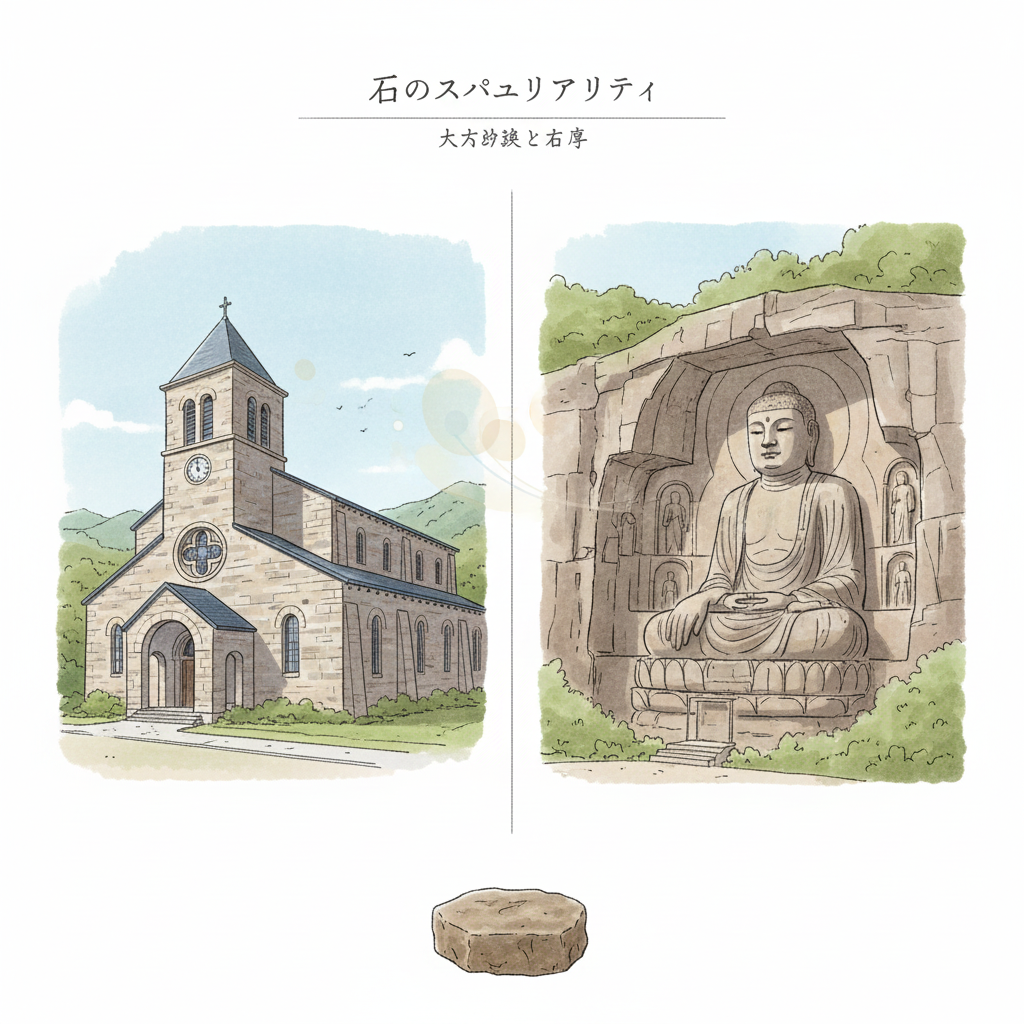
The first landmark is the Matsugamine Catholic Church, an architectural masterpiece completed in 1932 by the Swiss architect Max Hinder. It stands as the largest existing Romanesque Revival building made entirely of Oya Stone, its warm, porous texture softening the grand European design. But the story deepens when you discover the nearby Oya-ji Temple. Considered Japan's oldest cave temple, its sacred Buddhist figures are not built upon the landscape but carved directly into the very same Oya Stone cliffs. One structure reaches for the heavens; the other delves deep into the earth.
The cultural implication is profound. Oya Stone transcends its role as a mere local product to become a carrier of a sense of spirituality or resilience. It was the material chosen by ancient Buddhist monks, a 20th-century Catholic architect, and even Shinto priests for the torii gates of the city's main shrine. The stone itself became the sacred medium for vastly different spiritual worlds.
In Utsunomiya, the same stone spans a millennium, chosen by Buddhism, Shinto, and Catholicism alike as the cornerstone for their spiritual halls. This perfectly illustrates how Japan can masterfully blend foreign culture with local material resources to create a unique and harmonious beauty.
This spiritual resonance held within the stone, powerful enough to unite East and West, points to an even deeper source: the original spiritual foundation that gave the entire city its name.
The Shrine That Named a City: Uncovering Utsunomiya's True Origin Story
To truly understand a city, you must go to its source. For Utsunomiya, that source is not a geographical feature or a historical event, but a sacred institution that gave the city its identity and its very name.
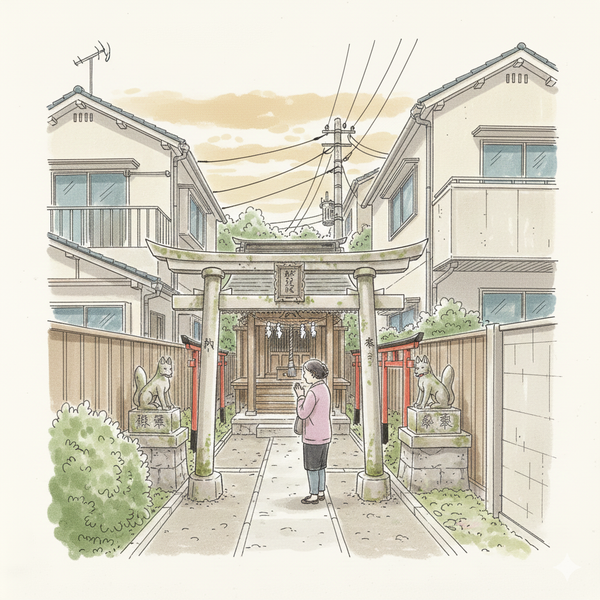
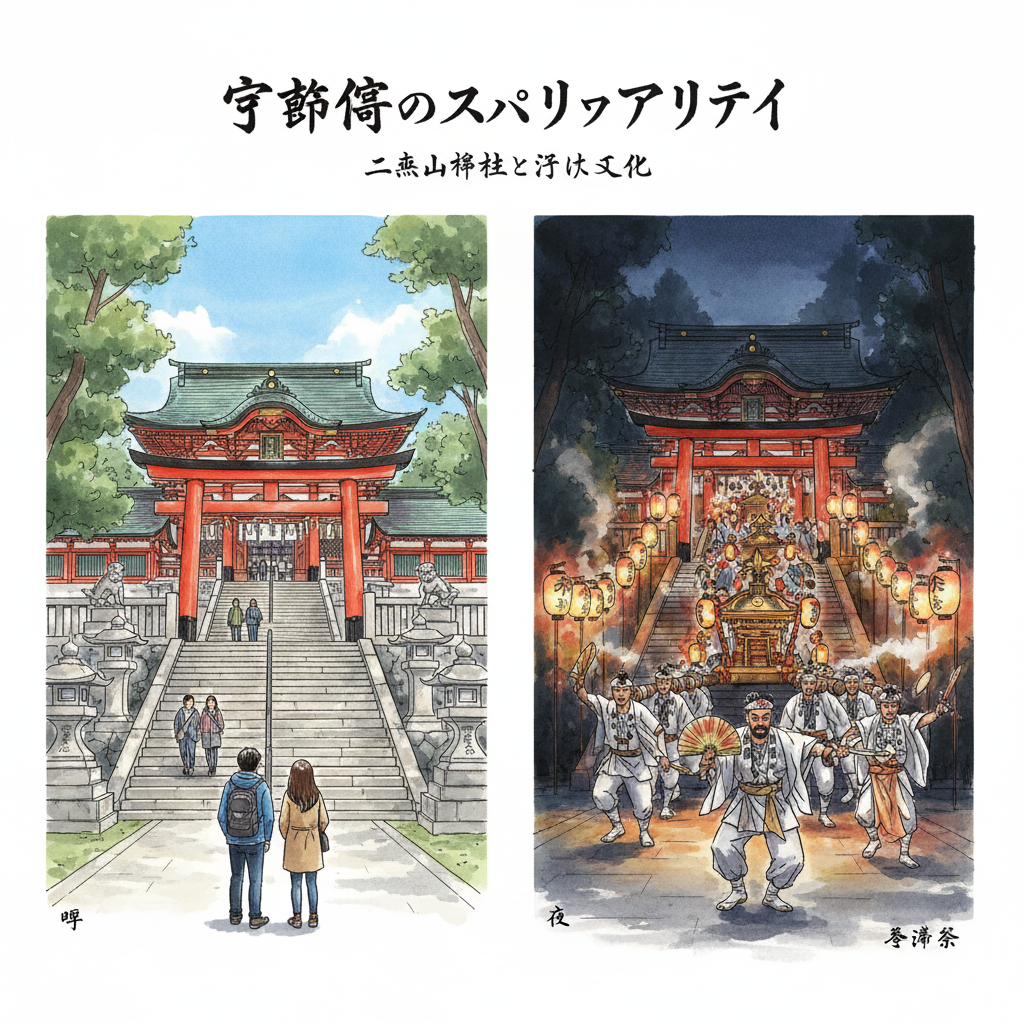
The surprising truth is that the name "Utsunomiya" is derived directly from its most important shrine, the Utsunomiya Futaarayama Shrine. For centuries, this shrine has served as the spiritual and political anchor of the region. Its authority allowed the city to flourish, eventually earning it the nickname "Little Edo" for its prosperity and cultural sophistication during the Edo period.
For the modern traveler, the shrine's true "hidden gems" are not its buildings, but its living, non-commercialized ancient rituals. Key among them are the Daidaikagura, a sacred dance designated as a city intangible cultural asset, and the O-Tariya Festival, a famous regional ritual to ward off evil and welcome spring. These are not shows for tourists; they are the vibrant, breathing pulse of a community deeply connected to its origins.
Tracing the history of Futaarayama Shrine is to trace the "spiritual charter" of Utsunomiya. This deep historical connection is more powerful than any static museum exhibit and represents the core value of deep travel.
These five stories—of stone, bamboo, jazz, faith, and origins—weave together to form the true fabric of the city.
The Beauty Hidden in the Everyday
Utsunomiya’s true charm is found when you look past the "Gyoza Capital" label. It reveals itself in the meticulous craftsmanship of a restored stone, the quiet healing of a bamboo forest, the sophisticated culture of a hidden bar, and the living history of a sacred ritual. These stories are hiding in plain sight, waiting for those willing to look a little closer.
Utsunomiya teaches us that the most profound stories are often hidden not in grand monuments, but in the quiet details. What undiscovered beauty lies waiting just beneath the surface of your own world?
Work Cited:
- 宇都宮の歩み(宇都宮市の歴史), accessed on October 5, 2025
- 宇都宮市の観光スポットランキングTOP10 - じゃらんnet, accessed on October 5, 2025
- 栃木観光するなら外せないスポット14選!自然やグルメを満喫できる - 近畿日本ツーリスト, accessed on October 5, 2025
- 大谷に訪れたらまずは「大谷コネクト」へ!宇都宮の新しい観光 ..., accessed on October 5, 2025
- 宇都宮「若竹の杜 若山農場」で竹林さんぽ!ロケ地やライトアップもチェック | たびらい観光情報, accessed on October 5, 2025
- 日本の「竹」の復権を。ロケ地や観光地としても注目される竹農家「若竹の杜 若山農場」/栃木県宇都宮市 - NIHONMONO, accessed on October 5, 2025
- 宇都宮がジャズとカクテルの街と呼ばれる理由 - 音楽と酒が織りなす ..., accessed on October 5, 2025
- 年間イベント情報 - 宇都宮市, accessed on October 5, 2025