(ENG) Beyond the Neon: 5 Hidden Stories That Will Change How You See Causeway Bay and Happy Valley, Hong Kong
The true, deep story of a city like Hong Kong isn't only found in museums or history books. It is written into the landscape itself—in the subtle slope of a road, the name on a cemetery gate, the echo of a daily cannon, and the quiet defiance of a small temple.

Listen attentively to the historical stories told in detail
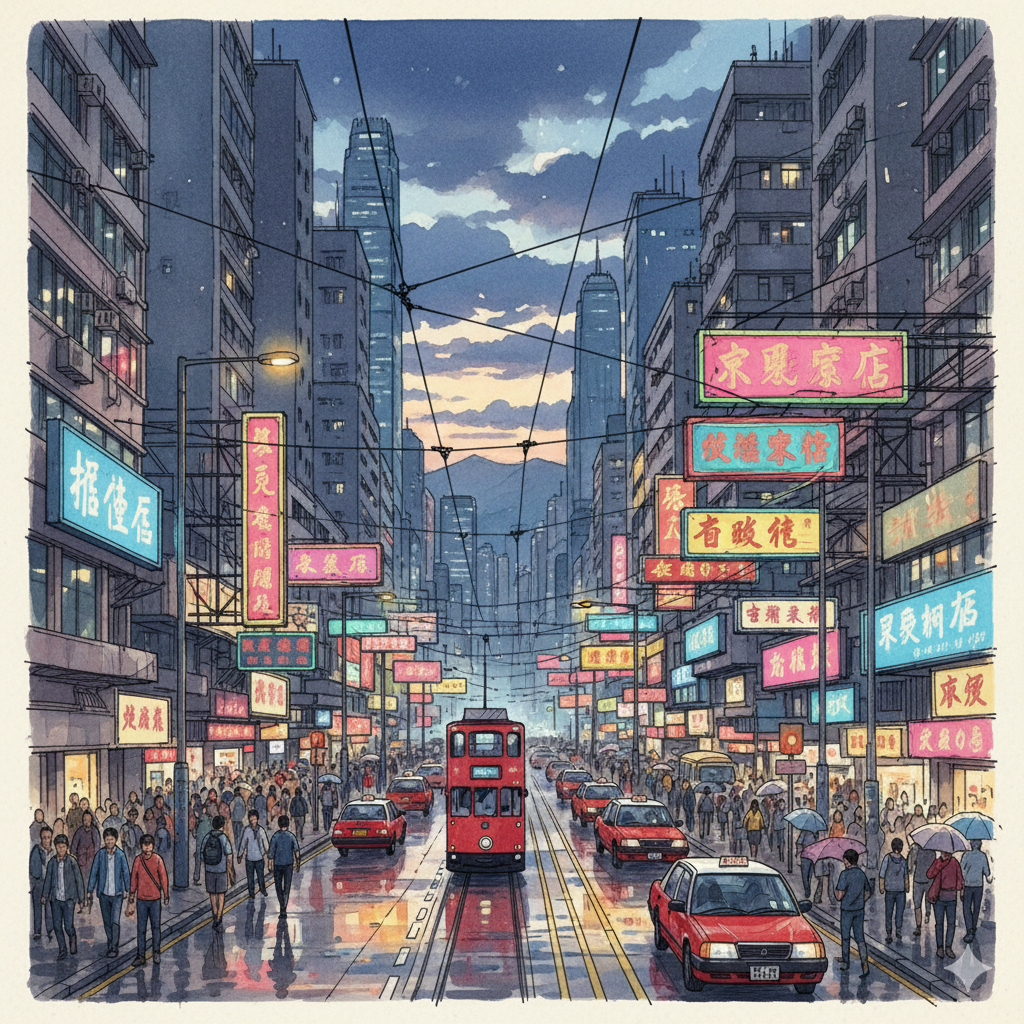
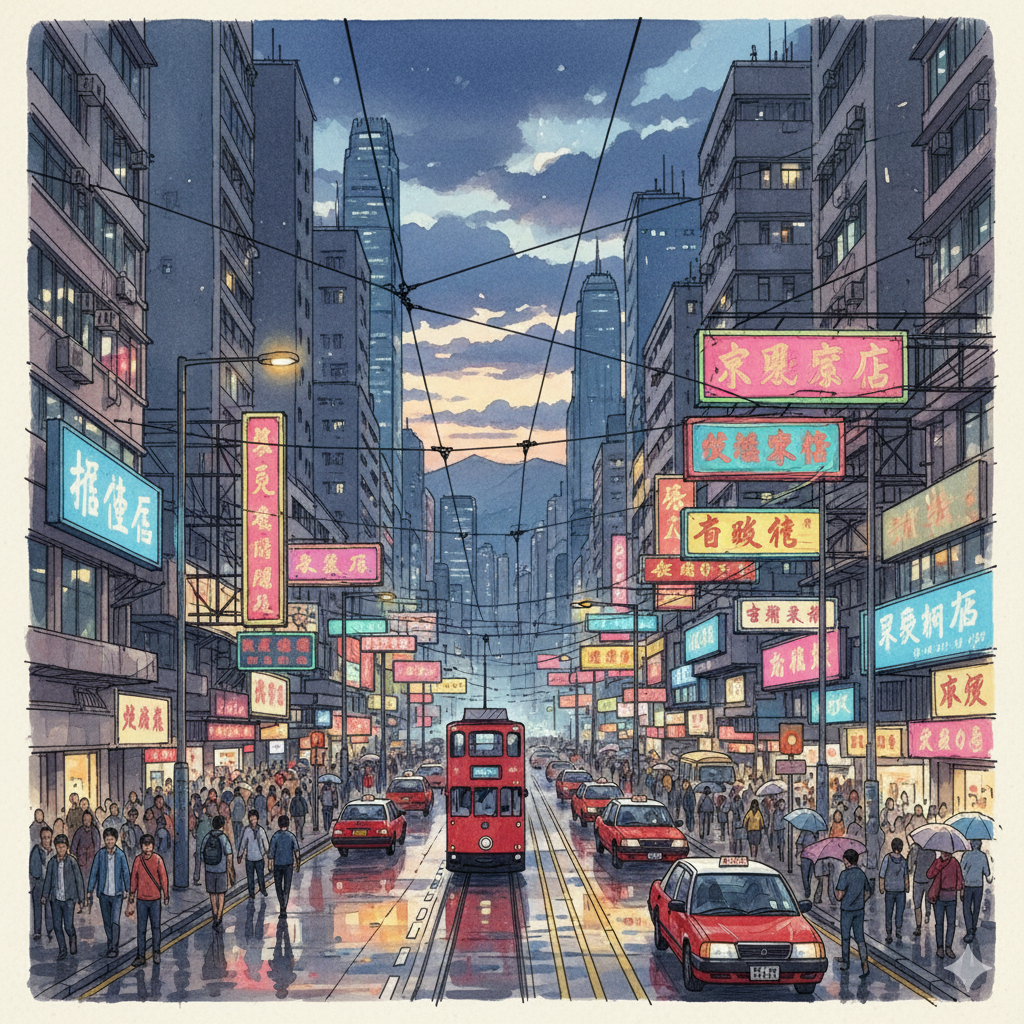
In Hong Kong, Causeway Bay and Happy Valley exist as a pair of tense, twin scenes. The first is a cathedral of commerce, where crowds surge and digital billboards flash across skyscraper facades. The second, a short walk away, is a manicured bastion of colonial leisure and elite entertainment. Together, they project the city we think we know: an unstoppable engine of global spectacle.
But what if this landscape is a mask? What if the familiar slope of a street, the name of a road, or the daily boom of a cannon were actually monuments to forgotten dramas, erased geographies, and moments of intense conflict? The city you see today is built on a foundation of secret scars, born from the tension between its twin souls. Here are five stories, hidden in plain sight, that will forever change the way you walk these streets.
The Fire That Forged a Future: A Tragedy in Happy Valley
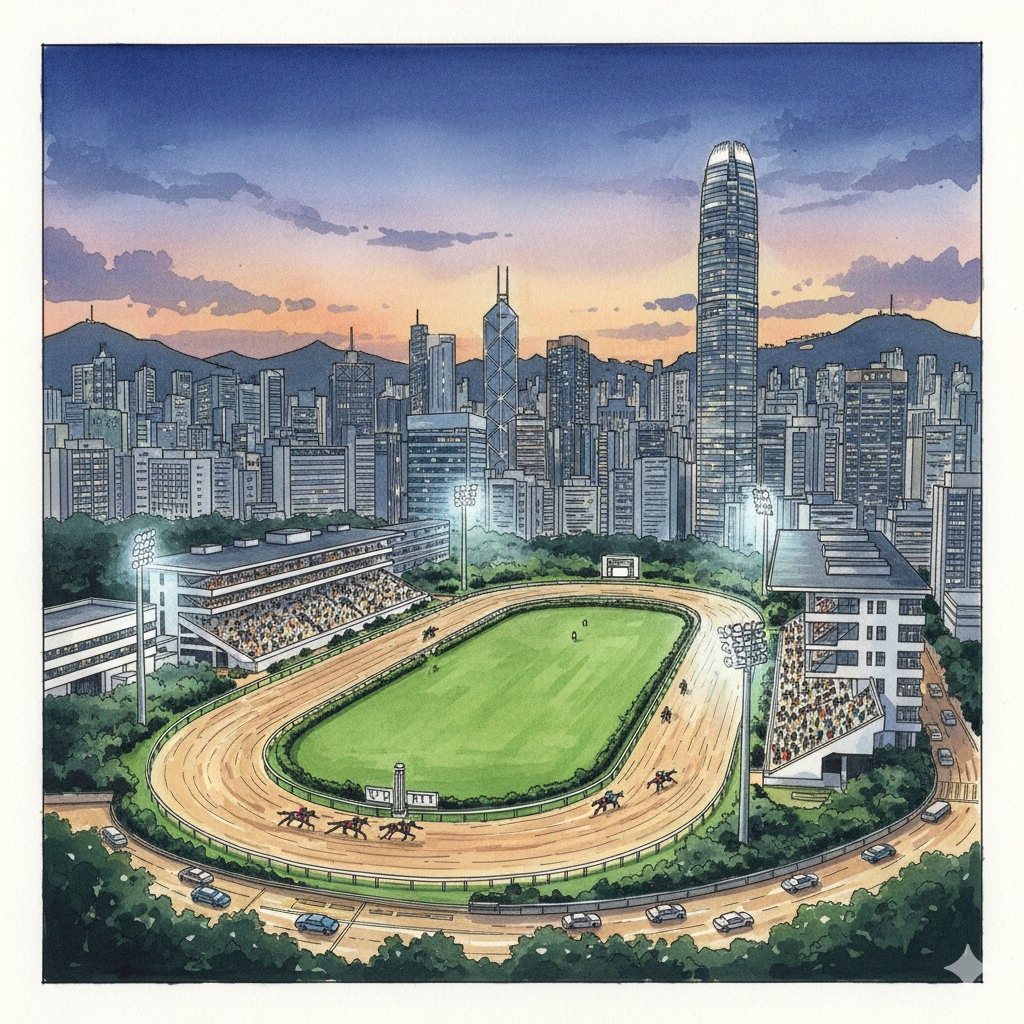
In the early 20th century, the Happy Valley Racecourse was a symbol of colonial power and racial inequality. While the British elite enjoyed premier facilities, Chinese attendees were relegated to substandard, temporary stands. This systemic disregard had catastrophic consequences.
On February 26, 1918, during a packed race day, one of these poorly constructed stands collapsed, knocking over food stalls and starting a horrific fire. The blaze consumed the structure in minutes, killing over 600 people. The overwhelming majority of the victims were Chinese. The tragedy laid bare the colonial government’s indifference to the lives of its subjects and became an undeniable catalyst for change.
The disaster’s shockwave, combined with the subsequent 1925 Canton–Hong Kong strike, awakened a powerful collective consciousness among the city's Chinese population. This gave them the moral and political leverage to demand better treatment. The colonial government, shifting to a softer policy, began to relent. In the years that followed, the Hong Kong Jockey Club, once a bastion of exclusion, was compelled to admit its first Chinese members.
The Happy Valley Racecourse, once a symbol of colonial oppression, was unexpectedly transformed by blood and fire into a testing ground where the Chinese community fought for and won a crucial foothold in shaping their own destiny.
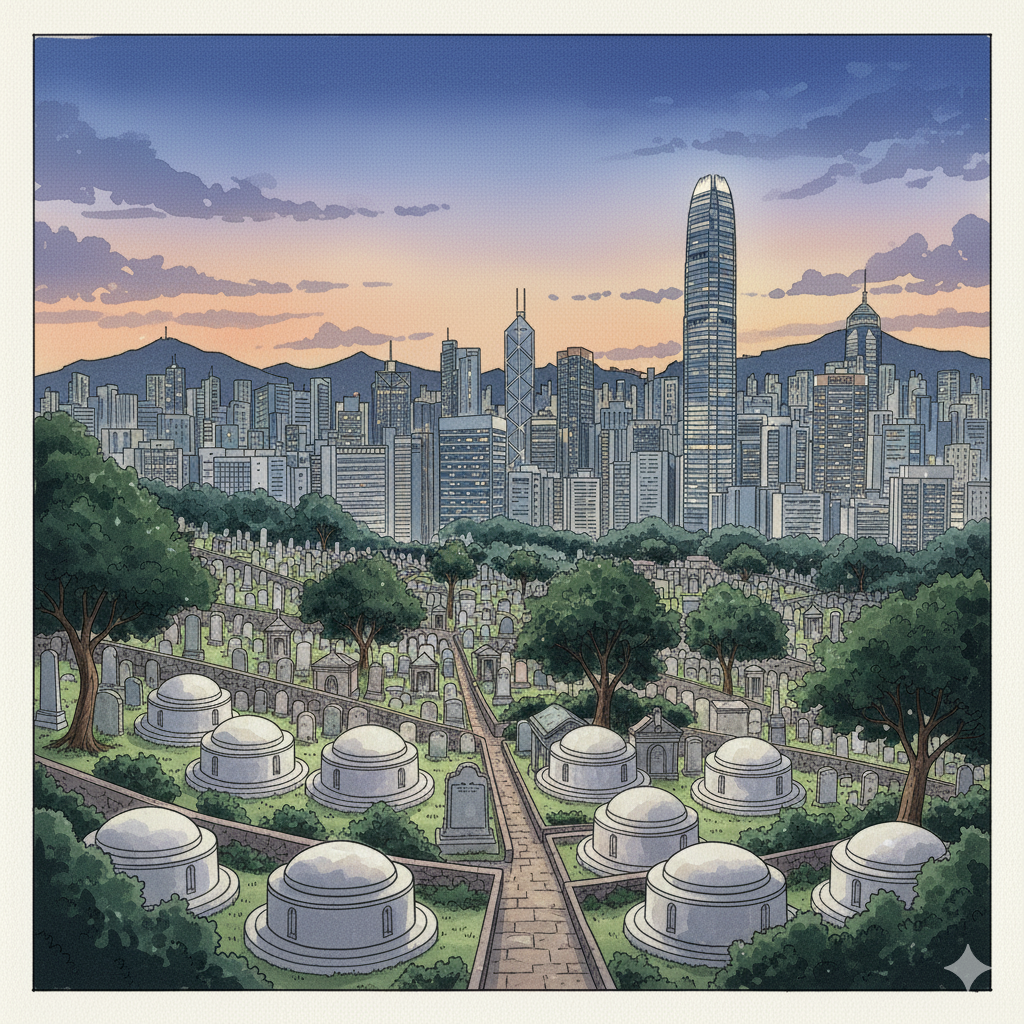
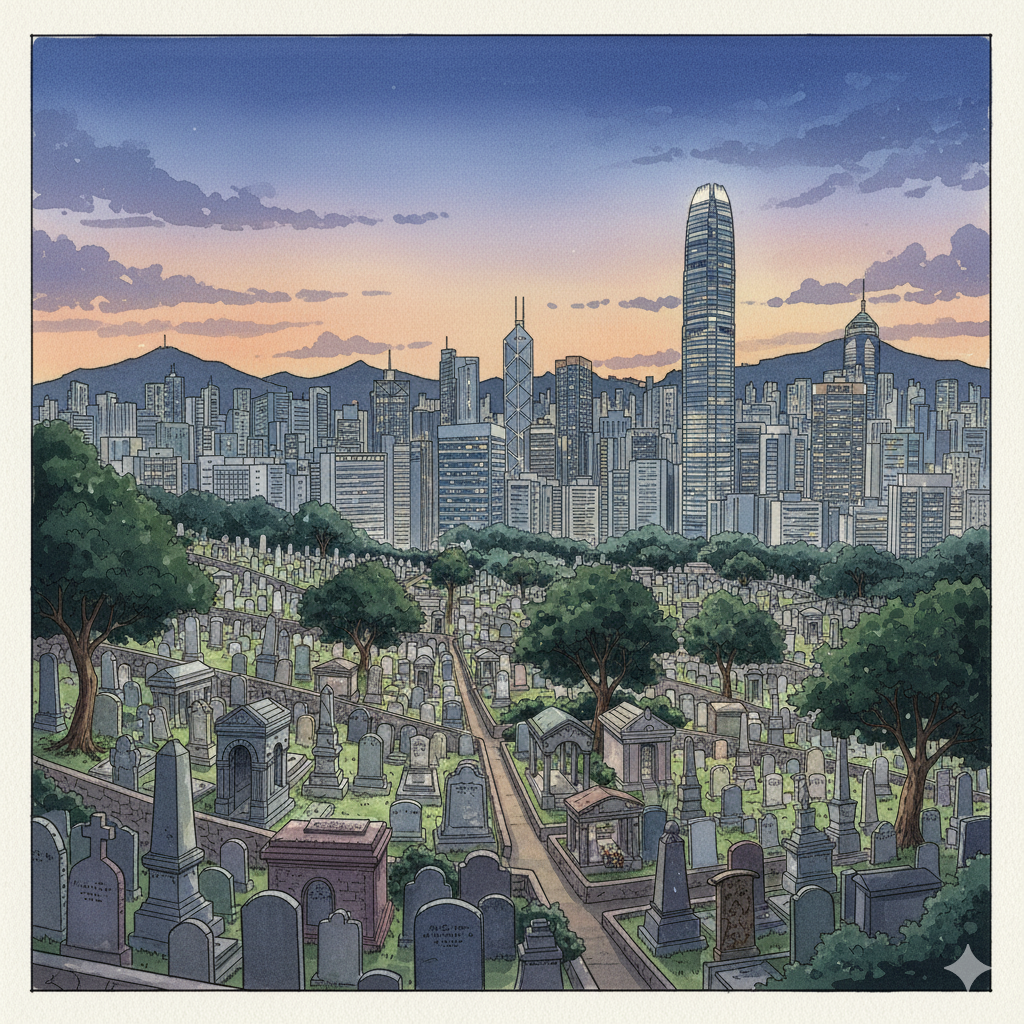
Hidden Gem: The Happy Valley Cemeteries (跑馬地墳場群) serve as a physical archive of the era's rigid social structure. The segregated burial plots—strictly divided by nationality and religion—stand as a silent testament to the very inequality that led to the 1918 disaster.
The Forgotten Faith: A Persian Secret on a Hong Kong Hillside
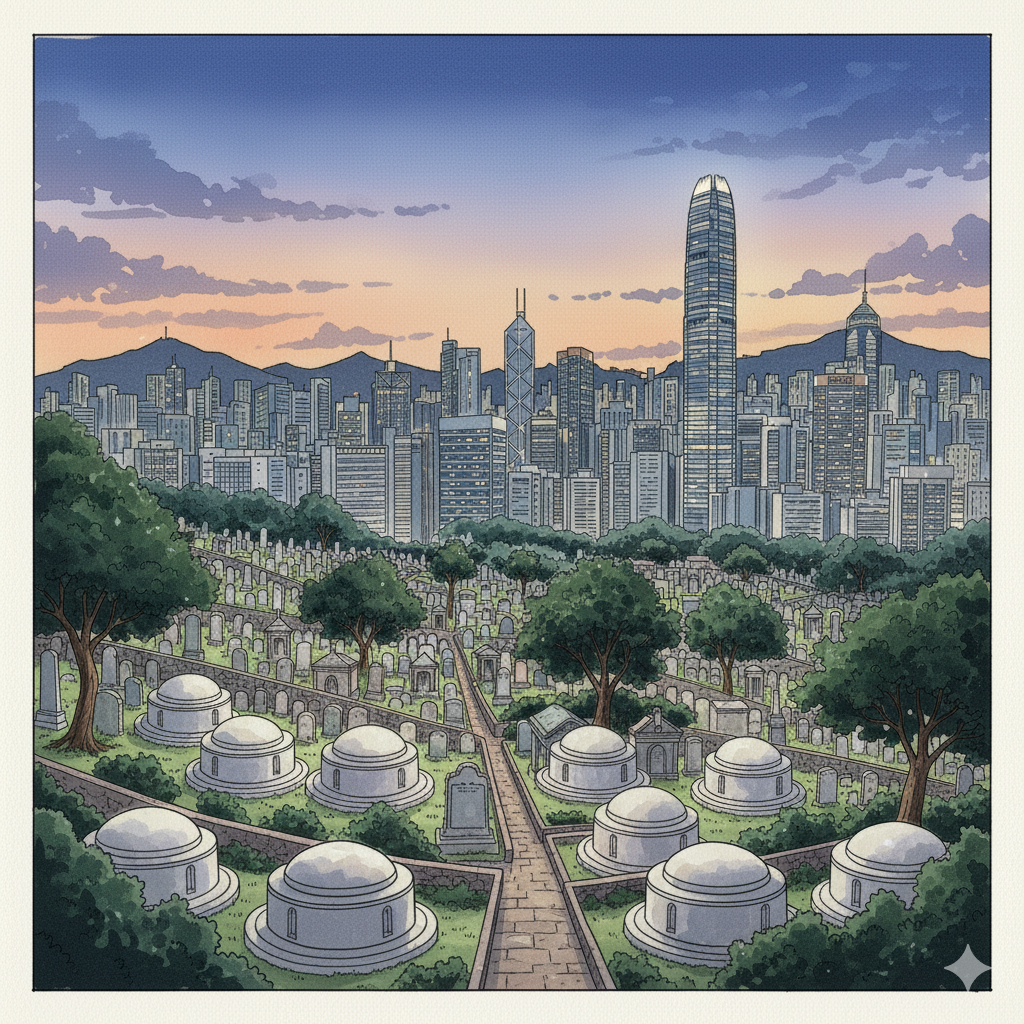
Hong Kong’s story is often told as a simple two-sided affair between the British and the Chinese, but the reality is far more complex. In 1852, long before many other communities, the city’s Parsee population—followers of the ancient Persian religion of Zoroastrianism—were granted land for a cemetery. They became the third group, after the Chinese and British, to receive this recognition.
This community, which arrived via Indian Ocean trade routes, showcased remarkable cultural flexibility. Unable to perform their traditional sky burials, they adapted to Hong Kong’s environment by using earth burial, but with a unique modification: to maintain religious purity, bodies were placed in elevated coffins within the graves. More importantly, they represented a "third force" of multicultural business elites instrumental in the city's development. Figures like Sir Hormusjee Mody, a key founder of The University of Hong Kong, were part of this influential group. Their contributions prove that Hong Kong's global identity was shaped by many hands.
The quiet coexistence of a Persian faith's resting place and a Chinese sea god's temple on the same small hill encapsulates the true, complex multiculturalism at Hong Kong's very foundation.
Hidden Gems: The unique architecture of The Parsee Cemetery (波斯墳場) offers a glimpse into a forgotten chapter of Hong Kong’s history. What makes its location astounding is that on the exact same hillside stands the Tam Kung Temple (譚公廟), a spiritual center for the Hakka community from Huizhou. You can explore this "religious culture trail" on Blue Pool Road (藍塘道) to witness how vastly different faiths share the same small piece of earth.
The Gunshot of Apology: A Corporation's Daily Punishment
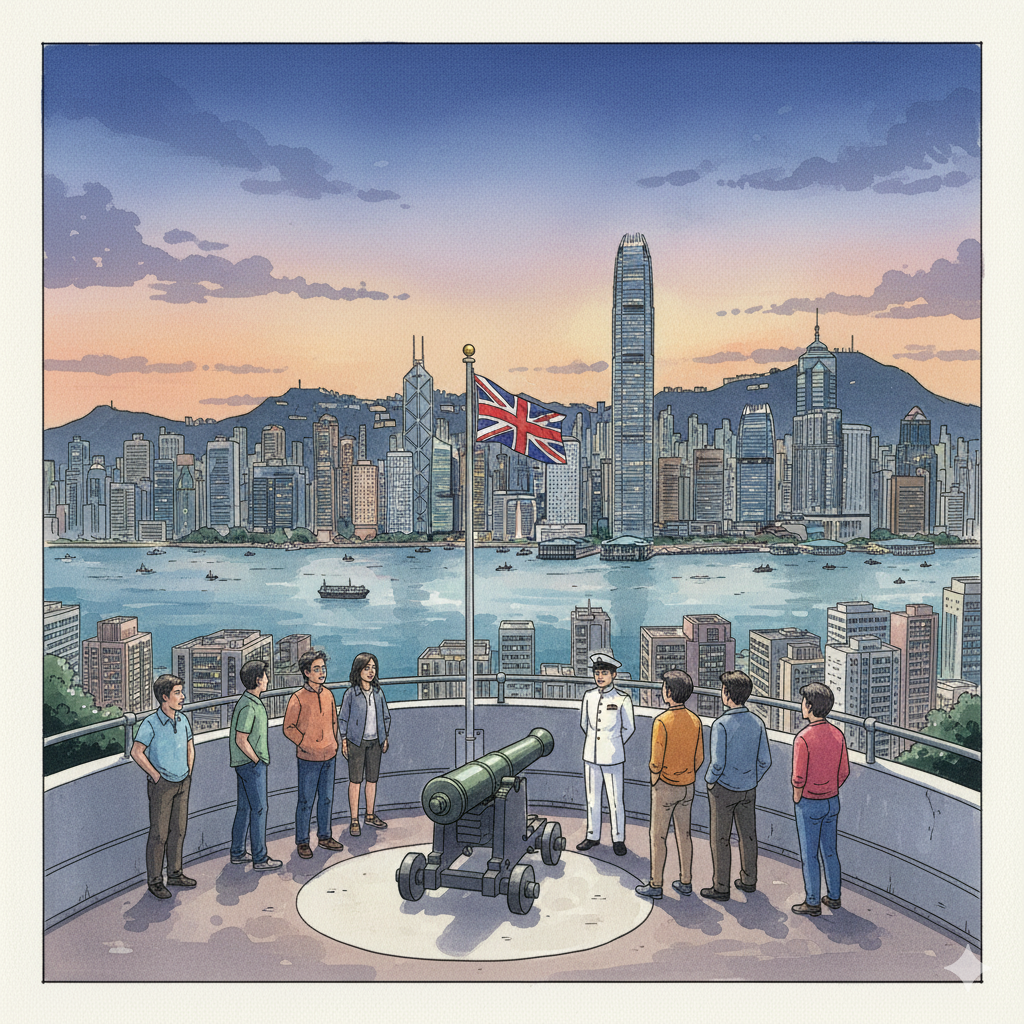
Every day at noon, a single cannon shot echoes acoss Causeway Bay. This is the Noonday Gun, a beloved civic ritual. But its origin is not one of honor, but of punishment.
The story goes that in the 1850s, the powerful trading firm Jardine Matheson committed a serious faux pas. To welcome its returning head, Robert Jardine, the company fired a 21-gun salute from its headquarters at East Point—an honor reserved exclusively for the British military. The military, seeing this as a disrespectful act, devised a unique punishment: Jardine Matheson was ordered to fire a single cannon shot every day at noon, serving as both a time signal and a perpetual apology. The eight bells that precede the shot are another relic, originating from the signal to end the morning’s work at the company’s warehouses.
Over time, this symbol of corporate punishment was absorbed into the city’s daily rhythm. Today, the ceremony has evolved further; since 1989, anyone can arrange to fire the cannon for a donation to the Hong Kong Community Chest.
What began as an instrument of public discipline for a powerful company was gradually absorbed into the city's rhythm, transforming a symbol of colonial authority into a piece of Hong Kong's collective memory.
Hidden Gem: When you visit The Noonday Gun Site (怡和午炮現場), note its location. The cannon sits on what was once the original, prominent coastline of East Point (the old name for Causeway Bay). Picture it: where gleaming towers now stand, there was only the lapping of waves against the shore. You are on the literal edge of 19th-century Hong Kong, a tangible link to the city's pre-reclamation geography.
Walking on Water: The Ghost Coastline Beneath Causeway Bay
Much of the flat, bustling ground of Causeway Bay and Wan Chai didn't exist two centuries ago. It is man-made land, the result of a massive and relentless campaign of land reclamation that can be described as an act of "geographical violence."
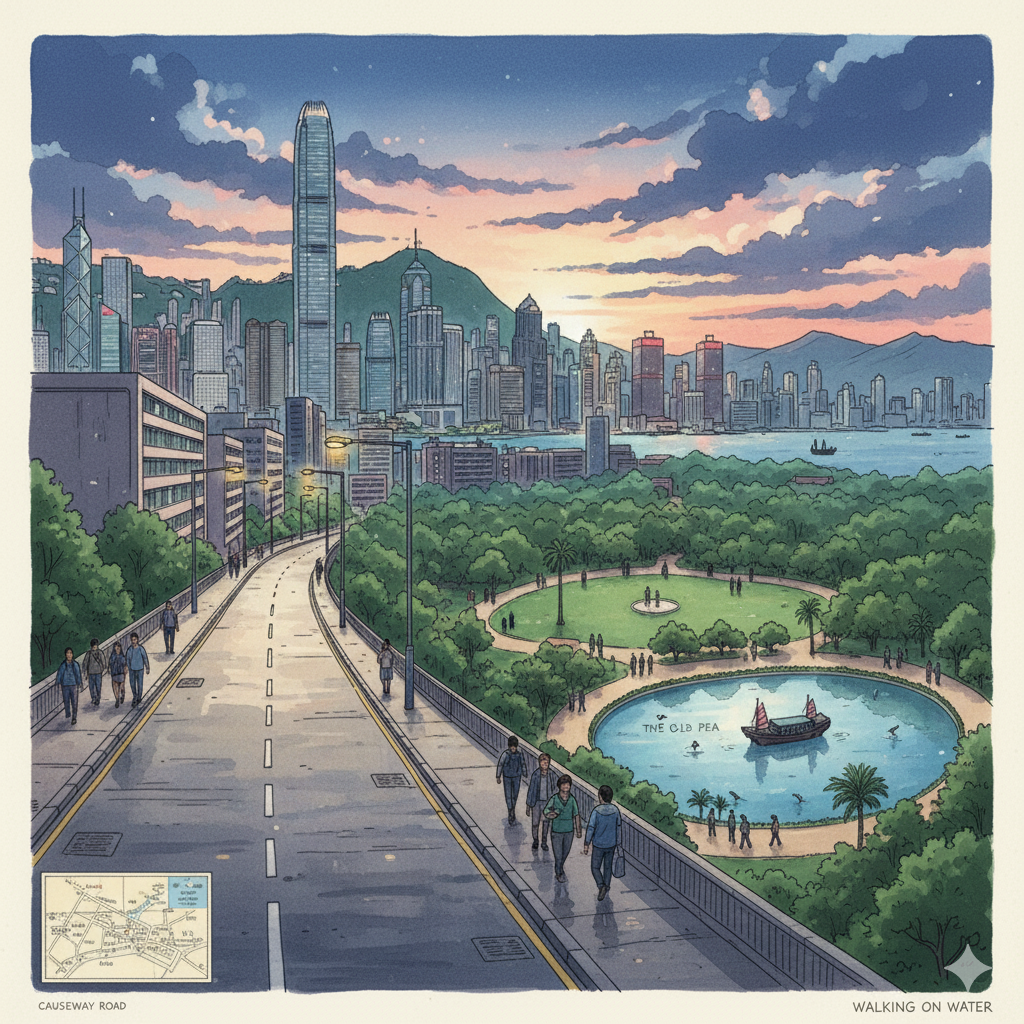
To create this new ground, entire hills like Morrison Hill were quarried and leveled, their rock and soil used to fill in the bay. On its flattened remains, major civic facilities like the Tang Shiu Kin Hospital and Queen Elizabeth Stadium were built. The very names of the streets tell the story. Causeway Road (高士威道), for instance, literally means "sea-wall road," betraying its original function as a barrier holding back the sea. This aggressive urban expansion systematically erased the city's natural memory to make way for development.
The city's relentless drive for expansion created an 'invisible map'—a ghost geography of erased hills and buried coastlines that can only be seen by those who know the story written in the subtle slopes of the streets.
Hidden Gem: Stand on Causeway Road and look towards Victoria Park. You will notice a distinct geographical drop. This subtle change in elevation is the last visible evidence of the old sea wall (the road you're standing on) and the low-lying marshland (now the park) that once defined the bay’s edge. You are, in effect, walking on water.
The Unyielding Temple: A Family's Stand Against the Empire
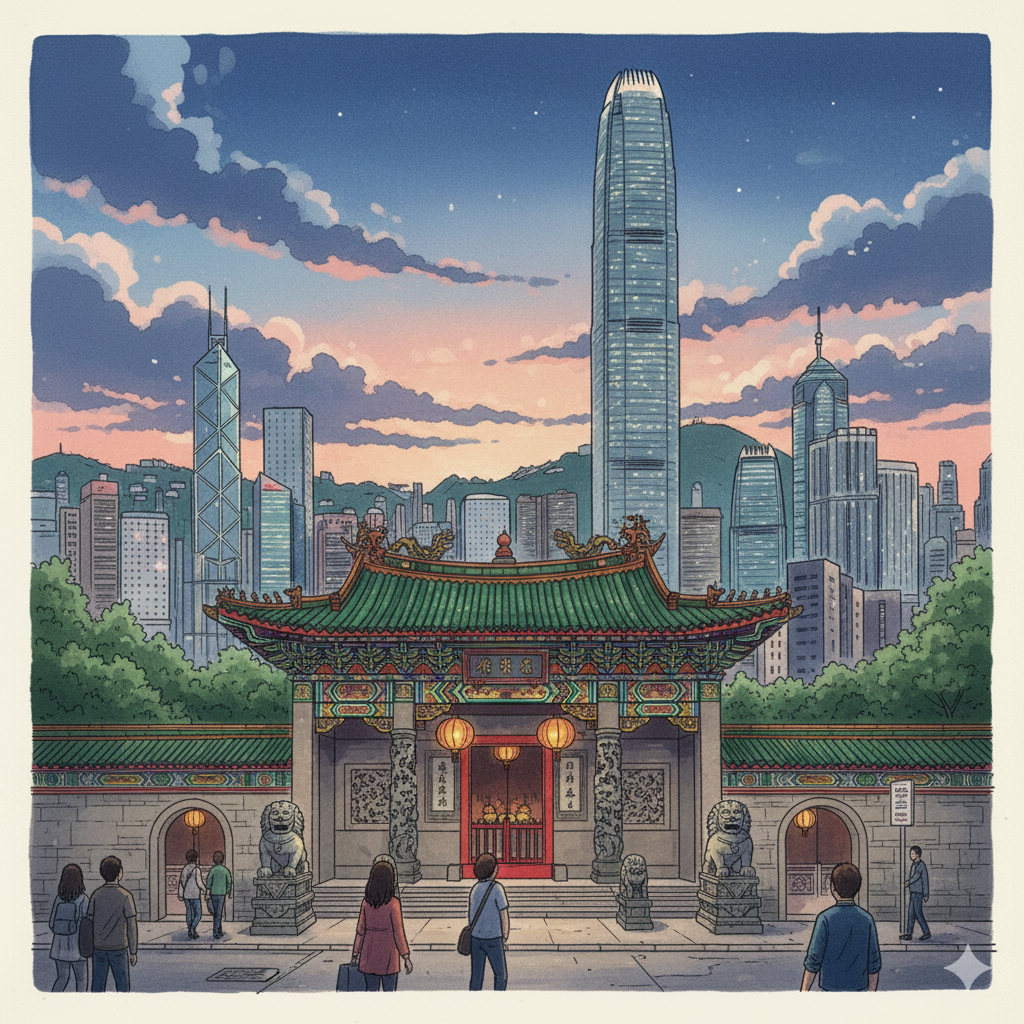
Imagine the audacity. In 1928, at the height of colonial power, a single Hakka family stood their ground against the British Empire—and won. Amid the soaring skyscrapers of Causeway Bay sits the small, quiet Tin Hau Temple, a monument to their resilience.
Its story begins in the early 18th century. According to legend, a member of the Dai (戴氏) clan, who often came to the shore to cut grass, found a divine statue washed up on the beach. He built a shrine for it, and as its fame grew among local fishers, the family raised funds to build the temple that stands today. Its old name, "Red Incense Burner Temple at Salt Vender's Bay," points to a time when this area was a harbor filled with fishing boats.
But its most remarkable story is one of legal defiance. When the colonial government passed an ordinance in 1928 to seize control of most Chinese temples, the Dai clan fought back, successfully arguing for an exemption. To this day, the Causeway Bay Tin Hau Temple remains the private property of the Dai clan—an almost unique exception in Hong Kong.
In the heart of one of the world's most expensive commercial districts, this small temple stands not just as a place of worship, but as a living monument to the enduring power of family lineage and cultural identity against the forces of colonization and modernization.
Hidden Gem: Visit The Tin Hau Temple in Causeway Bay (銅鑼灣天后廟) and simply observe. The stark visual contrast between the ancient, ornate temple and the towering modern buildings that surround it tells a profound story. This is not a museum piece; it is living history, still managed and cared for by the descendants of its original founders.
Read the Streets
The true, deep story of a city like Hong Kong isn't only found in museums or history books. It is written into the landscape itself—in the subtle slope of a road, the name on a cemetery gate, the echo of a daily cannon, and the quiet defiance of a small temple.
The next time you walk through a familiar city, what hidden stories will you look for?
Work Cited:
香港賽馬場的華洋風景(1841-1945) = The Multicultural Image in ..., 檢索日期:10月 20, 2025
怡和午炮- 維基百科,自由的百科全書, 檢索日期:10月 20, 2025
跑馬地馬場大火- 維基百科,自由的百科全書, 檢索日期:10月 20, 2025
波斯墳場-香港文化古蹟資源中心,檢索日期:10月 20, 2025
從街道建築找歷史: 跑馬地藍塘道 - Soldier 的世界, 檢索日期:10月 20, 2025
〈好遊〉百年歷史怡和午炮 - Now 新聞, 檢索日期:10月 20, 2025,
香港填海工程 - 維基百科, 檢索日期:10月 20, 2025
地圖-地動山移(無障礙瀏覽版本) - 香港記憶, 檢索日期:10月 20, 2025
香港記憶|灣仔填海史大半填海得來 - 星島頭條, 檢索日期:10月 20, 2025
唔好意思- 移山填海170年, 檢索日期:10月 20, 2025
銅鑼灣天后廟 - 香港記憶, 檢索日期:10月 20, 2025
香港隐藏景點|IG网美热门推荐必去香港打卡地点,超过8个超人气推荐懒人包,灣仔歷史文物徑与銅鑼灣天后廟等 - KKday, 檢索日期:10月 20, 2025