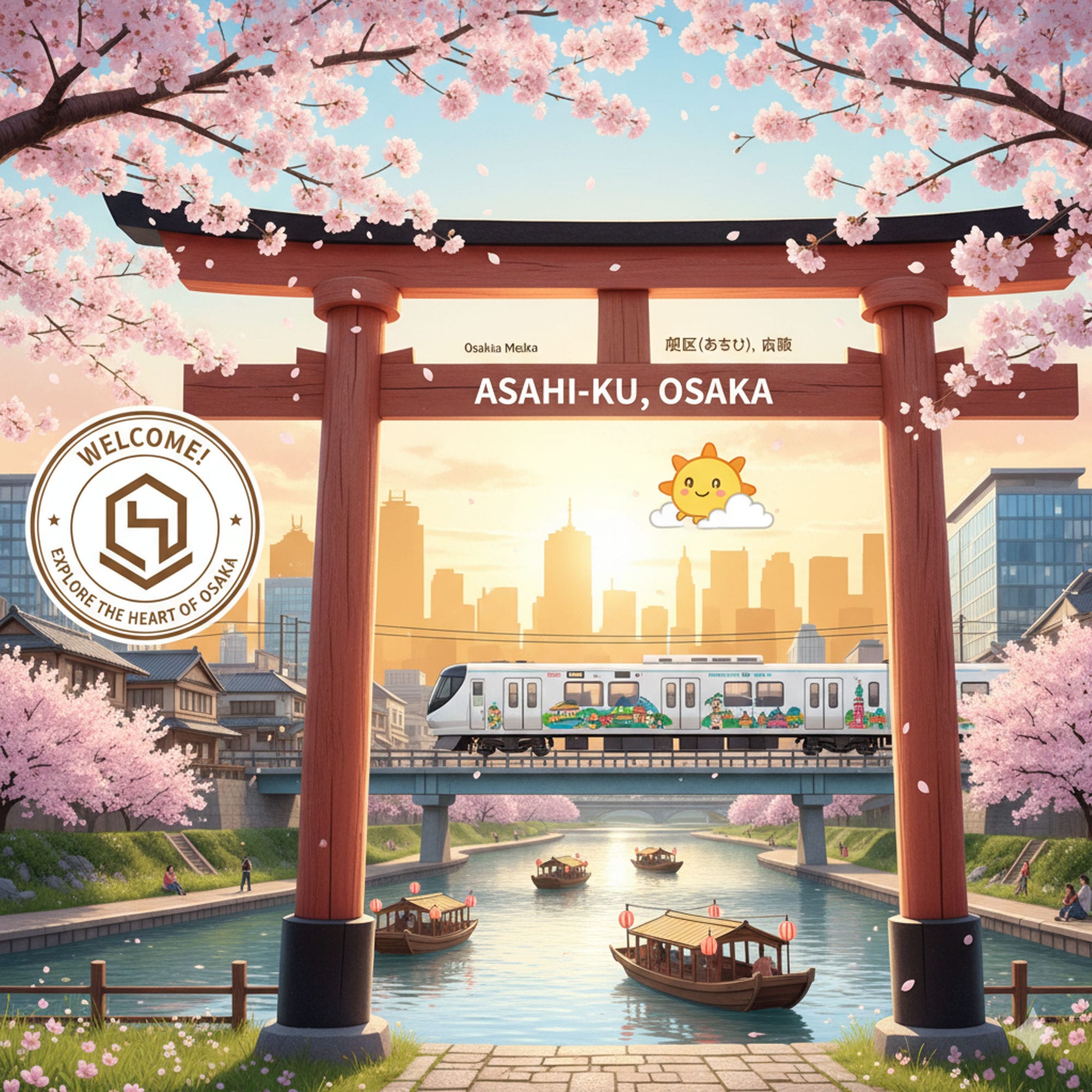
(ENG) Beyond the Neon: A Poet, a God, and Other Lost Stories of Osaka
Woven together, these five narratives tell the true story of Asahi Ward—a testament to resilience, vision, and the profound beauty found in the authentic and the local. It is a story of a community that transformed a treacherous riverbed into a green oasis...

Listen attentively to the fascinating stories of tourism history
The City You Don't Know
When you think of Osaka, what comes to mind? Perhaps it’s the kinetic energy of Dotonbori’s neon signs, the towering Osaka Castle, or the endless culinary delights that have earned it the title "Japan's Kitchen." It is a city of vibrant, almost overwhelming commercialism, a place defined by its bustling tourist hotspots. But this is only one side of its story. Far from the crowded center lies a different Osaka, a place whose history is written not in grand monuments, but in the quiet resilience of its everyday landscapes.
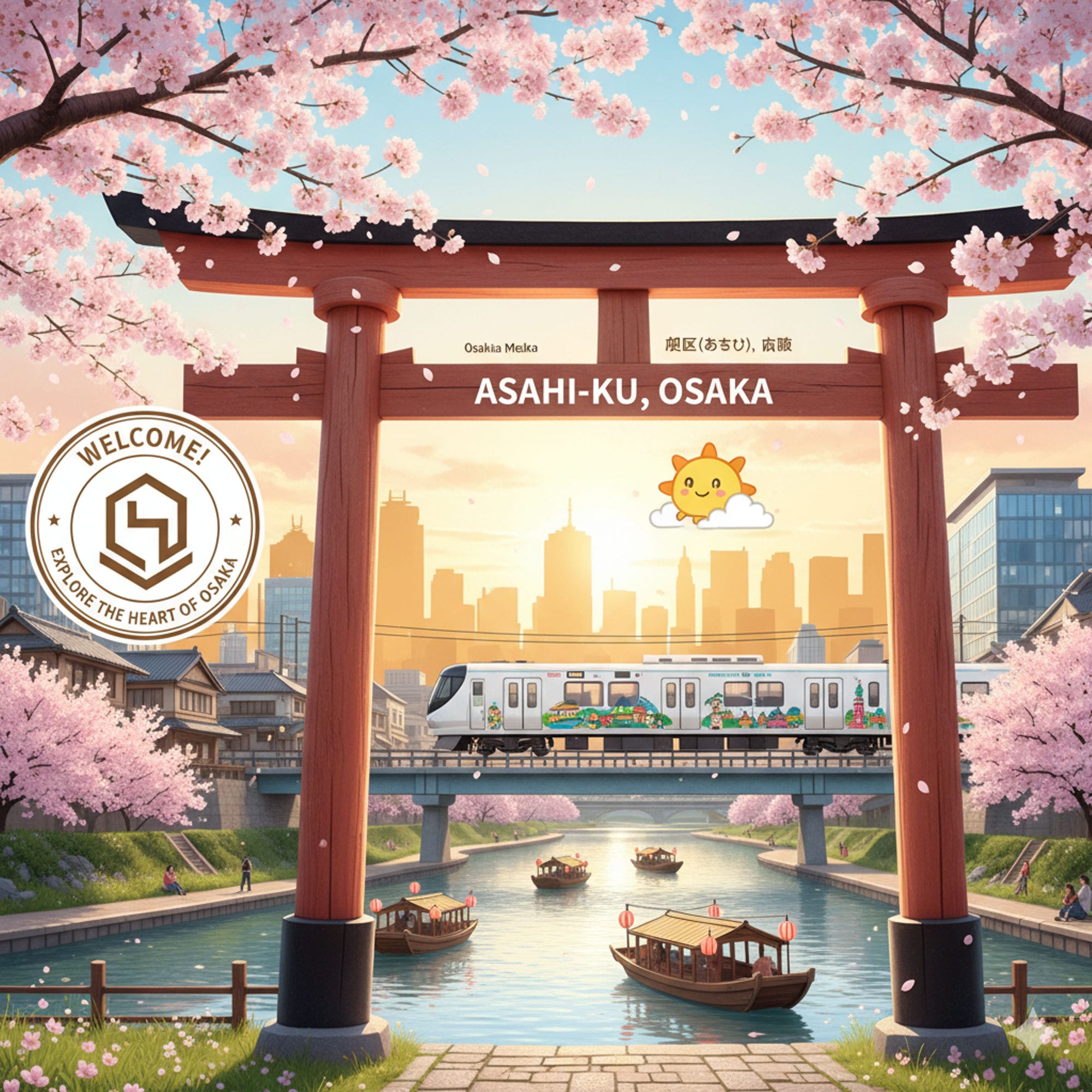
This is the story of Asahi Ward, a district often overlooked. Its name, meaning "Rising Sun," was chosen with intention, hinting at a profound narrative of hope and transformation forged from a difficult past. Here, the city’s authentic soul is not on display in a museum but is woven into the very fabric of the community.
We will explore five hidden epics that reveal this deeper identity. These are the stories of Water, of how a violent riverbed was tamed into an urban oasis; of Gods, where a local shrine nurtured the genius of a great poet; of Markets, where the unbreakable spirit of the commoner echoes in a bustling shopping street; of Trees, where a sacred camphor stands as a silent witness against time; and of Names, where a simple word became a declaration of a community's shared future. Together, these threads form a hidden tapestry of a more authentic Osaka.
The Water Symphony: From Violent Riverbed to Urban Oasis
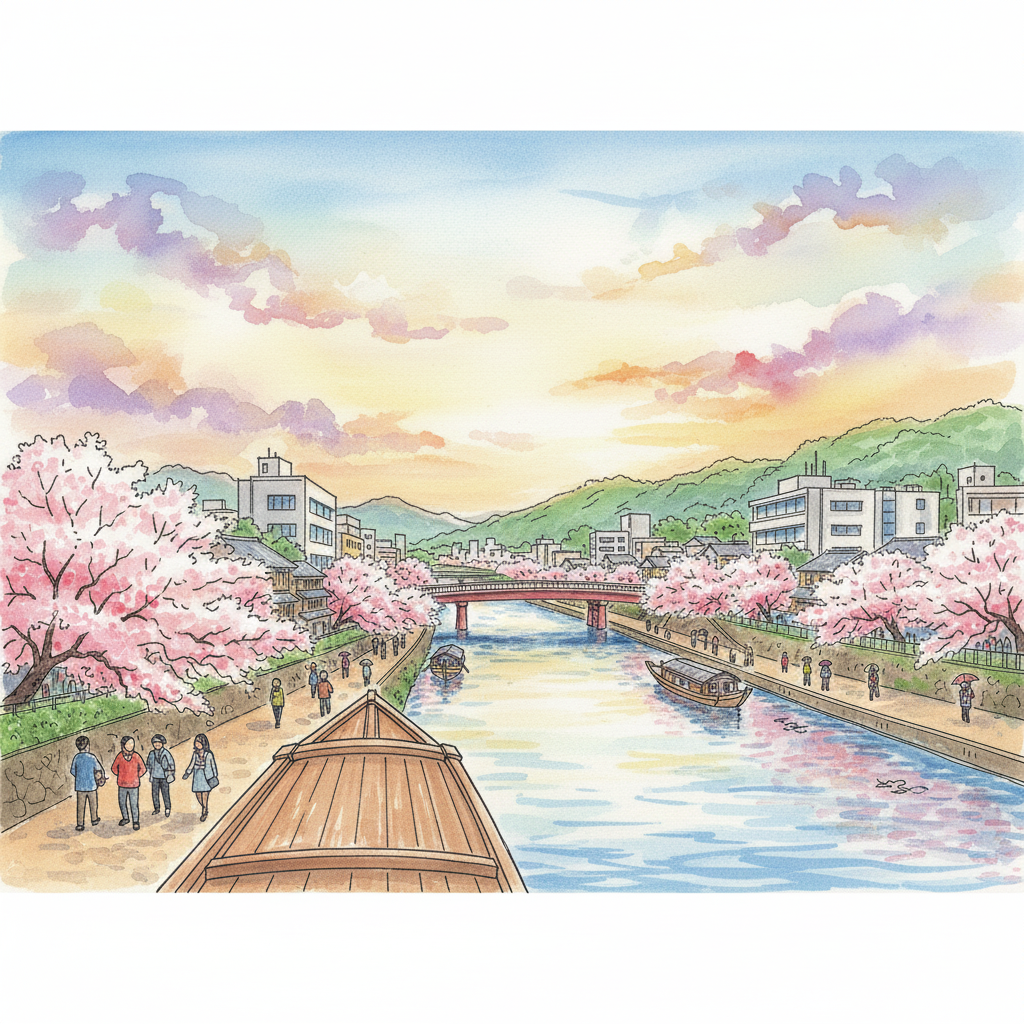
The very ground beneath Asahi Ward tells a story of struggle and reconciliation. Its foundation is not ancient stone but reclaimed land, once an untamed, flood-prone riverbed of the mighty Yodo River. For centuries, this was a place of potential disaster, a landscape defined by the difficult, often violent, relationship between humanity and water. The ward's origin is, therefore, an epic of taming nature itself.
Out of this turbulent history emerged the area's hidden gem: Shirokita Park and the Shirokita Wando ecosystem. Established in 1934 on the very land that was once a threat, the park stands as a powerful symbol of transformation. It is a testament to the human will to turn an uncontrollable natural force into a space of controlled, cultivated beauty. The park’s famous iris garden is the pinnacle of this achievement, showcasing approximately 250 varieties and 13,000 individual plants—a living masterpiece of Japanese horticultural art.
Yet, a deeper secret lies just beyond the manicured flowerbeds in the surrounding Wando. These river ponds represent a profound narrative shift, where the unintended byproducts of industrial progress have become priceless ecological sanctuaries. Far more than mere leftovers from civil engineering, they are now quiet havens for rare native fish species, including the delicate Shirohiretabira, which find refuge in these sheltered waters.
Here, in the delicate balance between a formal garden and a wild ecosystem, we find a profound truth. A city's greatest beauty can often emerge from its oldest scars, turning sites of historical struggle into places of serene, life-affirming coexistence with the natural world.

The Poet's God: A Summer Pact Between Deity and Haiku Master
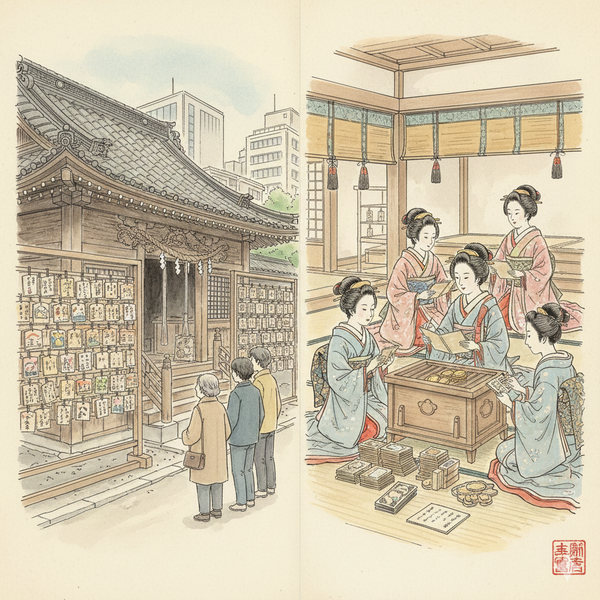
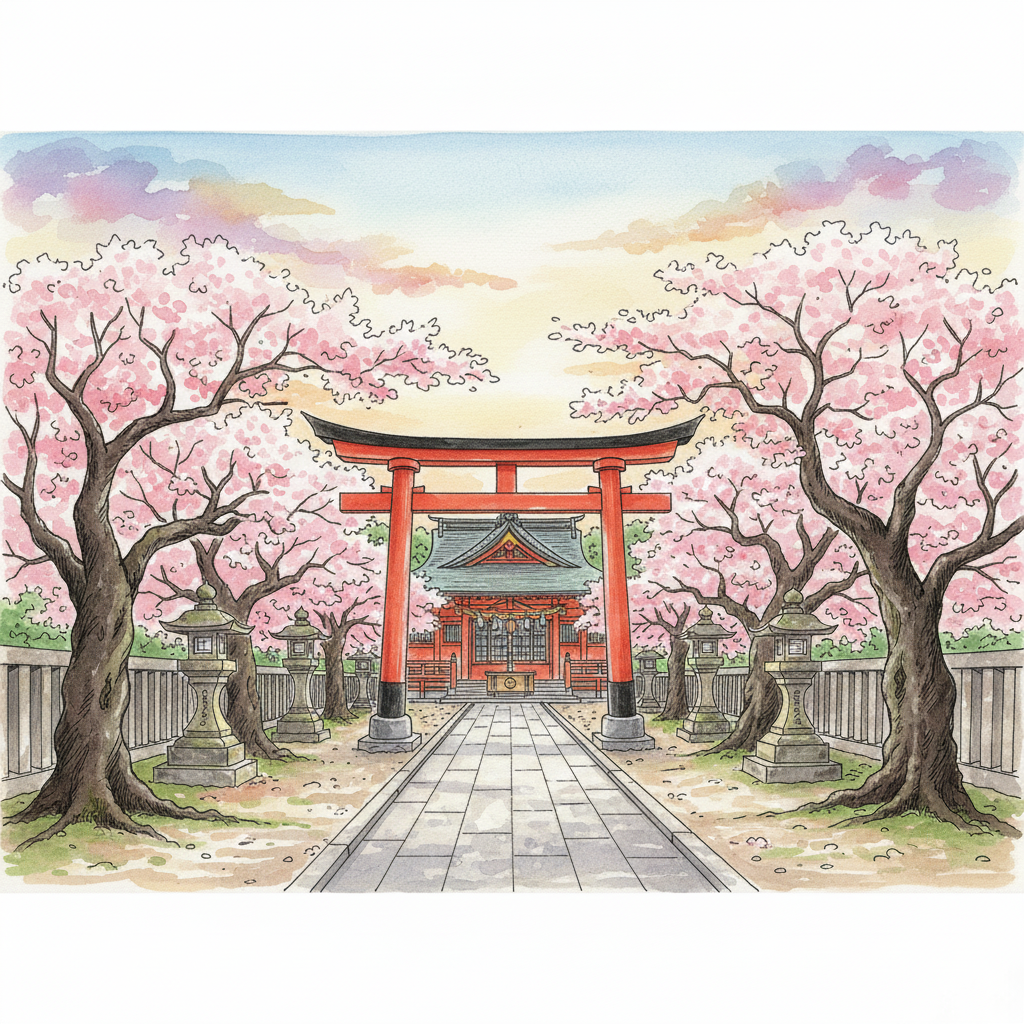
Ancient shrines are the spiritual anchors of any Japanese community, and Yodogawa Shrine, home to 15 distinct deities, has long served as the center of local faith in Asahi. But its importance transcends simple worship; it is a sacred space where the divine and the literary once met, shaping the soul of one of Japan’s greatest artists.
The shrine’s hidden gem is its profound, personal connection to the childhood of the great haiku master, Yosa Buson. A towering figure in Japanese literature, whose fame is on par with that of Matsuo Basho, Buson grew up nearby. He considered the shrine’s lively annual summer festival a cornerstone of his childhood, a formative experience that he later recalled as one of his most important memories. It was in this seemingly ordinary local setting that his uniquely sensitive artistic vision was first nurtured and sharpened.
This connection transforms the shrine from a mere religious site into a "literary landscape." To walk its grounds is to trace the footsteps of a poetic genius, to stand where he stood and perhaps feel a glimmer of the inspiration he found in the festival's vibrant energy. Visitors today can still experience the summer festival held each July, a tradition that has been faithfully maintained for centuries.
It is a quiet reminder that the most sacred grounds are often not the most famous ones. The unassuming places of our youth—a local park, a neighborhood temple, a quiet street—can become the crucibles where our creative identities are forged, leaving an indelible mark on who we become.
The Unbreakable Spirit: An Epic of Everyday Life in a Shopping Street
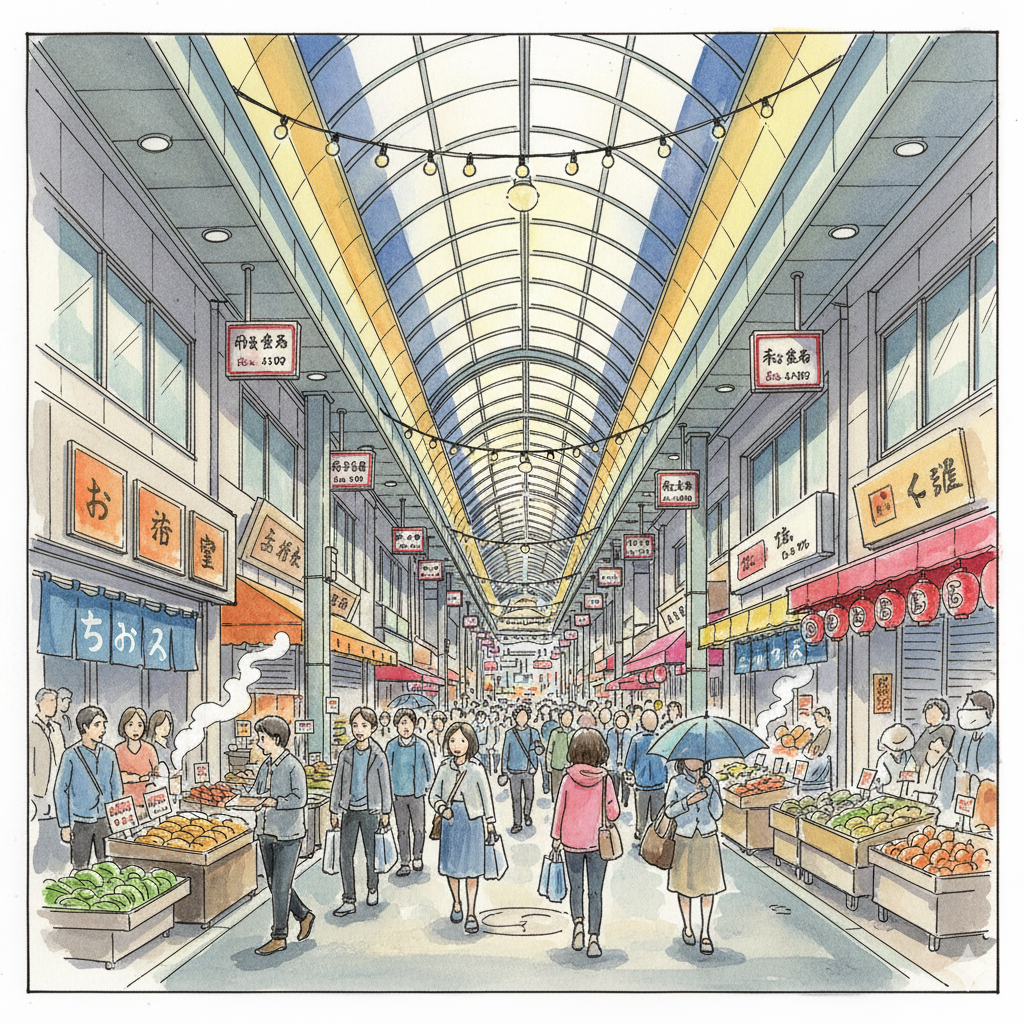
Osaka is renowned for its pragmatic, resilient "commoner spirit" (庶民精神), a force of nature that thrives on energy, community, and the simple joy of a good bargain. While this spirit can be felt throughout the city, there is one place in Asahi Ward where it is distilled into its purest, most vibrant form.
This place is Sembayashi Shopping Street, the ultimate embodiment of Osaka’s unyielding commercial soul. Its enduring vibrancy is no accident. Thanks to its strategic location between two major train lines, the street has long been a hub of local life. While modern retail pressures have hollowed out many similar places, Sembayashi continues to thrive, powered by its famous and energetic "barking" (叫賣) sales culture. The air hums with the overlapping, rhythmic calls of vendors hawking their wares, the clatter of goods changing hands, and the good-natured laughter of shoppers—a symphony of authentic commerce. It remains a place of connection, regularly hosting community events like the Sembayashi Festival.
To walk down this street is to step into a living museum, a time capsule of authentic local life. It stands in stark, unpolished contrast to the curated, tourist-centric districts in central Osaka. This is not a performance for visitors; it is the real, unvarnished rhythm of the city.
This epic of the everyday teaches us that a city's true heart often beats strongest not in its silent monuments, but in the noisy, joyful, and resilient pulse of its local markets, where the simple act of commerce becomes an expression of community identity.
The Living Witness: A Sacred Tree's Silent Stand Against Time
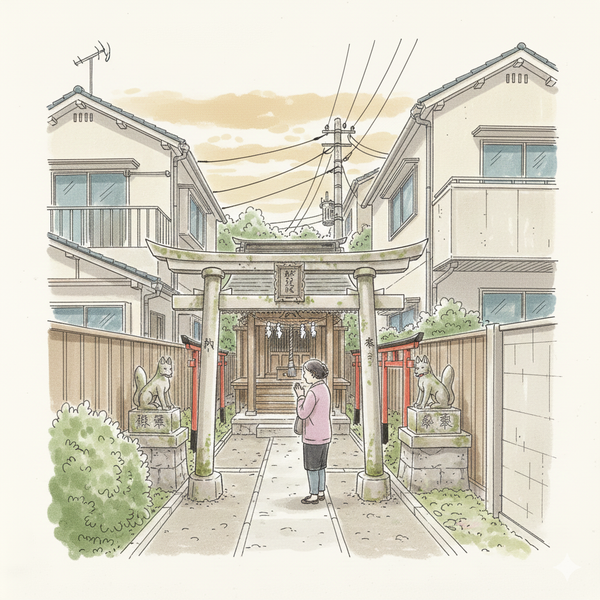
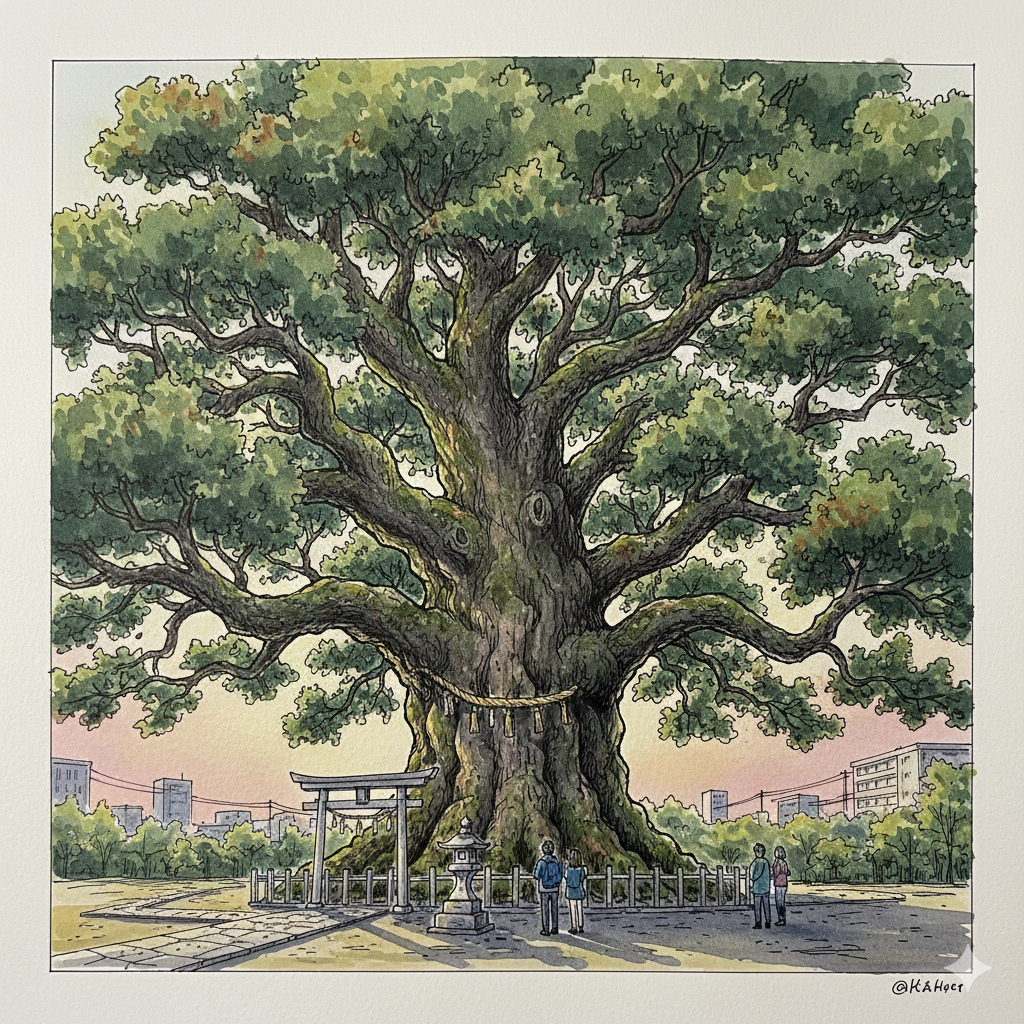
In the Shinto faith, some trees are more than just plants. They are goshinboku—sacred vessels, dwellings for the gods themselves. Giant camphor trees (大楠) are especially revered as symbols of longevity and permanence, spiritual anchors connecting the earthly and the divine.
In Asahi Ward, one such being stands in defiant contrast to its modern, urbanized surroundings: The Great Camphor of Imaichi (今市大楠). This ancient tree is a spiritual landmark, a silent witness to centuries of change. Surrounded by homes and concrete, its sheer presence forces a pause, a moment of reflection on the passage of time and the endurance of the sacred. The story of its survival is a lesson in values.
The decision to preserve this ancient lifeform in the midst of dense urban development represents a profound "philosophy of leaving blank space" (留白哲學)—a conscious choice to honor the sacred and the timeless over the purely functional.
This act of preservation is a powerful statement. In a city where every square meter is valuable, the community chose to leave this space for something ancient and alive. The Great Camphor of Imaichi is not just a tree; it is a monument to what a city chooses to remember.
Its quiet existence teaches us that the soul of a place is revealed not only by the towers it raises, but by the sacred things it refuses to tear down. The empty space around this tree speaks volumes, revealing a deep and abiding respect for a history that predates the pavement.
The Rising Sun's Promise: A Name Forged in Hope and Modernity
Asahi Ward was officially established in 1932, and its name was not chosen by chance. "Asahi" was a deliberate and powerful choice, meant to evoke the image of a "rising sun" (旭日昇天) and inspire a sense of limitless potential and a bright future for this new district of Osaka.
This optimistic branding conceals the ward's most captivating starting point: a deep tension between hope and history. The name was a defiant act of collective will, a declaration of intent to overcome its historical limitations as a geographical fringe and a difficult area for water control. It was a promise made to the residents of a new district carved from what was once a flood-prone riverbed.
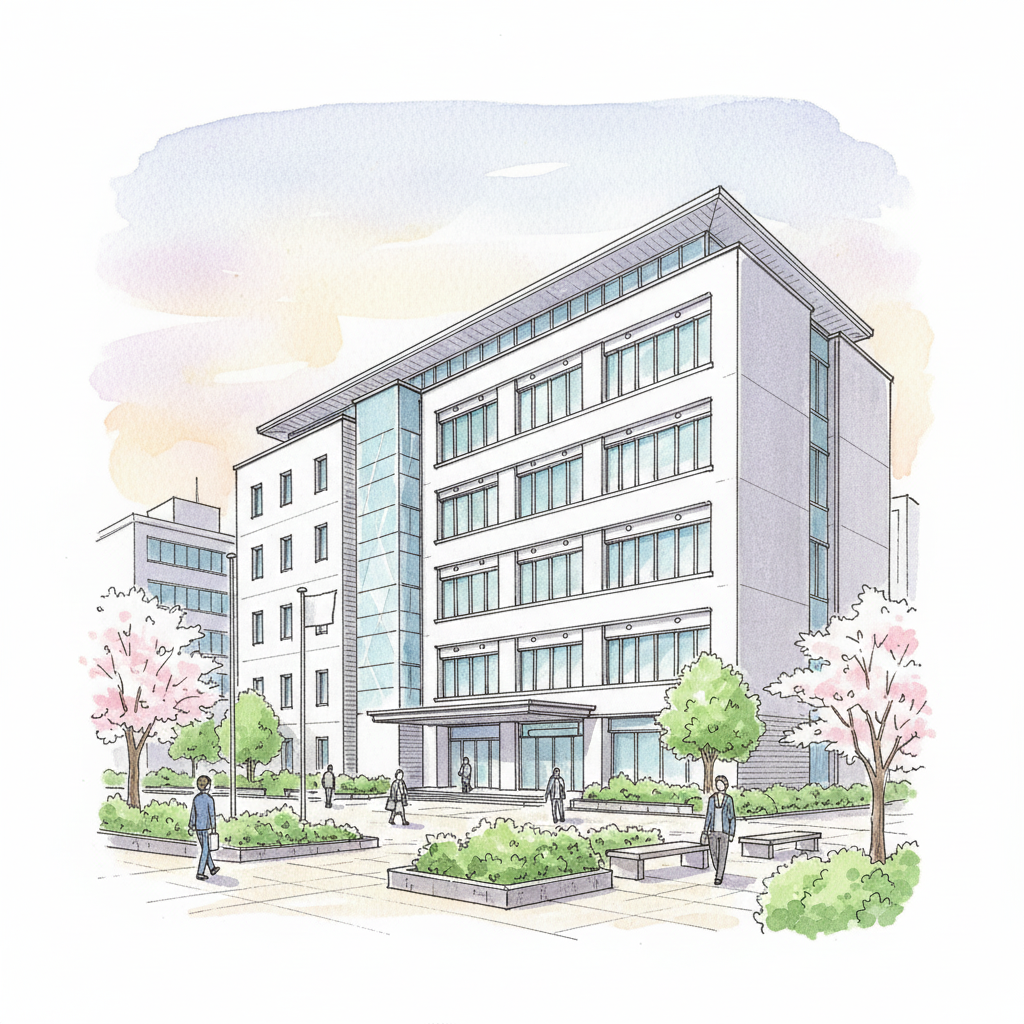
The hidden gem of this narrative is found not in an ancient site, but in the very symbols of that modernizing spirit: the Asahi Ward Office and its surrounding cluster of early Showa-era public buildings. Structures like the ward office, the police station, and the library were the physical embodiment of that forward-looking vision. Their practical, modern designs represent the transition from traditional villages like Shirokita, Furuichi, and Shimizu into a cohesive, modern administrative center under a single, forward-looking identity.
This story reveals that names are more than mere labels. They are tools of creation, declarations of identity that can rally a community and shape its destiny. The name "Asahi" was not just a description; it was the first chapter in a story of urban ambition and collective hope.
The Stories Waiting Beneath the Pavement
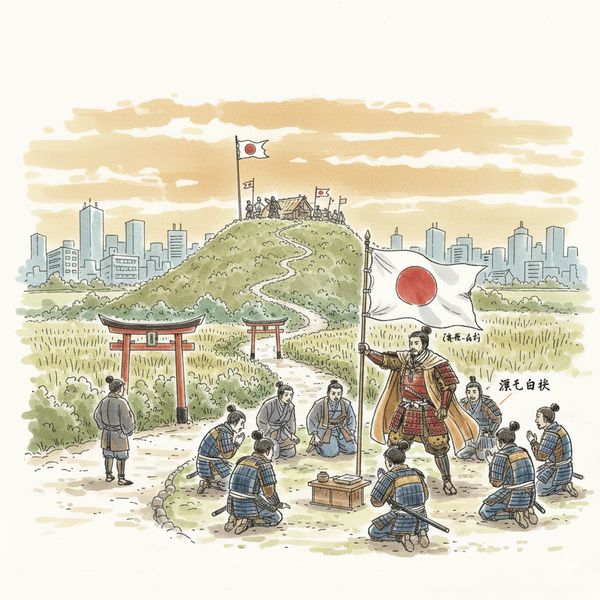
Woven together, these five narratives tell the true story of Asahi Ward—a testament to resilience, vision, and the profound beauty found in the authentic and the local. It is a story of a community that transformed a treacherous riverbed into a green oasis, that honors the grounds where a poet’s soul took flight, that celebrates the unyielding spirit of its markets, that preserves its sacred natural monuments, and that built its future on a name filled with hope.
This journey through Osaka's "Ward of the Rising Sun" leaves us with a powerful understanding: the true character of any city is often found not in the glaring light of its famous landmarks, but in the quiet corners that mainstream tourism overlooks. These are the places where history is not just remembered, but lived every day.
What hidden epics lie dormant in the quiet corners of our own cities, waiting to be rediscovered?
Works Cited:
- Asahi-ku (Osaka City)
- History of Asahi Ward
- Shirokita Park | Tourist Attractions & Experiences
- Shirokita Park | Tourist Attractions & Experiences
- Yodogawa Wando Group
- Yodogawa no Wando
- Yodogawa Shrine | Tourist Attractions & Experiences
- Asahi-ku (Osaka City) - Wikipedia
- The 48th Sembayashi Festival
- Atami Kinomiya Shrine
- Great Camphor of Matsuo Shrine
- Shrine and Temple Ranking of Miyakojima & Asahi Wards
- Great Camphor of Karita