(ENG) From Sacred Shores to Concrete Jungles: Suminoe,a Secret History of Osaka
The history of Suminoe is a constant, powerful dialogue between human ambition and the natural world. Its story is told not just in books, but in the land itself—a living museum preserving the memory of gods, poets, merchants, and soldiers. Each layer of earth tells of a different era...

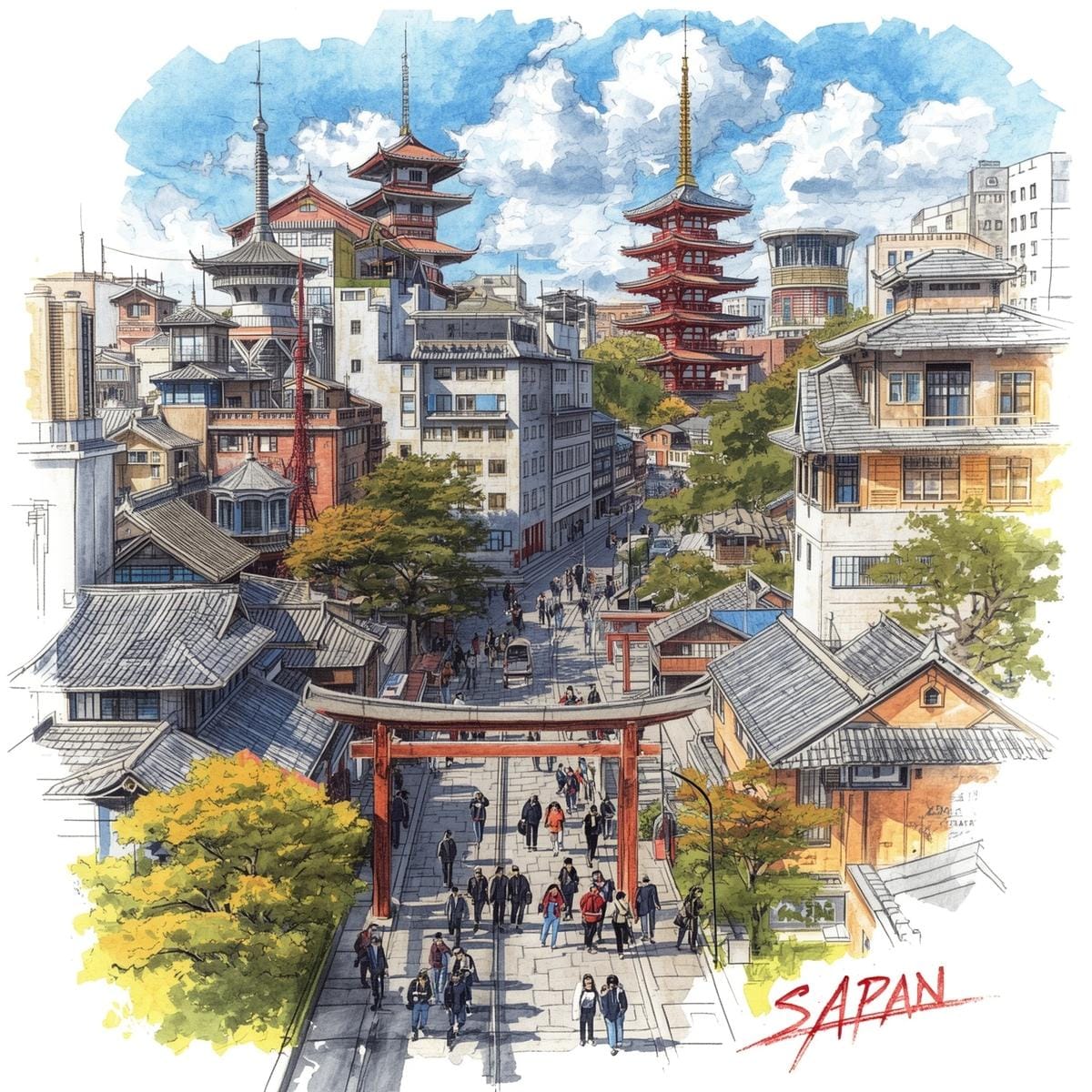
Listen carefully to the story told in detail
Introduction: The City on a Shifting Sea
When one thinks of Osaka, images of a gleaming, modern metropolis often come to mind—a vibrant hub of commerce and contemporary culture. But beneath the concrete and steel of its southern Suminoe ward lies a different story, a geographical epic written in layers of mud, verse, canals, and ambition. This is not just a district; it is a battleground where the coastline has been a constantly shifting frontier between the natural world and human will.
For centuries, the land here has been created and recreated, pushed westward from its ancient shoreline in a relentless march. From sacred ground that once met the tide to artificial islands forged in war and reborn as nature sanctuaries, the very ground beneath your feet is a living museum. This history is a profound dialogue between reverence for the sea and the drive to conquer it.
Prepare to journey through time as we uncover five surprising stories hidden just beneath the surface of modern Suminoe, revealing a secret history that will forever change the way you see this corner of Osaka.
1. The Sacred Path That Was Once the Ocean's Edge
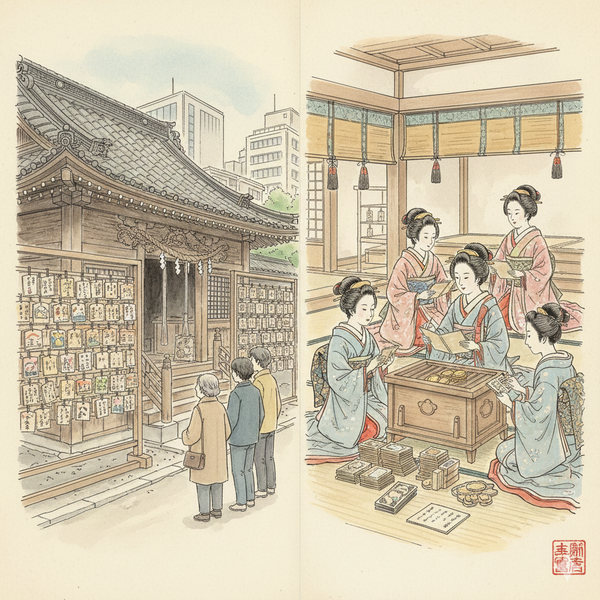
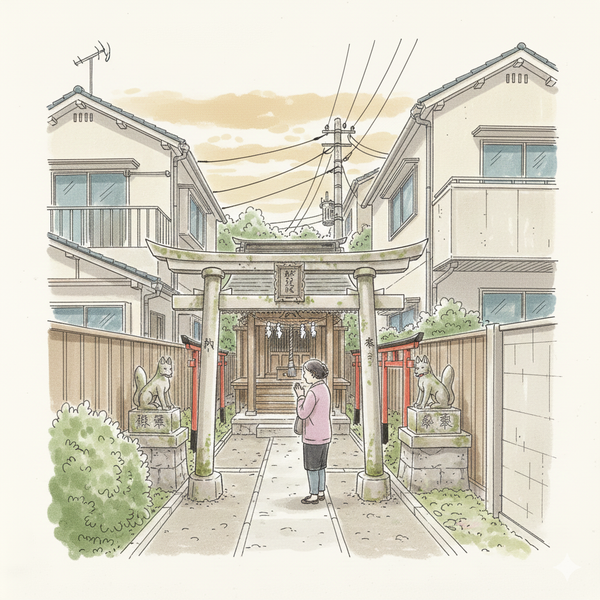
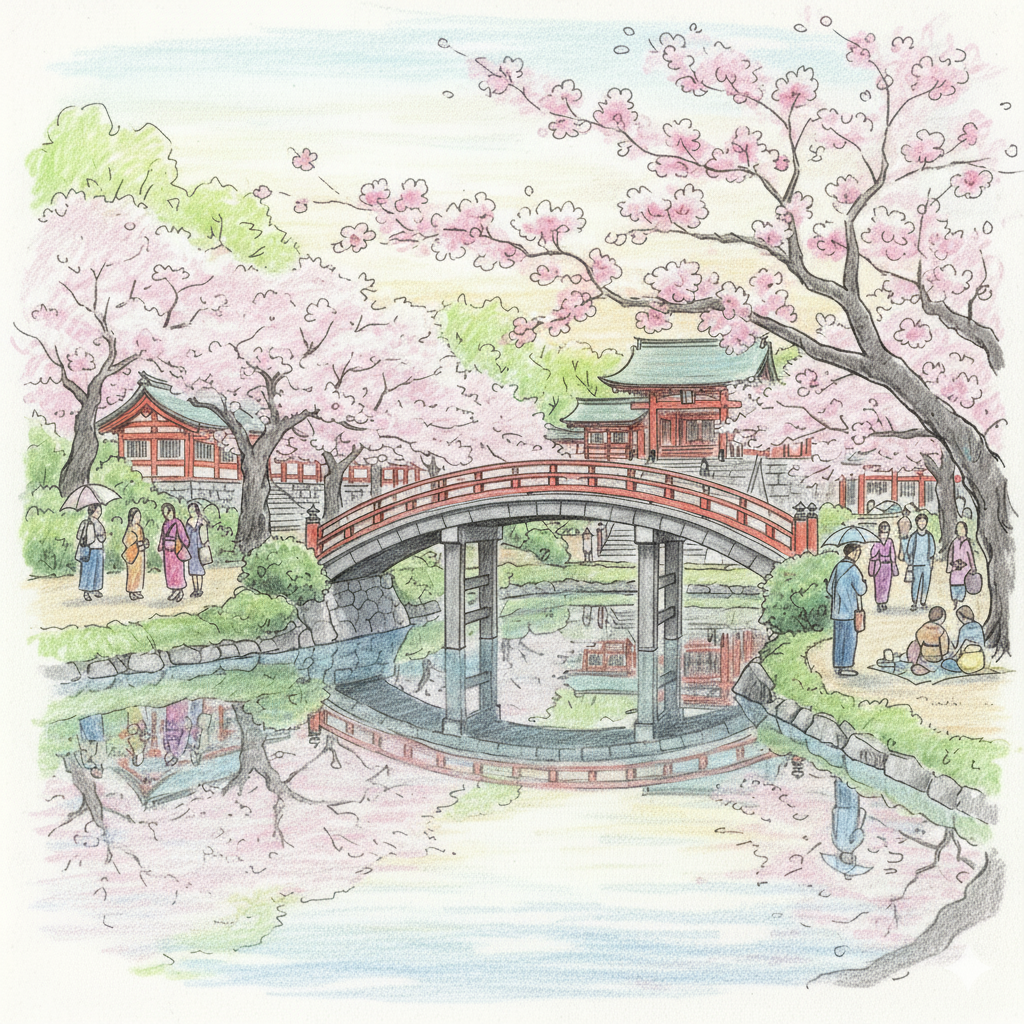
Sumiyoshi Taisha, one of Japan's most revered and ancient shrines, was not always an inland sanctuary. It was originally built facing the sea, a spiritual beacon for sailors and merchants navigating the waters of ancient Osaka Bay. Its grand main approach, the Omotesando (潮岡道), was once the literal edge of the land—the tidal boundary where the ocean’s waves met sacred ground.
Today, the sea is several kilometers away, pushed back by centuries of natural sedimentation and aggressive modern land reclamation. Yet, the path remains. As it cuts through the center of Sumiyoshi Park, this ancient road acts as a living fossil of a forgotten coastline. The park itself tells a story of transformation; opened in 1873, it occupies what was once the shrine's sacred "horse field" (馬圍場), a functional space for rituals that became a secular park for the public during the Meiji era's great modernization. Walking this path is to trace a ghost of the ocean's past, a tangible link to a time when the gods of the sea were a powerful and immediate presence.
Hidden Gem: Visit Sumiyoshi Park and walk the Omotesando path from east to west. As you stroll beneath the park's old pine trees, imagine the journey of ancient pilgrims arriving by boat. You are not just walking through a park; you are completing their voyage, stepping from the former sea onto the sacred earth, transforming a simple walk into a profound trip through time.
2. The Lost Marsh of Immortalized Verse
Long before Suminoe became an industrial powerhouse, it was home to a place of refined natural beauty: the Asazawa Marsh. This ancient wetland, famous since the Heian period, was renowned for its stunning irises (燕子花), which inspired a continuous, thousand-year literary tradition. It was a landscape of delicate beauty, a stark contrast to the industrial "smoky city" Osaka would later become.
Its elegance is preserved forever in classical Japanese literature, from the Man'yōshū, Japan's oldest collection of poetry, to the verses of the famed poet Fujiwara no Teika. Even as late as 1877, the enduring power of this landscape was such that Emperor Meiji himself visited and composed a poem in its honor. One verse from the Man'yōshū captures its timeless spirit:
In Sumiyoshi's Asazawa fields, Where the irises bloom in clusters. I pick the blossoms to dye my robes, But when will the day come that I may wear them?
Though the marsh itself has vanished, its memory is fiercely protected. The community has designated the iris as the official flower of Suminoe ward, a cultural promise to never forget the poetic soul of the land.
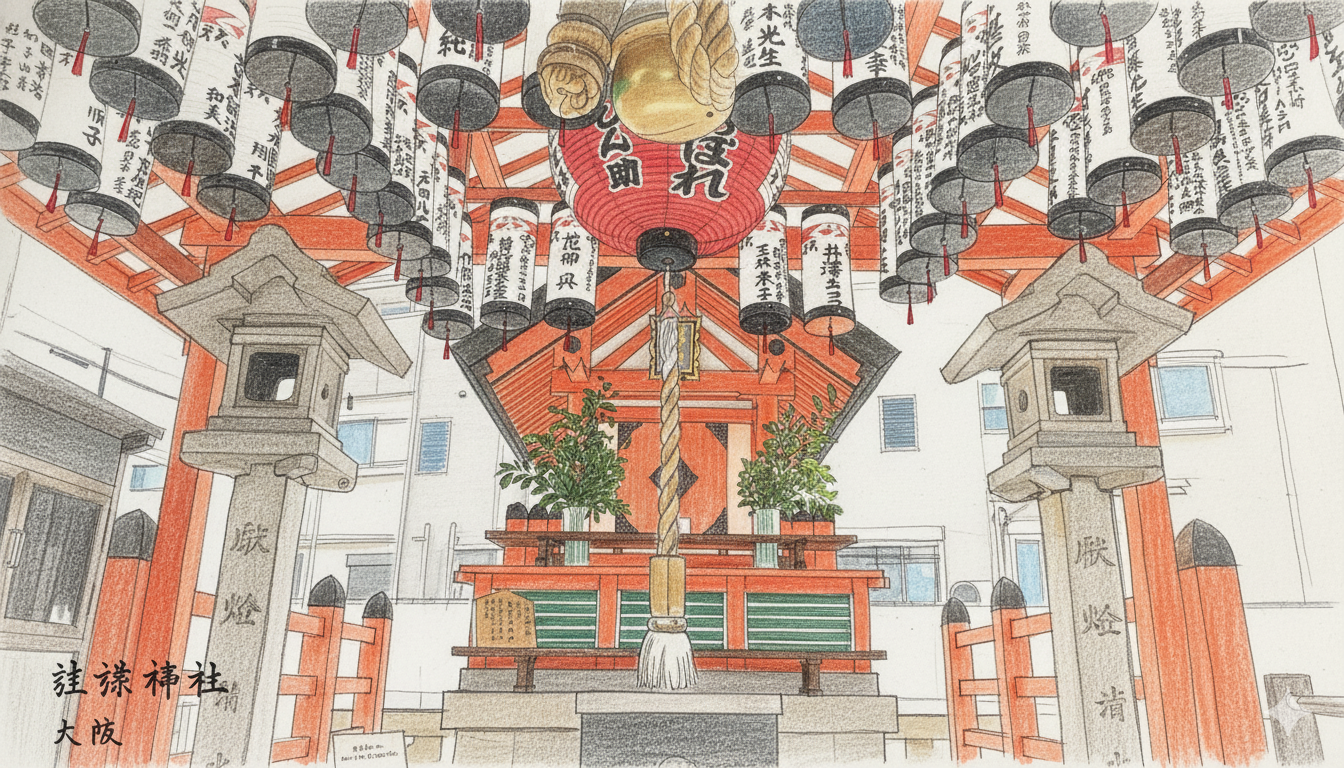
Hidden Gem: Visit Asazawa Shrine and the surrounding neighborhood. While the vast wetlands are gone, this area is the heart of that cultural memory. Here, nestled within a modern industrial port, you can seek out the ghost of a landscape that inspired centuries of art and connect with a deep, poetic history that refuses to be paved over.
3. The Forgotten Canals That Built an Empire's Kitchen
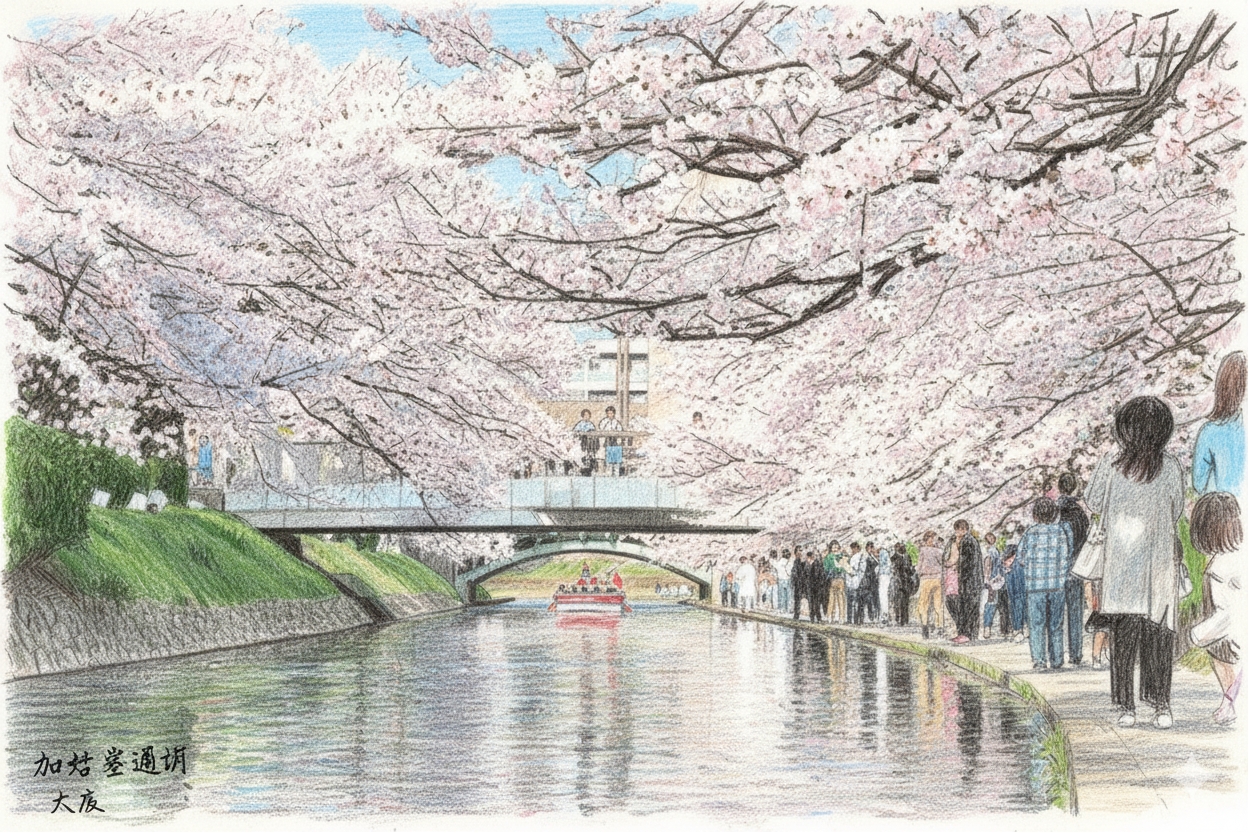
During the Edo period, Osaka earned the title "Kitchen of the Nation," and the canals of Suminoe were its arteries. In the first great act of humanity forcing a new conversation with the landscape, visionary merchants invested heavily in its transformation. They dug extensive canal networks, like the Kagaya Canal system, to drain the wetlands and create valuable new farmland called Shinden.
This was a brilliant feat of commercial engineering, a conscious effort to turn a natural disadvantage—the marshy, flood-prone coast—into a powerful economic advantage. These canals were the lifeblood of the region, carrying rice, cotton, and other goods that fueled Osaka's prosperity. The irony is that these vital waterways, which represented progress and human ingenuity, were later seen as an obstacle to modern development. To make way for roads and highways, most were filled in or built over, severing the city's physical connection to its "Water City" heritage.
Hidden Gem: Explore the Kagaya district and seek out the remnants of the Kagaya Canal system. You might find an old stone bridge standing incongruously over a road, or a surviving segment of a canal tucked between buildings. These fragments are physical evidence of a pre-industrial logistics network—the foundations of Osaka's commercial might, now hidden in plain sight.
4. The Artificial Island Forged in War, Reborn in Nature
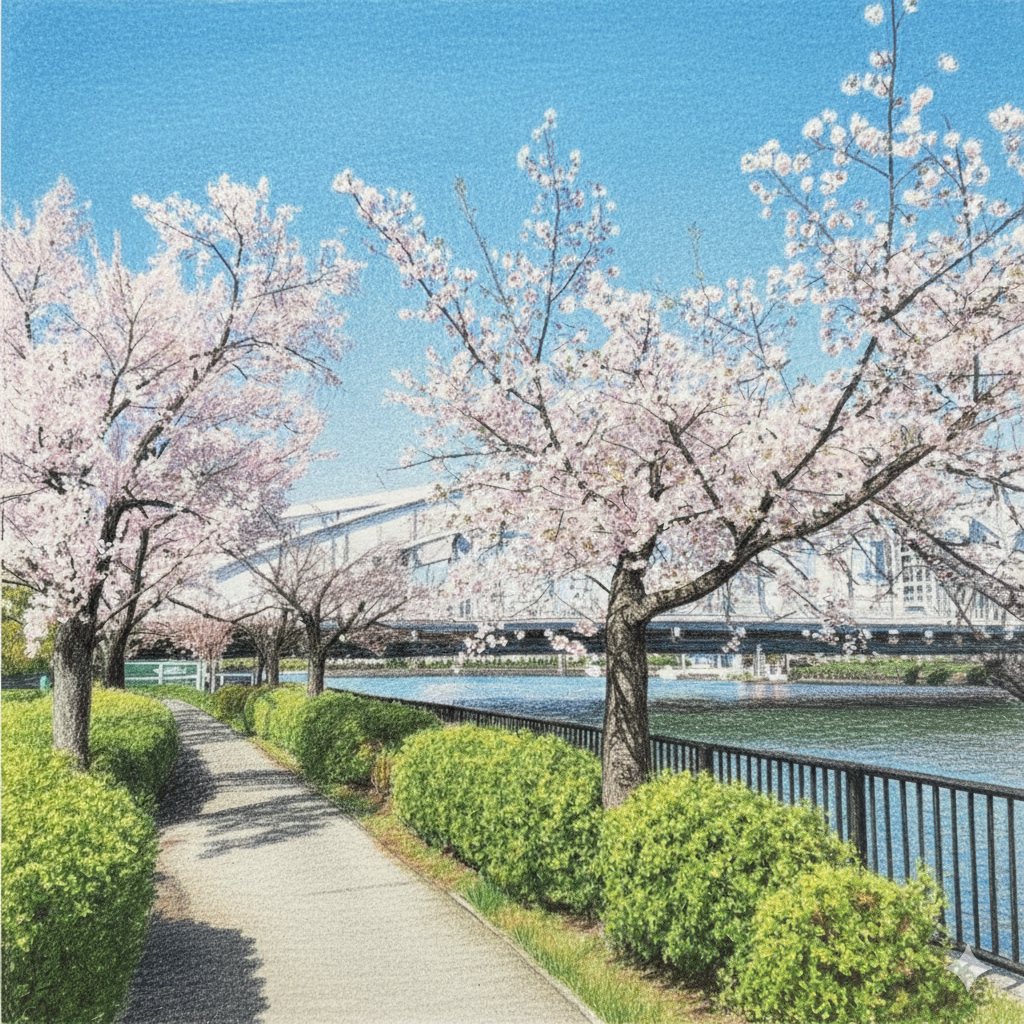
The story of Nanko (South Port) is the most dramatic chapter in Suminoe's history. This massive artificial island was born from industrial ambition, but history took a dark turn. As World War II loomed, the newly created land was immediately repurposed for military use, housing anti-aircraft batteries, munitions depots, and military lumberyards. A symbol of commercial hope became a cog in a war machine.
After the war, a miraculous transformation occurred. The land for what is now the Nanko Bird Sanctuary was created around 1978 through a staggering feat of engineering. What was once ocean several meters deep was encased by a sea wall and filled by pumping in dredged sludge from the seabed. It then took two full years for this industrial slurry to dry out enough for a person to walk on. The irony is profound. This place—born of industrial ambition, scarred by war, and literally built from sludge—is now a thriving sanctuary for hundreds of bird species.
Hidden Gem: Make a pilgrimage to the Nanko Bird Sanctuary. As you peacefully watch the birds, reflect on the ground beneath your feet. You are standing on a former military site built upon an engineered seabed. It is one of the most powerful symbols of ecological reconciliation in the city, a testament to nature's incredible resilience and an ultimate act of peace on land forged for war.
5. The Healing Waters on a Man-Made World
Post-war industrialization came at a cost. Osaka's waterways became polluted, and massive concrete sea walls severed the public's connection to the water, creating a deep sense of alienation. In recent decades, a movement known as the "Aqua City Rebirth" has sought to heal this broken bond. This is more than just urban planning; it is a psychological healing process for the entire city, an attempt to achieve reconciliation with its own man-made landscape and reclaim its identity as a "Water City."
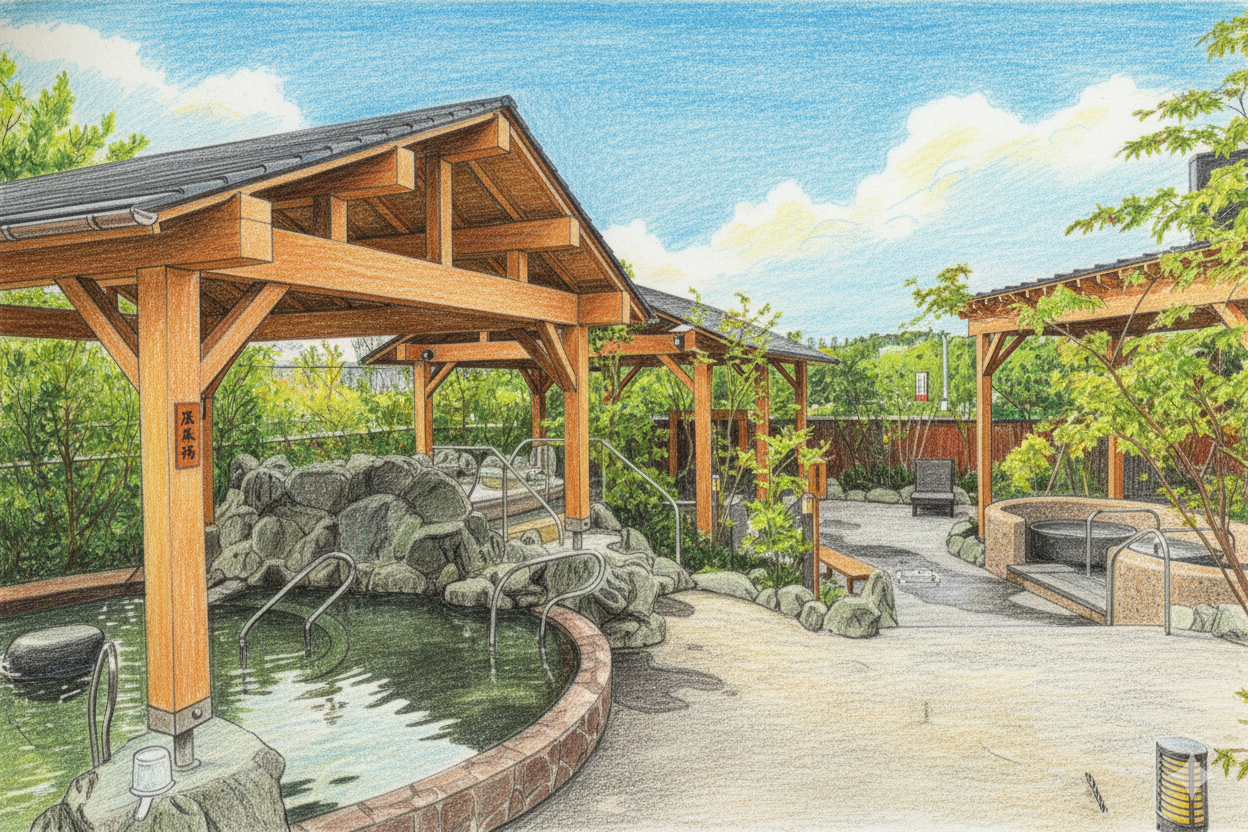
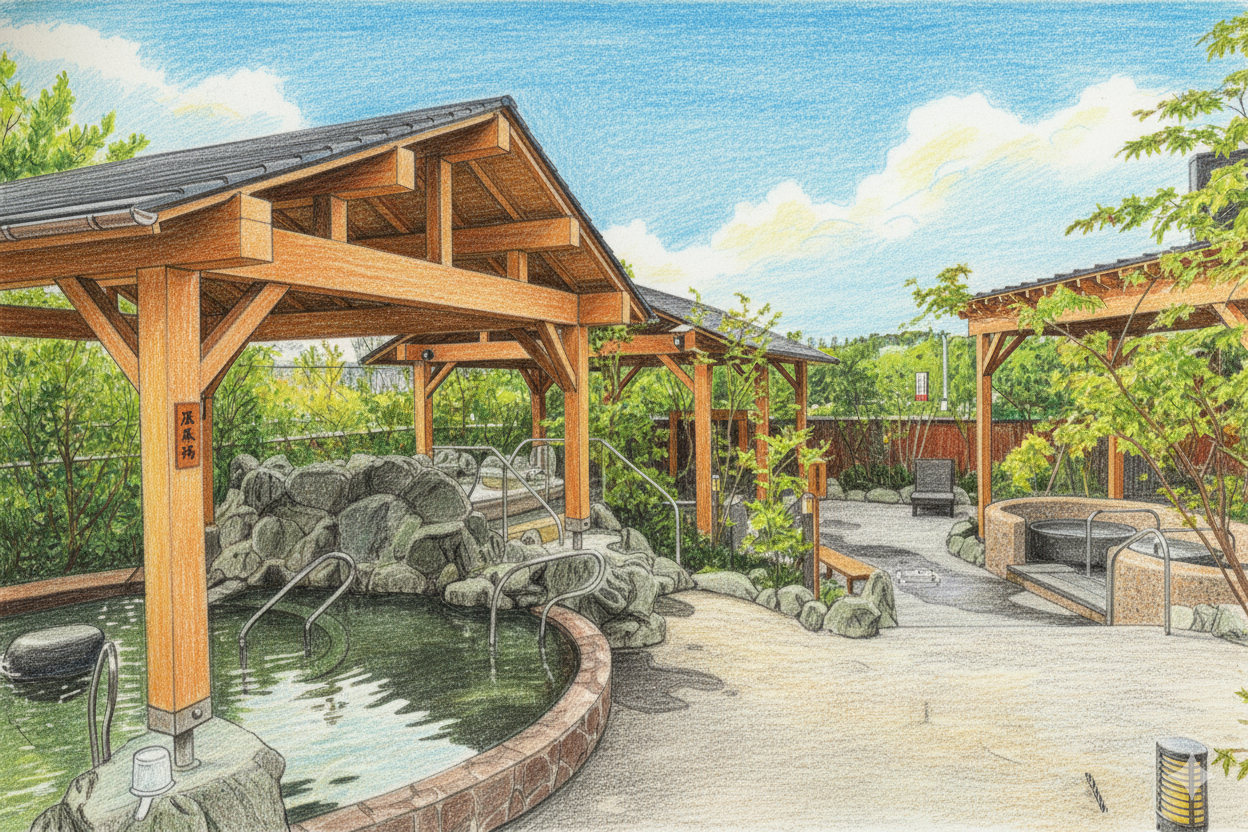
The Natural Open-air Hot Spring SPA Suminoe is a perfect symbol of this modern philosophy. It offers a "natural" and "open-air" healing experience on land that is entirely artificial, reclaimed from the sea just decades ago. This beautiful paradox speaks volumes. The intense human desire for nature is so strong that we will recreate it, even on the most intensely engineered of landscapes, as an act of peace with our own creation.
Hidden Gem: A visit to the Natural Open-air Hot Spring SPA Suminoe is more than a relaxing soak. It is a chance to experience the culmination of Suminoe's history. Here, on a man-made island, you participate in the city's modern quest to find harmony with the water it once sought only to conquer, a final act of reconciliation between nature and ambition.
Conclusion: A City's Ever-Changing Soul
The history of Suminoe is a constant, powerful dialogue between human ambition and the natural world. Its story is told not just in books, but in the land itself—a living museum preserving the memory of gods, poets, merchants, and soldiers. Each layer of earth tells of a different era, a different dream for what this place could be.
As you walk the streets of Suminoe, you are treading on layers of forgotten stories. What unseen histories lie just beneath the surface of your own city?
Work cited:
引用的著作戰後,背棄河流-大阪水遊城 - 水都大阪, 檢索日期:10月 11, 2025
大阪最古老的公園,大社的表參道檢索日期:10月 11, 2025
Sumiyoshi ward - 各区概要 - 大阪市, 檢索日期:10月 11, 2025