(ENG) The Bell, the Banyan, and the Barricades: Five Buried Histories of Hong Kong's Admiralty
Admiralty's five stories reveal it as a district of profound contradictions. It is a place where a banyan tree was saved by a contract while a colonial fort was lost to progress; where a temple of justice once housed tyranny, and a manicured lawn became a city's conscience.

Listen attentively to the fascinating stories of tourism history
The City You Think You Know
Gaze upon Hong Kong's Admiralty district, and you see the city's modern heart beating in perfect rhythm. Gleaming towers of finance and government rise from a hyper-efficient nexus of transport, a testament to systematic planning and relentless progress. It is the city as a pristine machine, all glass, steel, and purpose.
But what if this polished surface is merely the top layer of a deep, complex, and often contradictory history? Beneath the hum of the MTR and the gloss of the shopping malls lie forgotten military warnings, profound ethical dilemmas, and the echoes of profound historical struggles. This article uncovers five surprising tales that reveal the true, layered identity of a district you only think you know.
The Tale of Two Names: How a Military Bell Outlasted an Empire
A Duality of Identity
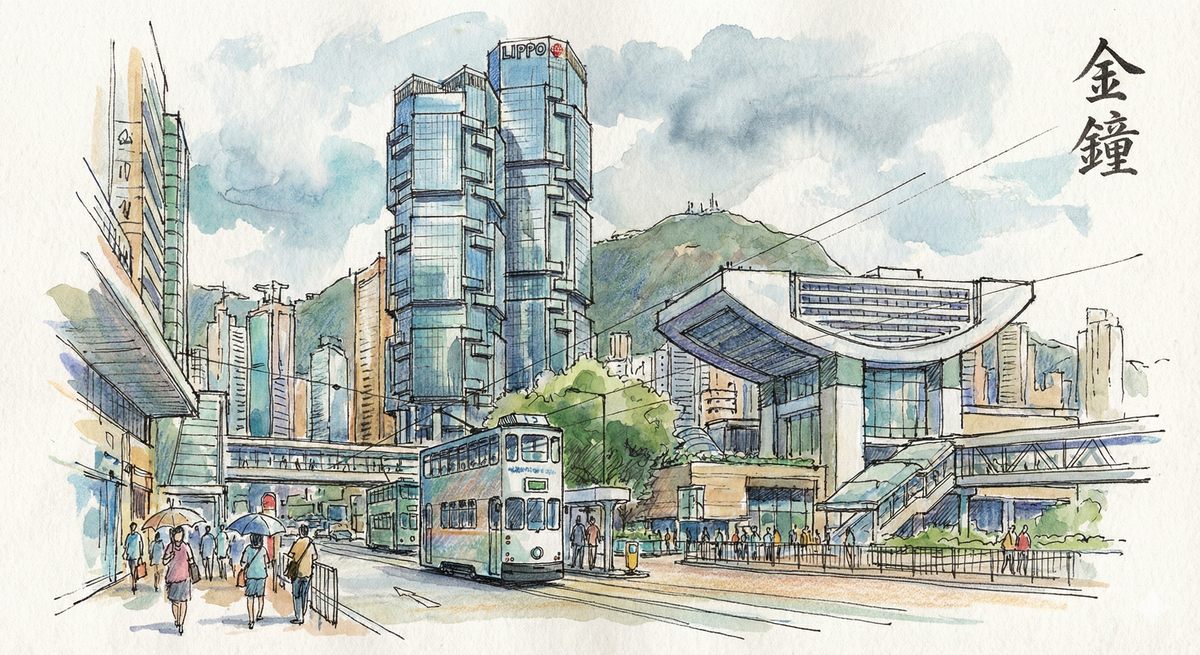
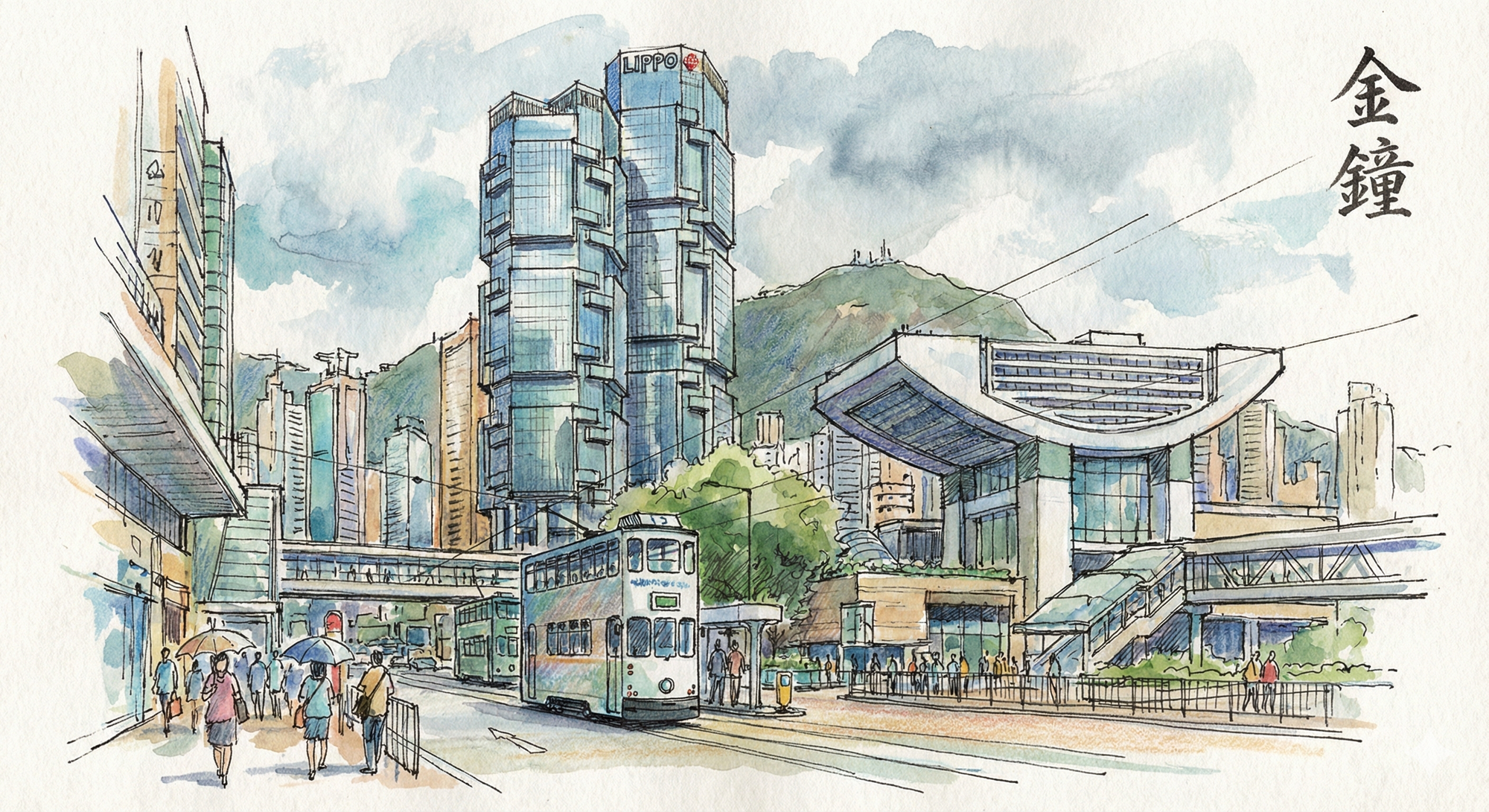
Admiralty's identity begins with a linguistic split. Its English name, "Admiralty," is a direct inheritance from the British naval high command, established here first as the Admiralty Dock and later the HMS Tamar naval base. It is a name that speaks of colonial military power, a symbol of the British Empire's strategic dominance in the Far East.
The Local Echo
In contrast, its Chinese name, "金鐘" (Kam Chung), translates to "Golden Bell." This name has a more tangible, local origin, referring to a literal golden-colored bell that once hung at the Victoria Barracks. Used as an alarm system, its ring defined the auditory boundary of a military zone.
From Enclave to Epicenter
Before the 1970s, Admiralty was a place most citizens simply passed through. It was a desolate "power enclave," a landscape of barbed wire and overgrown hillsides inaccessible to the public. But as the neighboring Central district reached saturation, the government systematically repossessed the military lands. Catalyzed by the MTR's decision to make Admiralty the terminus of the critical Tsuen Wan line and the vision of architects like Lam Wo-hei, this restricted zone was rapidly and efficiently transformed. In just over three decades, it became the commercial and administrative hub we see today.
Reflective Analysis
These dual names now represent a "presence of an absence." The symbols of power—the Admiralty, the Golden Bell—remain, but their original functions have been silenced. The strategic naval command and the piercing ring of the alarm have been replaced forever by the rhythm of commerce and transit.
Hidden Gem Suggestion
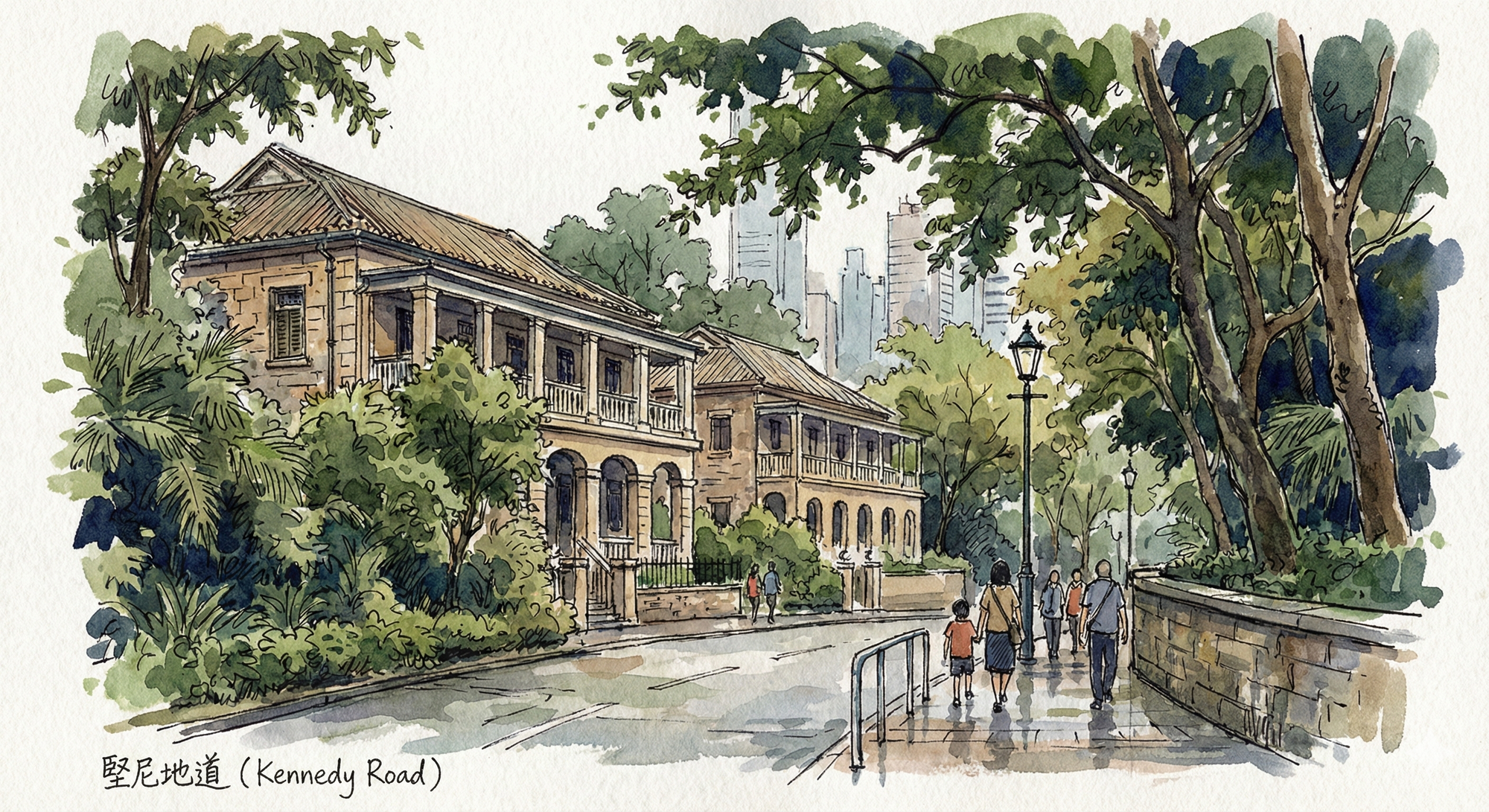
To grasp this transformation, take a deep dive into the district's peripheries. A walk along Kennedy Road reveals a stark contrast, where colonial-era architecture and dense trees stand against Admiralty's modern towers, offering a glimpse into the area's former quiet life. Then, stroll the Central and Western District Promenade to visualize the dramatic land reclamation that erased a naval base and gave birth to the city's new administrative heart, witnessing firsthand the eastward shift of Hong Kong's center of power.
The $24 Million Flowerpot: A Banyan Tree That Bent Capitalism
An Engineering Marvel
The construction of Pacific Place was a landmark project that cemented Admiralty's commercial success. As Hong Kong's first integrated complex of its scale, combining a mall, hotels, and offices, it was an engineering marvel. Architects contended with a brutally challenging site where the terrain dropped five stories from one end to the other, requiring immense excavation and reinforcement.
The Immovable Object
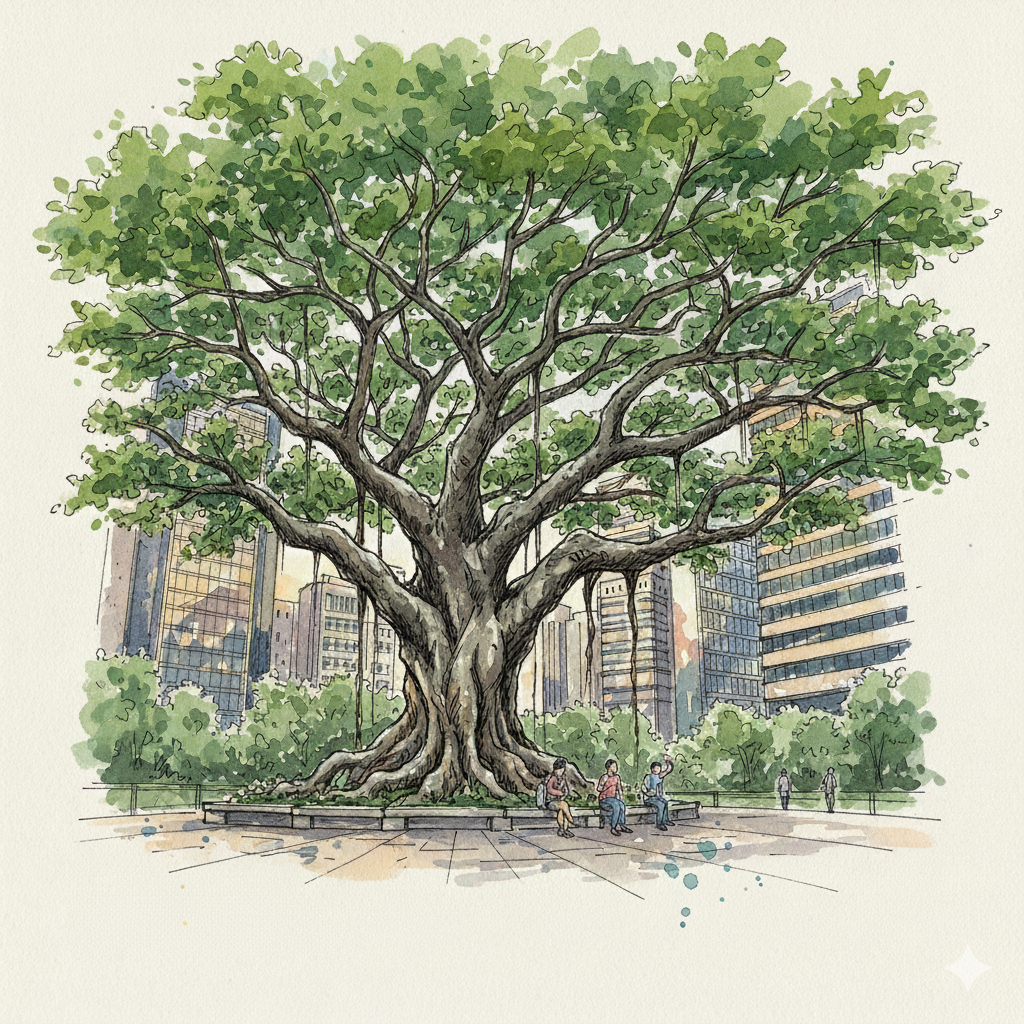
Yet the project's greatest challenge was not geological, but biological. Standing in the way was a 140-year-old Ficus microcarpa tree with a magnificent canopy 30 meters wide. Critically, a legally binding land sale contract explicitly stipulated that the tree could not be moved.
The Unprecedented Solution
Faced with an unbreakable legal promise, the developer embarked on an extraordinary solution. They spent over twenty-four million Hong Kong dollars—HK$23,890,227, to be exact—to build a colossal "giant flowerpot" for the tree. This structure, 18 meters long and 10 meters deep, was designed to protect the banyan's entire root system, allowing the mall to be constructed underneath it. At the time, it was the most expensive tree conservation effort in the world.
A Poetic Reflection
This case reveals a unique paradox in Hong Kong's development model: colossal commercial interests must absolutely yield to environmental obligations enshrined in legal contracts. It elevates conservation from a mere moral appeal to the plane of legal constraint and economic responsibility, representing an "expensive reconciliation" between urban development and ecological ethics.
Hidden Gem Suggestion
Visit the Rong Garden at Pacific Place, the "green heart" of this commercial center. Stand beneath the ancient banyan and ponder this unique monument. Here, the relentless efficiency of capital and the slow passage of time coexist in the same vertical space, all because of a powerful legal promise that a city decided it had to keep.
The Hall of Justice and Its Darkest Secret
A Symbol of Integrity
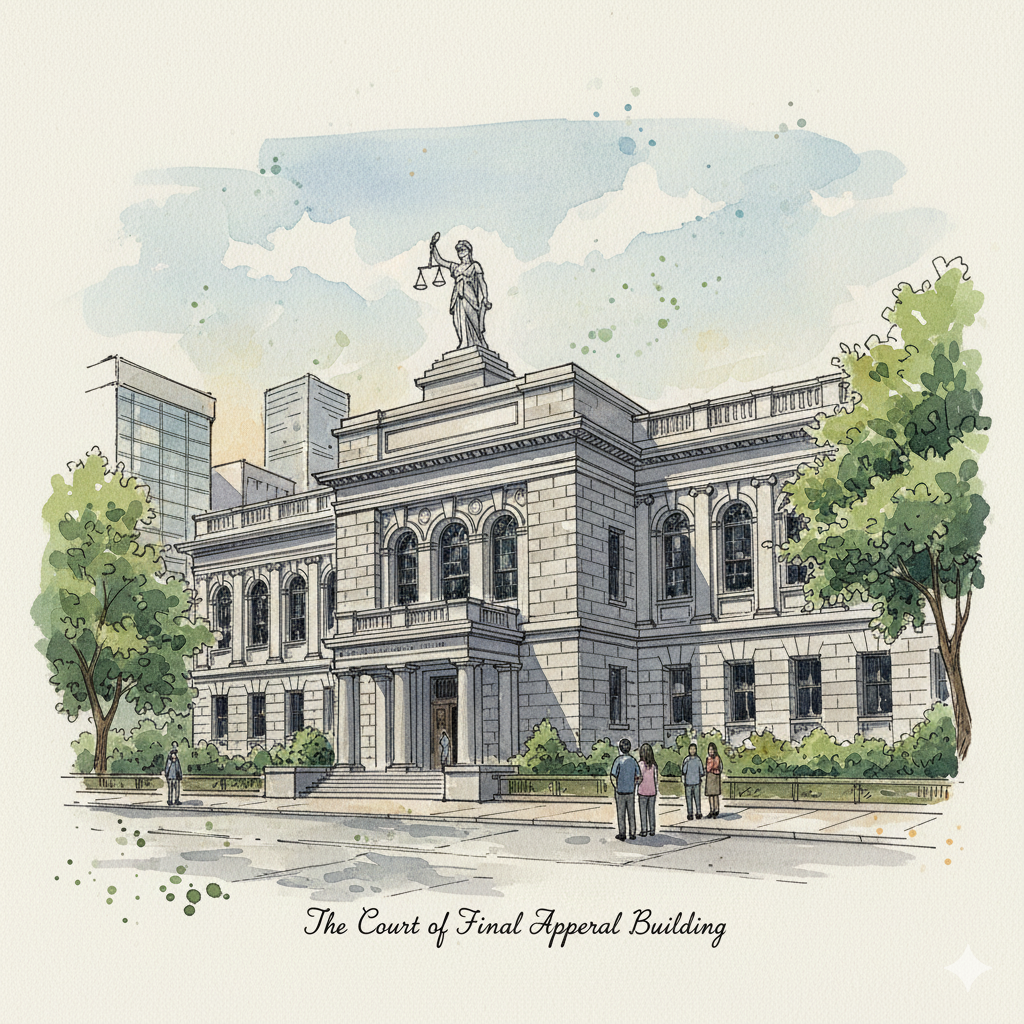
The Court of Final Appeal Building is an icon of Hong Kong's legal system. Its neoclassical architecture, crowned by the blindfolded statue of Themis holding the scales and sword of justice, is a potent symbol of impartiality and the rule of law. Since its completion in 1912, it has stood as a temple to these ideals.
A Desecrated Temple
However, this monument to justice endured a shocking "identity betrayal." During the Japanese occupation of Hong Kong in World War II (1941-1945), the building was commandeered and used as the headquarters for the Japanese military police (Kempeitai). The very place designed to deliver justice became the nerve center of military oppression and brutality—a complete desecration of its purpose.
Reflective Analysis
After the war, the building was swiftly returned to its judicial function, eventually becoming the seat of the Court of Final Appeal in 2015. Placing its role as a "hall of justice" alongside its past as a "Kempeitai headquarters" demonstrates the resilience of the rule of law. The building's physical vulnerability to authoritarian power highlights, by contrast, the society's deep-seated reliance on and determination to restore its legal ideals. The story shows how easily the symbols of our institutions can fall, but more powerfully, it reveals the strength of the principles they were built to represent.
Hidden Gem Suggestion
Take time for an exterior viewing of the Court of Final Appeal Building to absorb its history. Then, for a parallel story, visit the nearby Asia Society Hong Kong Center. Converted from the explosives magazine of the former Victoria Barracks, it represents the transformation of colonial military power, just as the court represents the resilience of judicial power. Both have been converted from closed colonial structures into open civic and cultural institutions.
The Ghost in the Machine: A Lost Fort Beneath the World's Busiest Metro
A Collision of Eras
The Admiralty MTR station is a masterpiece of modern efficiency, a critical interchange for three major rail lines. But during its expansion, this project of the future collided literally with Hong Kong's earliest colonial past.
A Buried Discovery
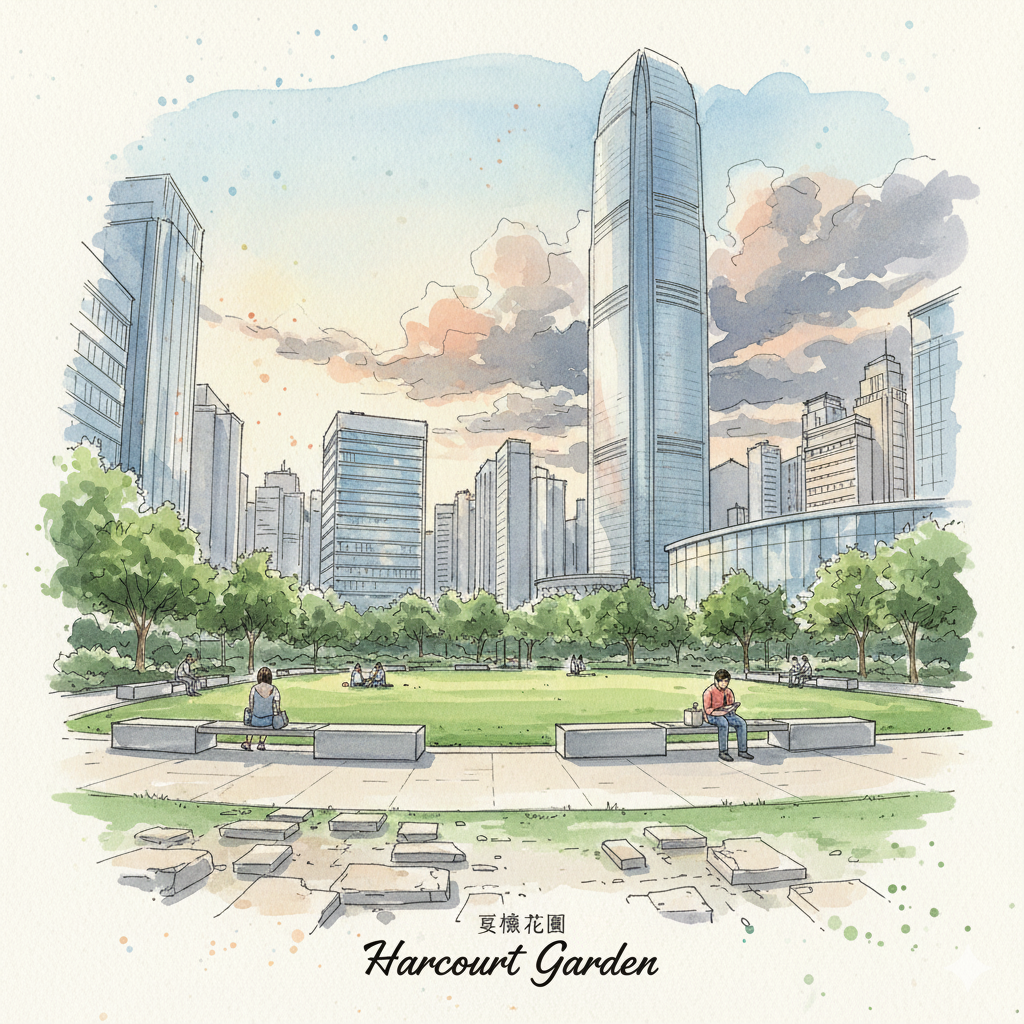
Deep underground, construction workers uncovered ruins of immense historical value: the foundations of the Wellington Battery and a century-old seawall, two of the foundational military structures from the city's founding. These were not just old rocks, but the material memory of Hong Kong's birth as a colony.
Efficiency over History
The discovery sparked a controversy. Preservation groups accused the MTR and authorities of concealing the find to avoid costly construction delays. The official justification for not preserving the ruins in place was that they were too fragmented and that attempting to save them would be unsafe and impractical. In the end, the relics were not saved; they were simply "recorded."
A Somber Reflection
This incident exposes a core tenet of Hong Kong's urban development logic: under the "infrastructure-first" principle that pursues ultimate efficiency, the material evidence of urban memory is often fragile and disposable.
Hidden Gem Suggestion
Walk through Harcourt Garden, the public park built directly on top of the site. As you stroll across this manicured green space, reflect on the fact that the literal foundation stones of colonial Hong Kong lie buried and fragmented beneath your feet, sacrificed for the sake of a more efficient commute. It forces the question: Is "recording" history the same as "preserving" it?
The Accidental Agora: How a Manicured Lawn Became a City's Conscience
The Official Blueprint
When the government developed the Tamar site as its new headquarters, it designed the adjacent Tamar Park with the concept of "perpetual green." The park was intended to be a serene, controlled, and harmonious public space—an open, accessible green buffer for the city's administrative center.
A Space Redefined
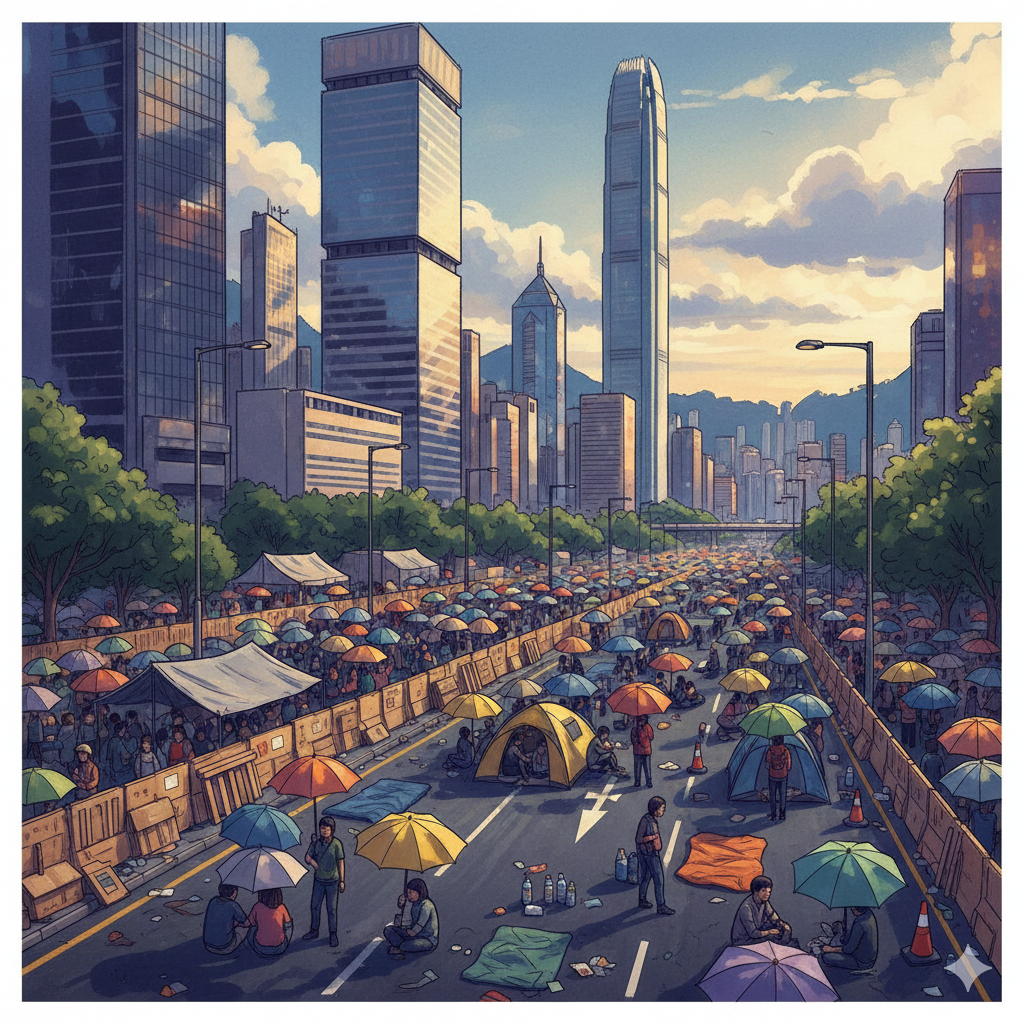
But the ultimate meaning of a public space is not determined by its designers; it is defined by the people who use it. In 2014, this official intention was completely overturned. During the 79-day Umbrella Movement, the park and surrounding thoroughfares were peacefully occupied, transforming the heart of the financial district into a sprawling, vibrant "Umbrella City."
Sensory Details of a Movement
The transformation was absolute. The manicured park and the once-choked arteries of Harcourt, Tim Mei, and Lung Wo Roads became a vast landscape of tent camps. Colorful umbrellas, first used for rain, became iconic shields against the tear gas whose lingering, spicy smell hung in the air from the 87 canisters fired by police. Makeshift "Lennon Walls" bloomed with thousands of handwritten notes, while giant yellow banners demanding "I want real universal suffrage" hung from footbridges. Amidst the protest, a new civic order emerged: students studied on the pavement, a self-organized "emergency lane" was kept clear for ambulances, and a utopian-like community shared food, debated politics, and sang together.
The Power of the People
This event proved that a manicured lawn could become a powerful stage for one of the city's most significant acts of civil disobedience. The space was redefined not by architects, but by citizen action, turning a symbol of state power into a platform for the public's voice.
Hidden Gem Suggestion
Walk through Tamar Park and along Tim Mei Avenue. Do not see it as just a pleasant waterfront stroll, but as a walk through a landscape charged with recent, potent history. This place is a living monument to Hong Kong's contemporary political climate, embodying the vast chasm between "spatial intention" and "spatial practice."
The Unceasing Bell
Admiralty's five stories reveal it as a district of profound contradictions. It is a place where a banyan tree was saved by a contract while a colonial fort was lost to progress; where a temple of justice once housed tyranny, and a manicured lawn became a city's conscience.
The "Golden Bell" that gave the district its Chinese name no longer serves as a military alarm. Instead, its sound has become a constant, metaphysical reminder for the city to question its own values amidst relentless development. It rings as a warning, prompting us to ask: in the rush to build the future, what parts of a city's soul are truly non-negotiable?
Work Cited:
MTR and its names | HKTE, 檢索日期:11月 24, 2025
太古廣場銀禧——證金鐘里程 - Yahoo新聞, 檢索日期:11月 24, 2025
香港地鐵- 維基百科,自由的百科全書, 檢索日期:11月 24, 2025
【金鐘站好去處】不去可惜! 2025 到香港金鐘站漫遊必訪的15 個打卡景點全攻略 - KKday, 檢索日期:11月 24, 2025
榕園 - 樹木谷Hong Kong Tree Society, 檢索日期:11月 24, 2025
終審法院大樓- 維基百科,自由的百科全書, 檢索日期:11月 24, 2025
前終審法院大樓— 歷史簡介, 檢索日期:11月 24, 2025
港鐵隱瞞金鐘地盤掘出古蹟 - Michelle the Heriporter, 檢索日期:11月 24, 2025
Tamar Park - Wikipedia, 檢索日期:11月 24, 2025
重奪「公民廣場」行動- 維基百科, 檢索日期:11月 24, 2025
Biblical Tamar: Forgotten by the historians | The Jerusalem Post, 檢索日期:11月 24, 2025
金鐘清場行動- 維基百科,自由的百科全書, 檢索日期:11月 24, 2025
SYMBOLS and ABBREVIATIONS used on Admiralty Charts, 檢索日期:11月 24, 2025
NP 5011- Symbols & Abbreviations - Mariner Edition, 檢索日期:11月 24, 2025