(ENG) Forget Dotonbori: The Secret History of Resilience Hidden in Osaka's Jōtō Ward
Together, these five stories paint a portrait of a community defined by resilience (韌性) and the power of its bonds (絆, kizuna). The true soul of Jōtō-ku is not found in grand landmarks, but is hidden in the folds of time—in the curve of a road, the marker on a riverbank...

Listen attentively to the historical stories told in detail
The Hidden Soul of Osaka's Densest Ward
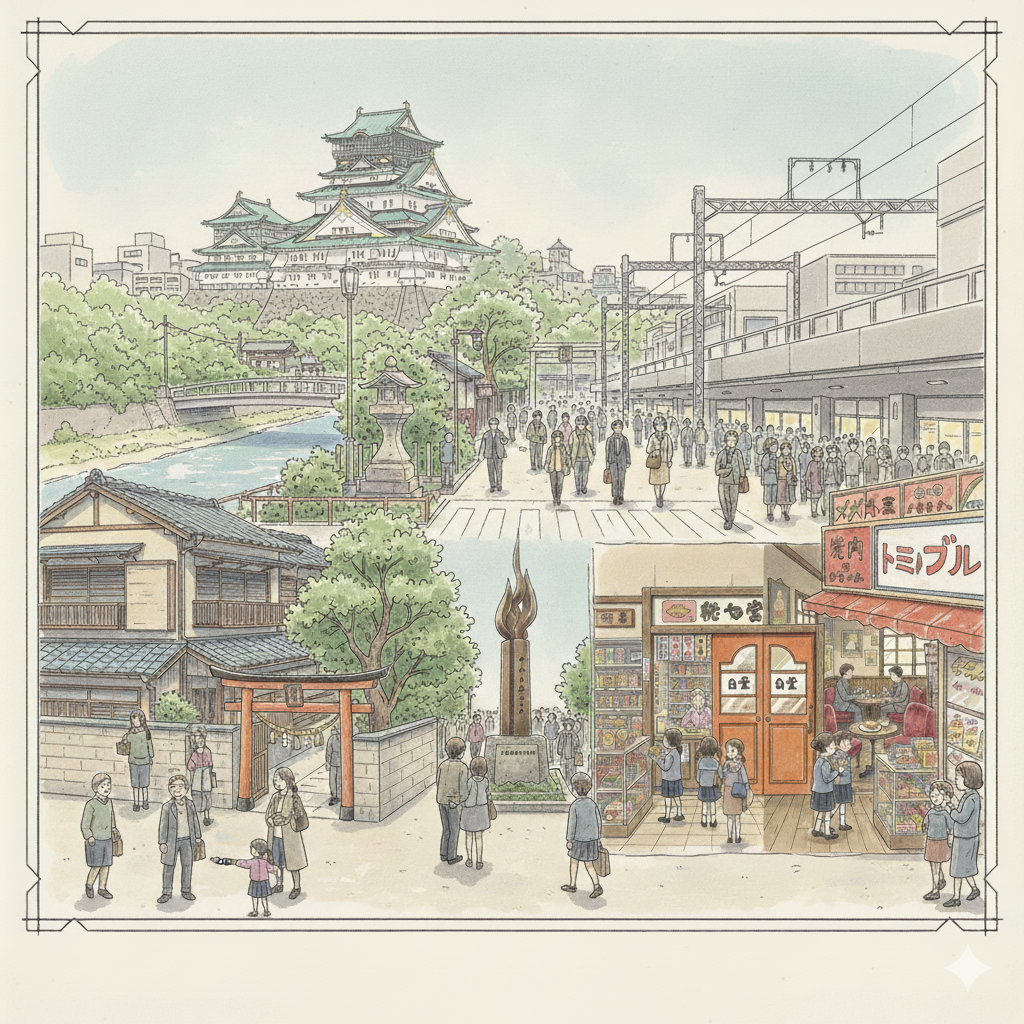
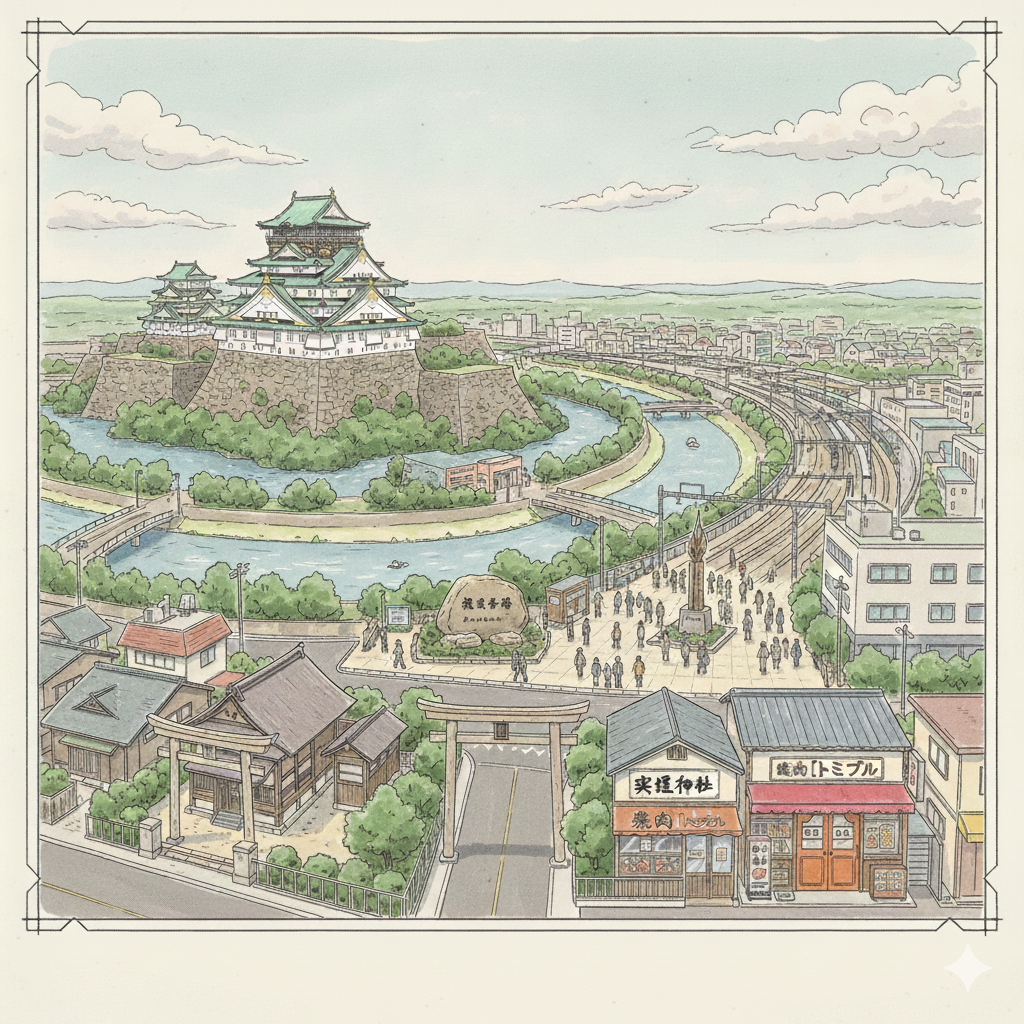
When visitors imagine Osaka, they picture the electric glow of Dotonbori, the savory aroma of street food, and the imposing grandeur of its famous castle. But venture just east of that castle and you enter a different world: Jōtō-ku, the "East Castle" ward. On the surface, it is a landscape of quiet residential streets, so densely populated it has the second-highest population density among all of Japan's designated municipalities. It appears to be a place purely for living, a city’s quiet backdrop. But folded into its unassuming alleys and modern infrastructure are profound stories of war, industry, and survival.
This journey moves beyond the tourist trail to uncover five surprising historical narratives that reveal the ward's true character. Through tales of military mazes, forgotten river transport, devastating tragedy, creative rebirth, and an ancient struggle against nature, we will discover a hidden soul defined by extraordinary resilience and an unbreakable sense of community.
1. A Warlord's Maze: The Secret Military Design Hidden in Plain Sight
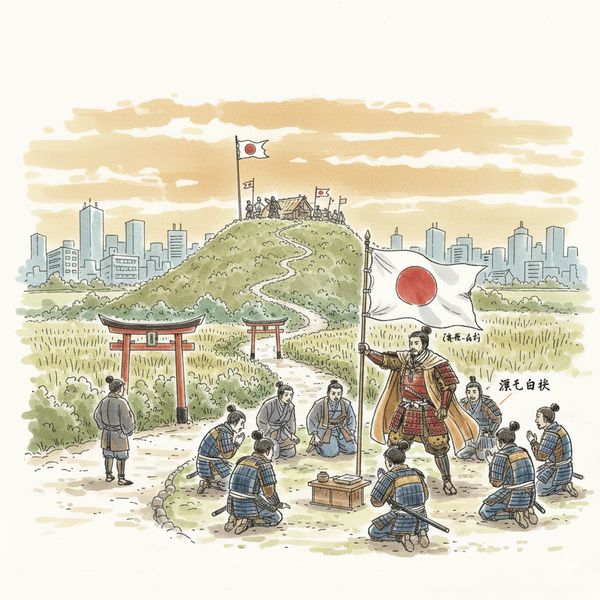
During the turbulent Sengoku period, the great warlord Toyotomi Hideyoshi conceived of Osaka Castle not just as a fortress, but as the center of a vast defensive web. To protect its vulnerable northern approach, he turned the landscape of what is now Jōtō-ku into a strategic trap. The roads leading through the area were deliberately engineered into a series of sharp, winding turns known as the "Nanamegari" (七曲り), a design intended to disorient and slow any invading army, making them easy targets for defenders.
This ingenuity—embedding military strategy into the fabric of everyday infrastructure—reveals a deep-rooted focus on protection that has echoed through the centuries. It laid the cultural groundwork for the community's modern vision of becoming an "anshin na machi" (安心なまち), a town of safety and security.
Deep Dive: The Guardian of the Demon Gate
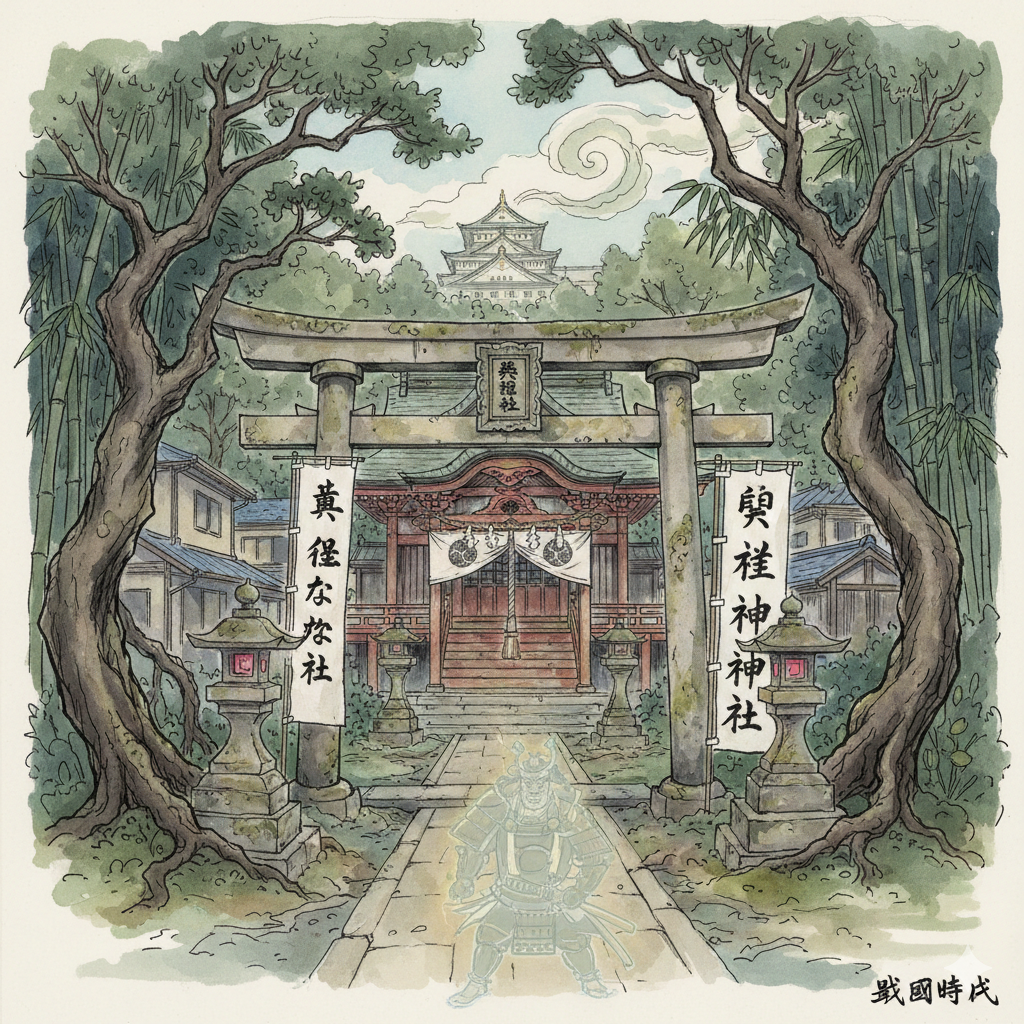
To complement his physical defenses, Hideyoshi established a spiritual one. He founded Sekime Shrine (関目神社) to guard the "demon gate" of Osaka, the northeastern direction considered spiritually vulnerable. By enshrining the powerful war god Susanoo-no-Mikoto alongside Bishamonten-ō, the heavenly king of warriors, he combined physical defense with divine protection. While centuries of development have altered the original roads, visitors can still feel the echoes of this history. A visit to the serene grounds of Sekime Shrine, followed by a walk through the complex road patterns near Keihan Sekime Station, allows one to trace the ghost of a warlord's defensive maze hidden in plain sight.
2. The River of Industry: Commuting by Boat to a Military Arsenal
In the modern era, Jōtō-ku’s identity was forged not by samurai, but by smokestacks. The massive Osaka Artillery Arsenal, a sprawling industrial complex, once dominated the area, transforming the ward into a bustling satellite city for Japan’s military-industrial machine. Tens of thousands of workers flocked to the area, creating a new kind of urban energy.
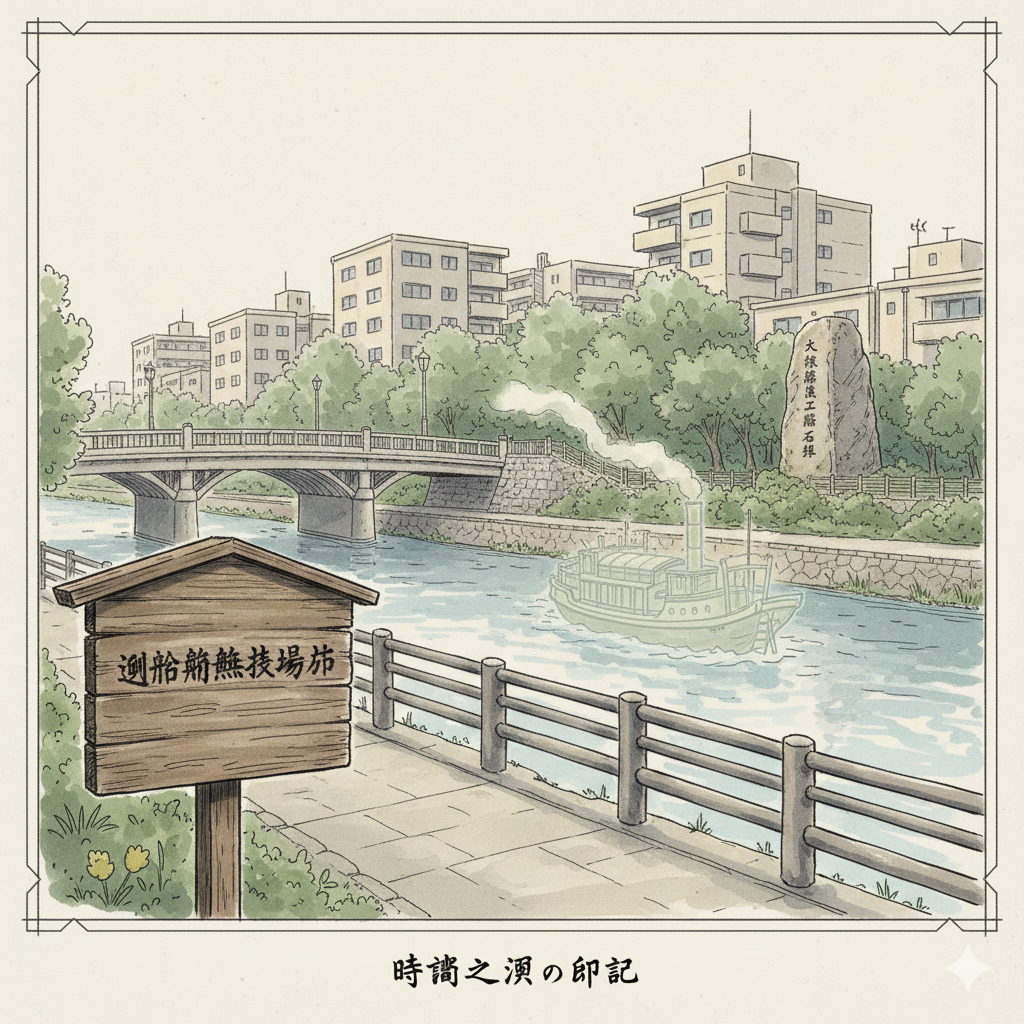
To move this vast workforce, the city relied on its oldest highway: the river. Along the Neyagawa River, a fleet of cruise boats known as "Junkōsen" (巡航船) operated as a kind of "water train," ferrying thousands of factory workers and students to and from the arsenal each day. This waterway became the vital artery of the ward’s industrial age, a river of people and purpose that fueled Japan's modernization. This accessibility was more than mere convenience; it was a lifeline for economic survival, drawing tens of thousands of families to the area and laying the demographic foundation for the tight-knit, high-density community it would become.
Deep Dive: Traces of a Forgotten Waterway
Though the boats no longer run, their memory is etched into the landscape. Along the riverbank, visitors can find the "Junkōsen Funatsukiba Ato" (巡航船船着場跡), a stone marker for the former boat landing site. Standing there, one can almost hear the bustle of workers embarking for their shifts. A short walk away, within the Morinomiya Danchi housing complex, the "Osaka Artillery Arsenal Stone Monument" (大阪砲兵工廠跡石碑) stands as a silent witness to both the area's industrial might and its eventual violent destruction.
3. Hell on Earth: The Wartime Tragedy That Forged a Vow for Peace
The industrial power that defined Jōtō-ku also made it a prime military target. On August 14, 1945, just one day before Japan announced its surrender in World War II, this strategic importance led to an unimaginable tragedy. During a massive bombing raid, several one-ton bombs intended for the nearby Osaka Artillery Arsenal fell on the adjacent Kyōbashi Station. At that moment, the station was packed with civilians, and two trains were stopped at the platforms. The devastation was absolute, claiming the lives of an estimated 700 to 800 people.
An eyewitness account captured the sheer horror of the moment, a memory that would forever scar the community's collective consciousness:
"The screams of the dying scattered everywhere, it was simply a hell on earth."
This profound tragedy, born directly from the ward's industrial and strategic importance, instilled in the survivors and their descendants a deep and lasting commitment to peace. The community's identity became inextricably linked not only to its industrial past, but to the devastating human cost of that past.
Deep Dive: A Quiet Memorial in a Bustling Hub
Today, Kyōbashi Station is one of Osaka's busiest transportation hubs, a swirl of constant motion. Yet, tucked away quietly at the south exit, stands a solemn place of remembrance. The "Heiwa yo Eien nare" (Peace Forever) memorial statue and the cenotaph for the air raid victims offer a space for reflection amidst the urban clamor. These memorials serve as a powerful and permanent reminder that the peace enjoyed today was built upon an immense sacrifice.
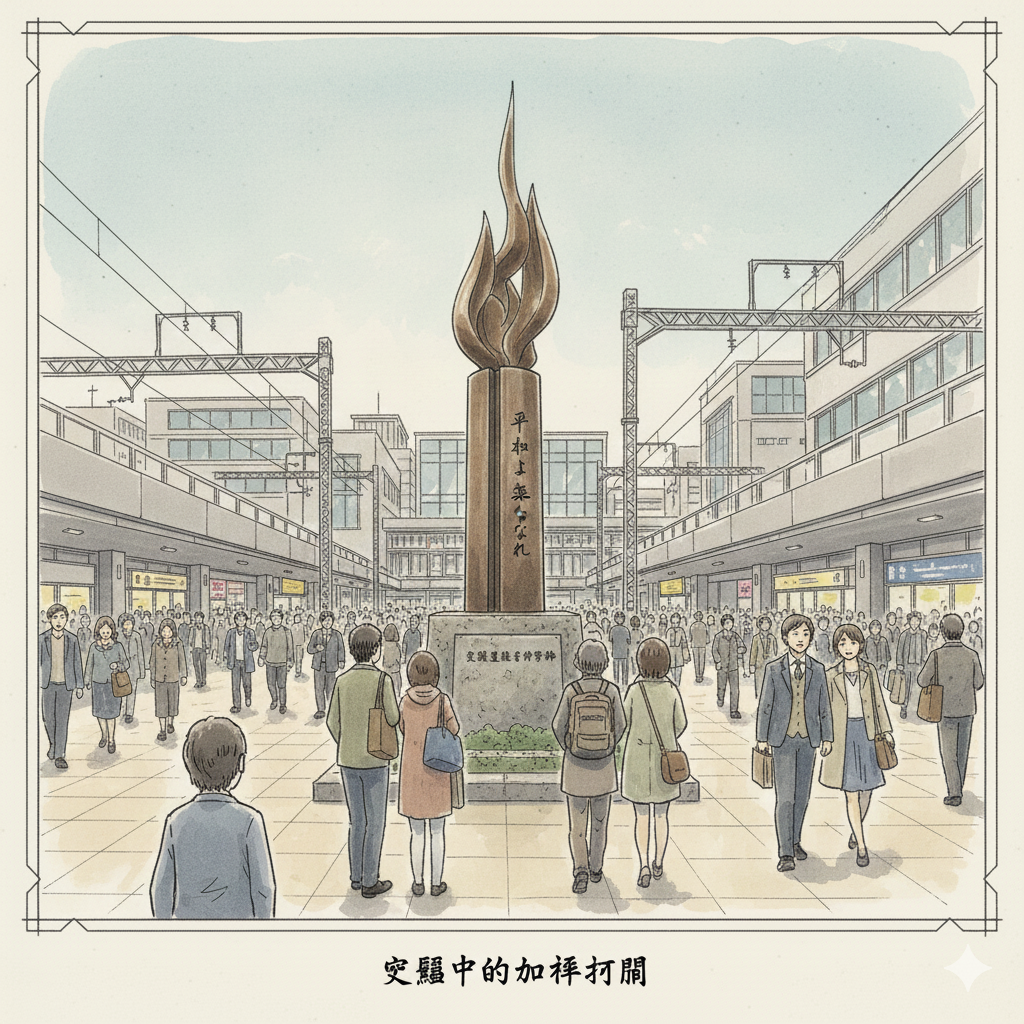
4. Retro Rebirth: How Old Homes are Saving a Neighborhood's Soul
In the postwar era, Jōtō-ku blossomed into a vibrant center for everyday life, its shopping arcades lined with markets, bathhouses, and cinemas. To protect this Showa-era soul from the erosion of time and generic modernization, a powerful cultural movement has recently emerged. In the 蒲生四丁目 (Gamo-yon) district, the "Gamo-yon Revitalization Project" is giving old, vacant traditional houses (kominka) a second life.
These charming wooden homes are being lovingly transformed into cafes, restaurants, and creative spaces, preserving the neighborhood's nostalgic atmosphere. This movement is a testament to community resilience, a conscious choice to resist redevelopment in favor of regeneration. It turns the area's history not into a museum piece, but into a living, breathing cultural asset that enriches modern life.
Deep Dive: Hidden Cafes and Secret Doors
The greatest joys of Gamo-yon are found by exploring its backstreets. The most unique example is Hakusendo (白鬚堂), a retro coffee shop (kissaten) ingeniously hidden behind a traditional candy store. To enter, you must walk past shelves of colorful snacks and the joyful chatter of children before finding an orange swing door that leads into a different era. This act of discovery is part of the charm. The area is full of such repurposed gems, from the yakiniku restaurant Tomizuru (トミヅル) in an old house to the authentic Thai cuisine at Chang Noi (昌諾伊), proving Gamo-yon is not just a place of nostalgia, but a welcoming and diverse "town for living."
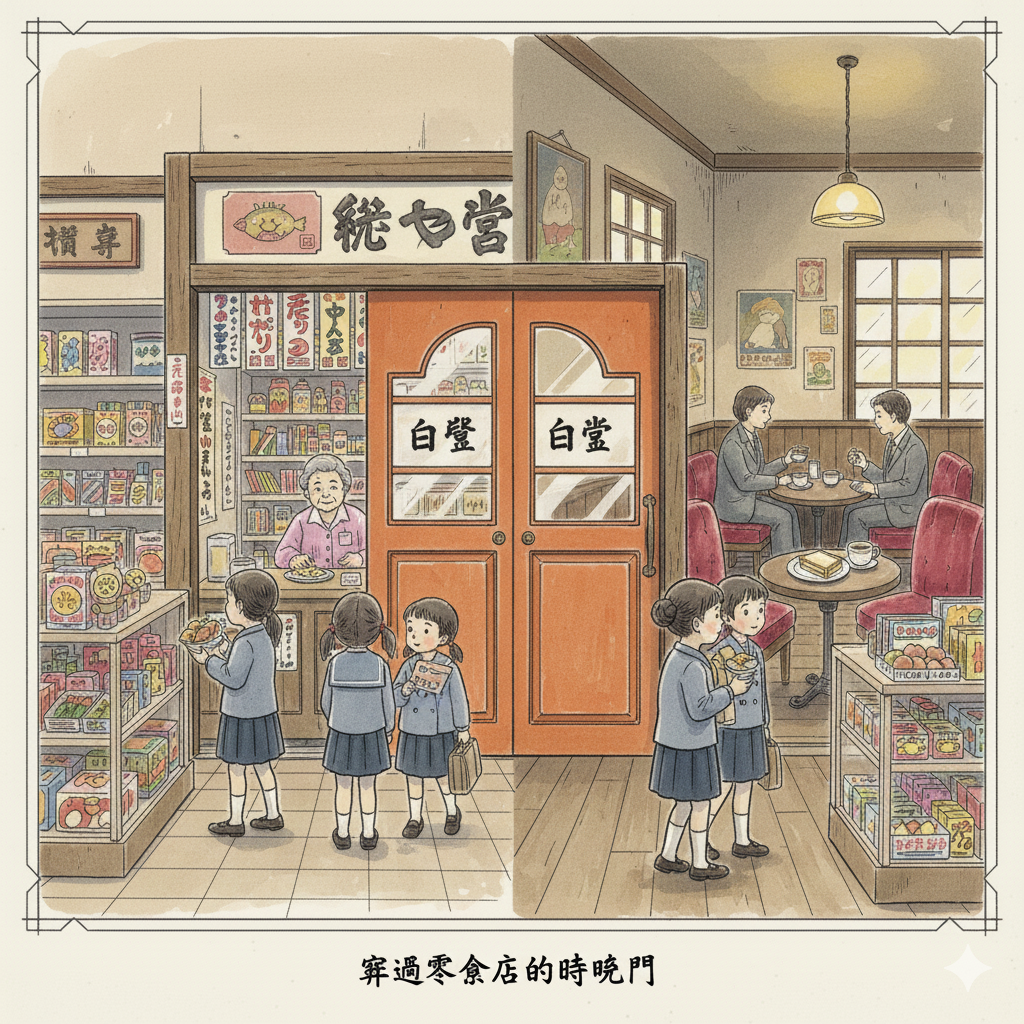
5. The Water God's Watch: A Shrine Born from an Ancient Struggle
Osaka's identity as a "water capital" has always been a double-edged sword. Built on a low-lying delta, its history is one of a constant battle against floods. For the residents of Jōtō-ku, who lived alongside the rivers, this struggle for survival against the forces of nature was a foundational element of their existence.
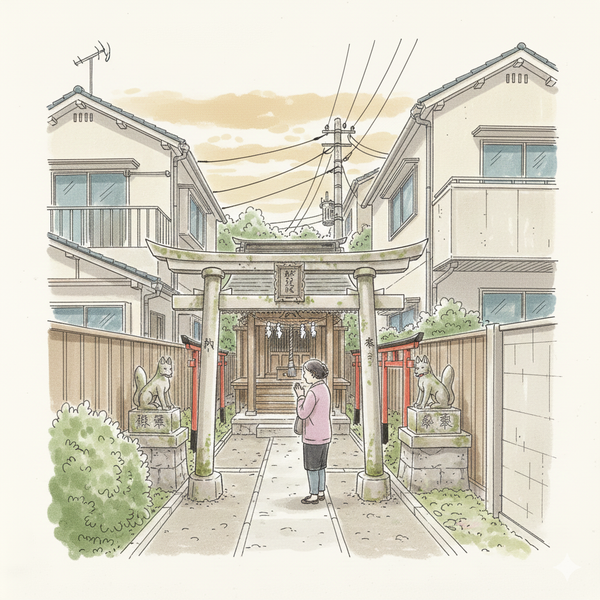
This ancient challenge is embodied in the quiet grounds of Noe Mizu Jinja (野江水神社). Founded in 1533, the shrine was established for the explicit purpose of praying for protection from water and fire disasters (suika jonan). It is not merely a religious site; it is a direct testament to the community's historical struggle against its environment, a monument to a collective plea for safety.
This long history of facing down environmental threats cultivated a deep-seated spirit of mutual support and disaster preparedness. It formed the historical basis for the ward's modern pursuit of a safe and tight-knit community, where the bonds between neighbors are the first and best line of defense.
Deep Dive: A Symbol of Enduring Faith
A visit to Noe Mizu Jinja (野江水神社) is more than a stop at a historical site; it is an opportunity to understand the foundational spirit of the community. Here, in the reverence for the water god, one can feel the centuries-old bond (kizuna) that was forged among residents who had to rely on one another to survive. It is a powerful symbol of the resilience that defines Jōtō-ku to this day.
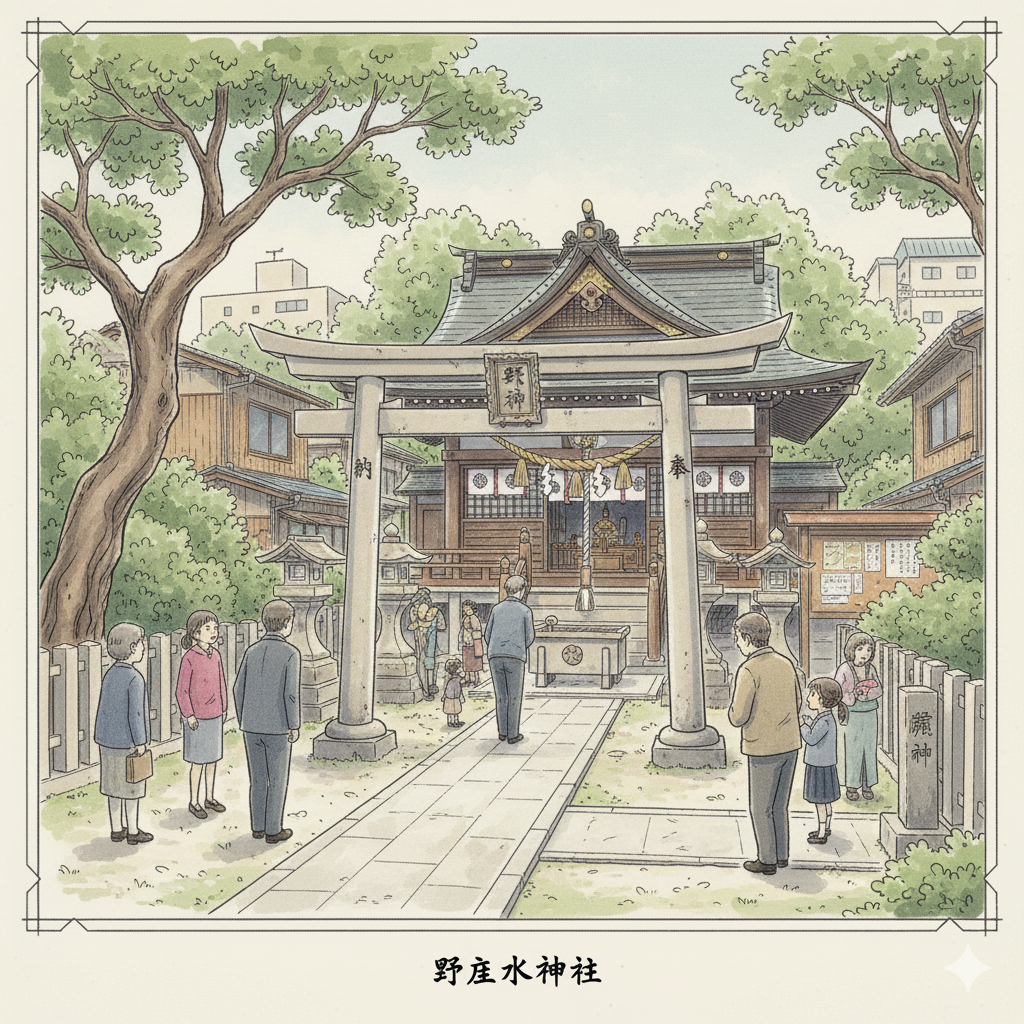
Finding Resilience in the Folds of Time
Together, these five stories paint a portrait of a community defined by resilience (韌性) and the power of its bonds (絆, kizuna). The true soul of Jōtō-ku is not found in grand landmarks, but is hidden in the folds of time—in the curve of a road, the marker on a riverbank, a quiet memorial, a repurposed storefront, and an ancient shrine. Its history is a continuous story of overcoming threats, whether from enemy armies, industrial dangers, wartime bombs, or the very water that gave the city life.
As we walk through our own cities, what profound stories of struggle and resilience might lie hidden just beneath the surface, waiting to be discovered?
Work Cited:
1. Jōtō-ku, Osaka - Wikipedia, accessed October 12, 2025, https://en.wikipedia.org/wiki/J%C5%8Dt%C5%8D-ku,_Osaka
2. Joto Ward Osaka: Fun For All Ages, accessed October 12, 2025, https://www.osaka.com/wards/joto/joto-ward-fun-for-all-ages/
3. 大阪市城東区の魅力とアクセスを徹底解説!住環境の全貌とは?, accessed October 12, 2025, https://www.kariru-f.com/blog/entry-575865/
4. 令和6年度 城東区運営方針(案) - 大阪市, accessed October 12, 2025, https://www.city.osaka.lg.jp/joto/page/0000618982.html
5. 由緒 - 関目神社, accessed October 12, 2025, https://sekimejinja.com/yuisho.html
6. 吉村区長の城東見聞録 「大阪大空襲」, accessed October 12, 2025, https://www.city.osaka.lg.jp/joto/page/0000658364.html
7. 七曲りの伝説が残るまちへ – 須佐之男尊神社で心ほどける散歩時間(関目神社)【大阪市・城東区】, accessed October 12, 2025, https://jinjya100.com/susanoonomikotojinja-jotoku/
8. 京街道の起点、高麗橋から北の方向へ進みます。大阪城を過ぎてしばらく行くと京橋駅に至ります。この辺りは車が多いので - 大阪府, accessed October 12, 2025, https://www.pref.osaka.lg.jp/documents/29351/ks02-03.pdf
9. 大阪市城東区の文化史跡・遺跡ランキングTOP1 - じゃらんnet, accessed October 12, 2025, https://www.jalan.net/kankou/cit_271180000/g2_30/
10. Bombing of Osaka - Wikipedia, accessed October 12, 2025, https://en.wikipedia.org/wiki/Bombing_of_Osaka
11. Bombing of Osaka - Operations & Codenames of WWII, accessed October 12, 2025, https://codenames.info/operation/bombing-of-osaka/
12. 平和ときずな - 大阪市, accessed October 12, 2025, https://www.city.osaka.lg.jp/miyakojima/cmsfiles/contents/0000312/312962/houkokusho_P1-9.pdf
13. Kyōbashi Station (Osaka) - Wikipedia, accessed October 12, 2025, https://en.wikipedia.org/wiki/Ky%C5%8Dbashi_Station_(Osaka)
14. 城東商店街とは, accessed October 12, 2025, https://joto-shotengai.com/about
15. トミヅル 蒲生四丁目店 クチコミ・アクセス・営業時間|鶴見・城東 - フォートラベル, accessed October 12, 2025, https://4travel.jp/dm_shisetsu/11738660
16. Exploring Retro Coffee Shops in Osaka: Hakusendo, Madura and Doremi, accessed October 12, 2025, https://www.osaka.com/eat/joto-ward-retro-kissaten-hakusendo/
17. Things to do in Joto Ward (2025) - Osaka - Trip.com, accessed October 12, 2025, https://www.trip.com/travel-guide/destination/joto-ward-2016487/
18. Osaka - Wikipedia, accessed October 12, 2025, https://en.wikipedia.org/wiki/Osaka